

Identification
Main Author: William Shakespeare, 1564-1616
Title: The tragedy of King Richard II, printed for the third time by Valentine Simmes in 1598 ; reproduced in facsimile from the unique copy in the library of William Augustus White ; with an introduction by Alfred W. Pollard.
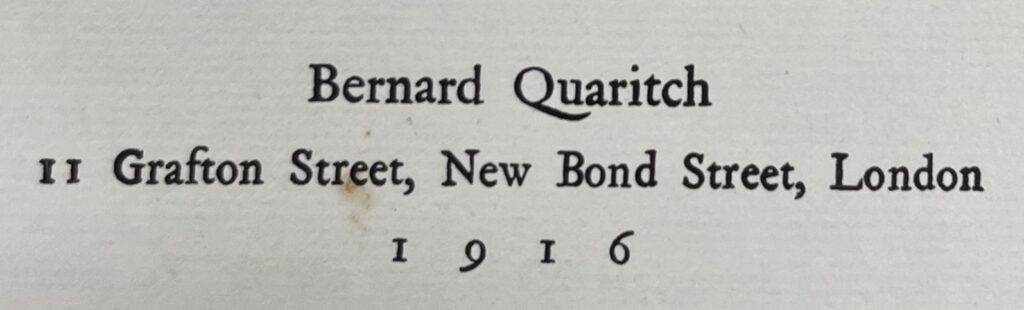
Publisher: Bernard Quaritch
Place of Publication: 11 Grafton Street, New Bond Street, London
Year of Publication: 1916
MSU Call Number: PR2750 .B20 1916
Intellectual Context
This volume is a photographic facsimile of the 1598 Third Quarto of King Richard II. In the early 20th century, scholars such as Alfred W. Pollard and John Dover Wilson were a part of the New Bibliography movement. They meticulously found printing errors to reverse-engineer the printing process of early modern texts and theorized that early Quartos such as this edition held the key to Shakespeare’s original manuscripts. This specific facsimile was used by Wilson to develop the New Cambridge Shakespeare, a classic edition of Shakespeares plays.
Physical Description of Book
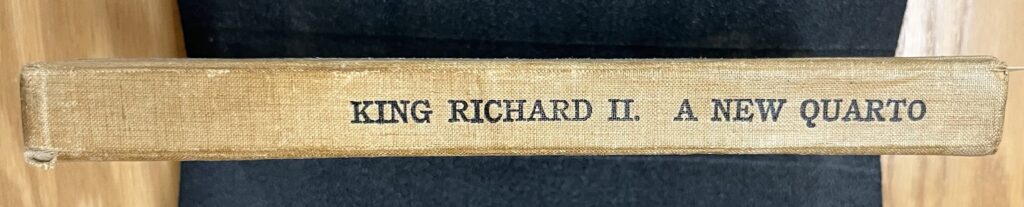
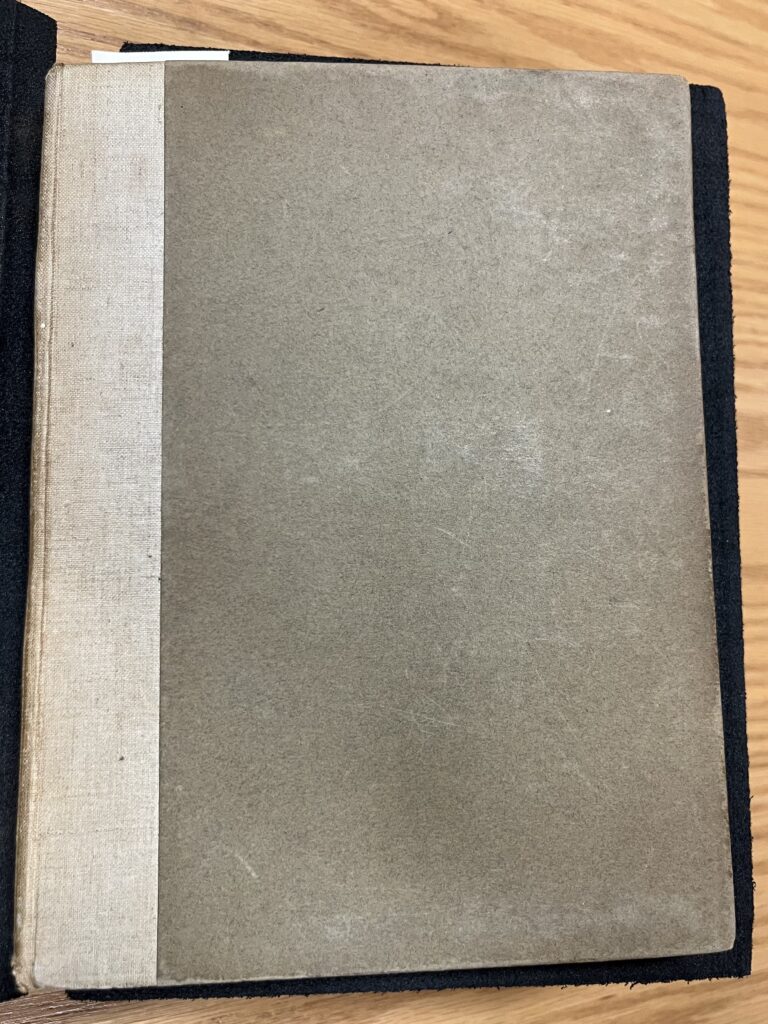
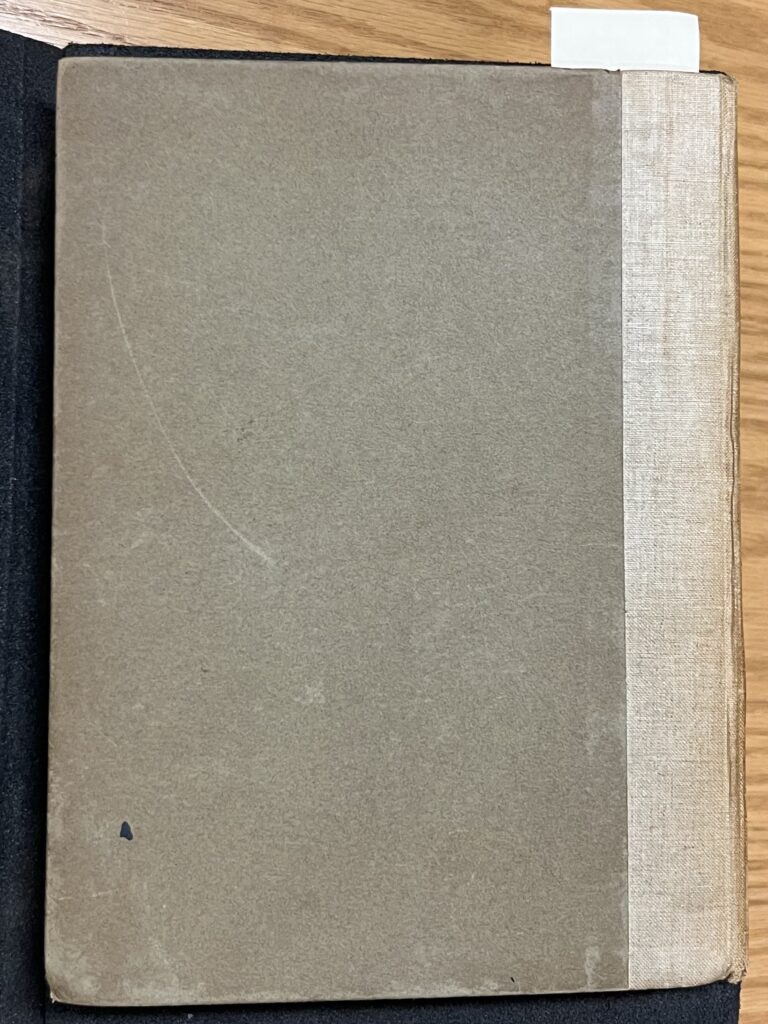
This copy has a quarter-linen binding with visible wear along the joints and head cap. The spine is darkened from age and frequent handling.
Provenance Evidence
The following provenance discussion begins by examining the history of the 1598 Quarto as it appears in the facsimile. Then, the 1916 volume’s journey will be followed from Oxford University Press to MSU Special Collections.
Deciphering the 1598 Title Page
Valentine Simmes (c. 1561 – 1623)
The original pages reproduced in this facsimile were printed by Valentine Simmes in 1598.
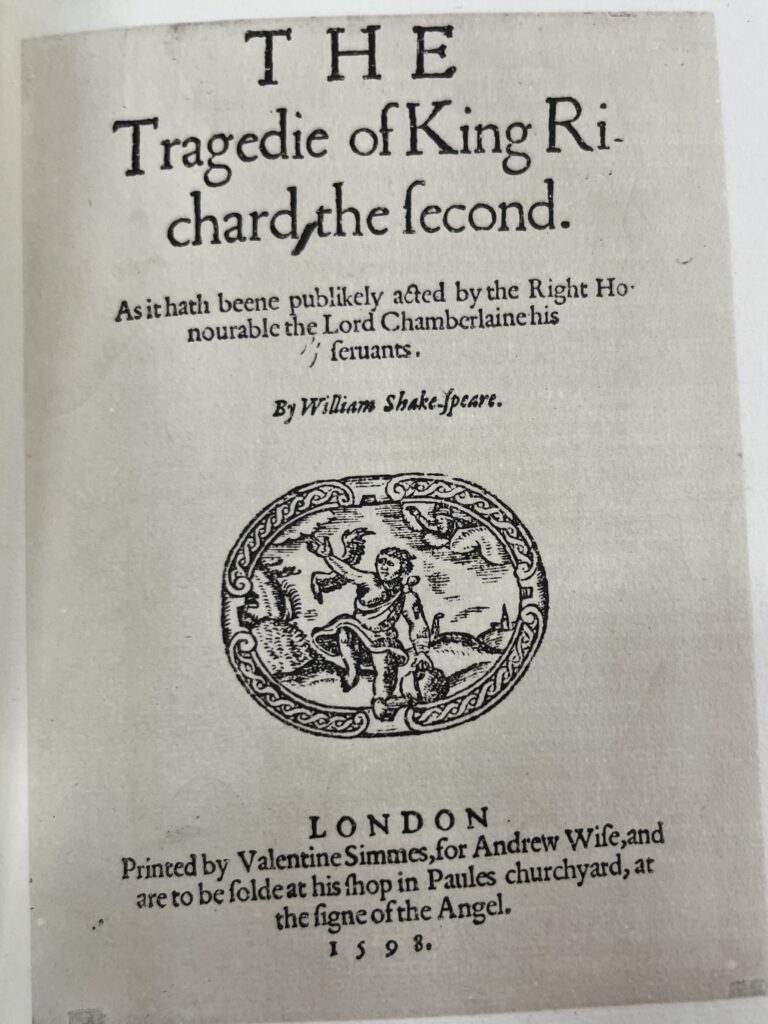
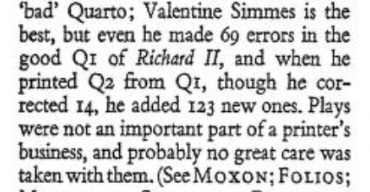
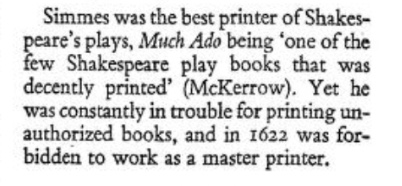
As cited in F.E. Halliday’s 1964 A Shakespeare Companion, bibliographer W.W. Greg (1875–1959) noted that while Simmons was one of the better printers of his generation, he allowed 178 errors in this printing of King Richard II. Simmes did not take to following printing laws and thus was barred from trade 1622.
Andrew Wise (c. 1564–1566)
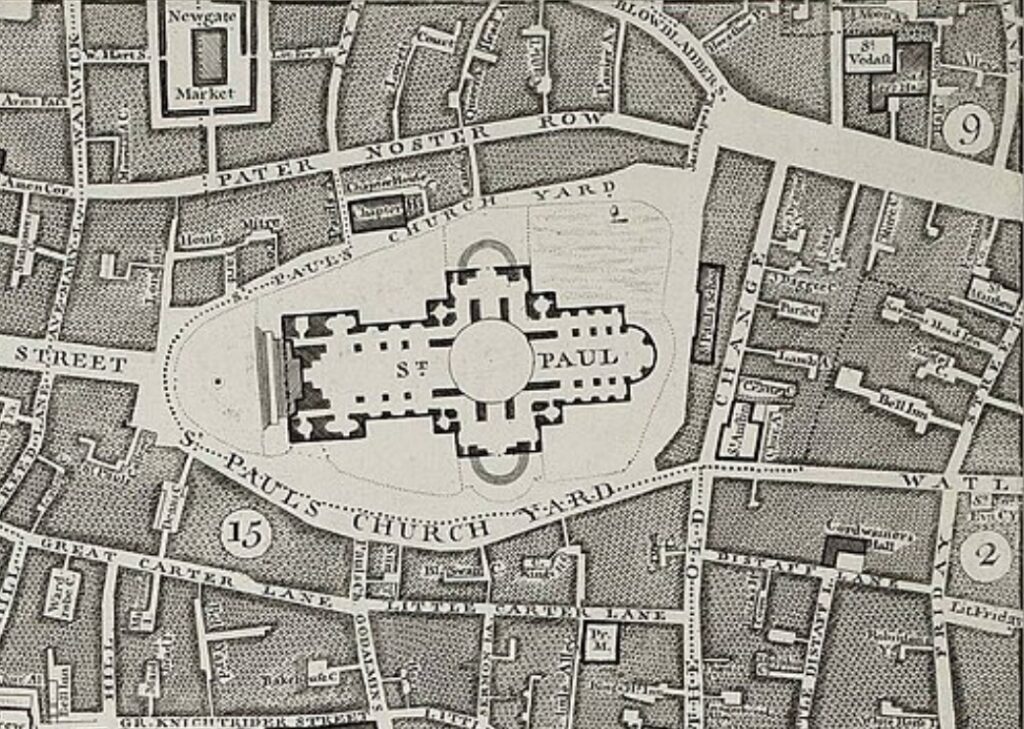
Wise ran his own business in London from roughly 1593-1603. His shop was at the sign of the Angel in St Paul’s Churchyard which was in the center of London’s book trade. According to Sonia Massai, “No other London stationer invested in Shakespeare as assiduously as Wise did, at least while Shakespeare was still alive.”
Shakespeare and his Servants
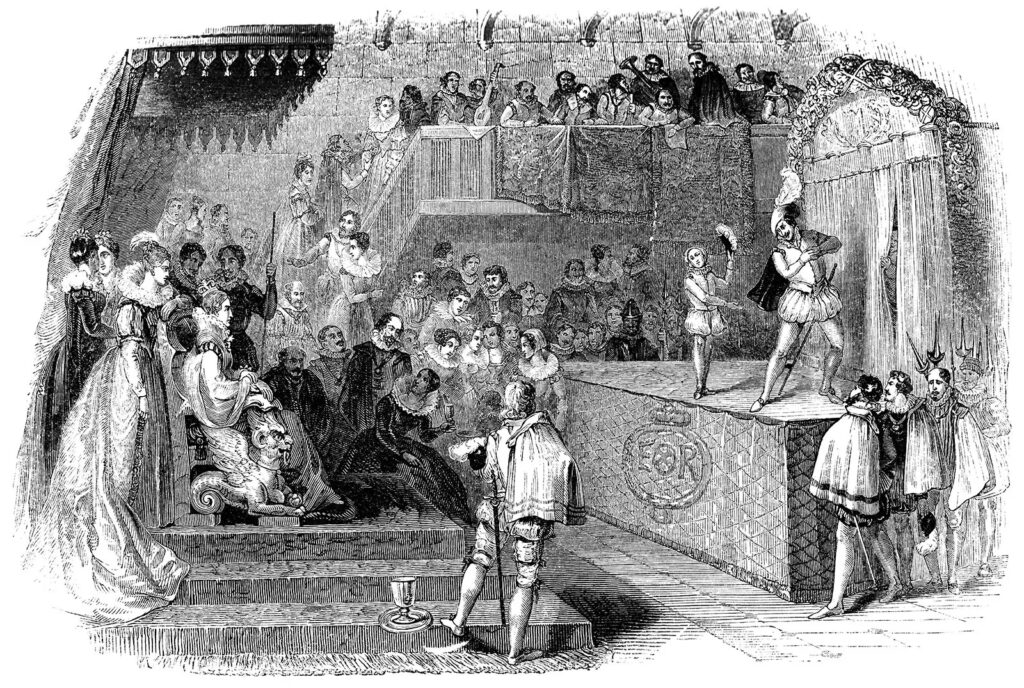
The Lord Chamberlain’s Servants was Shakespeare’s own acting troupe. Notably, 1598 was one of the first years Shakespeare’s name appeared on his title pages.

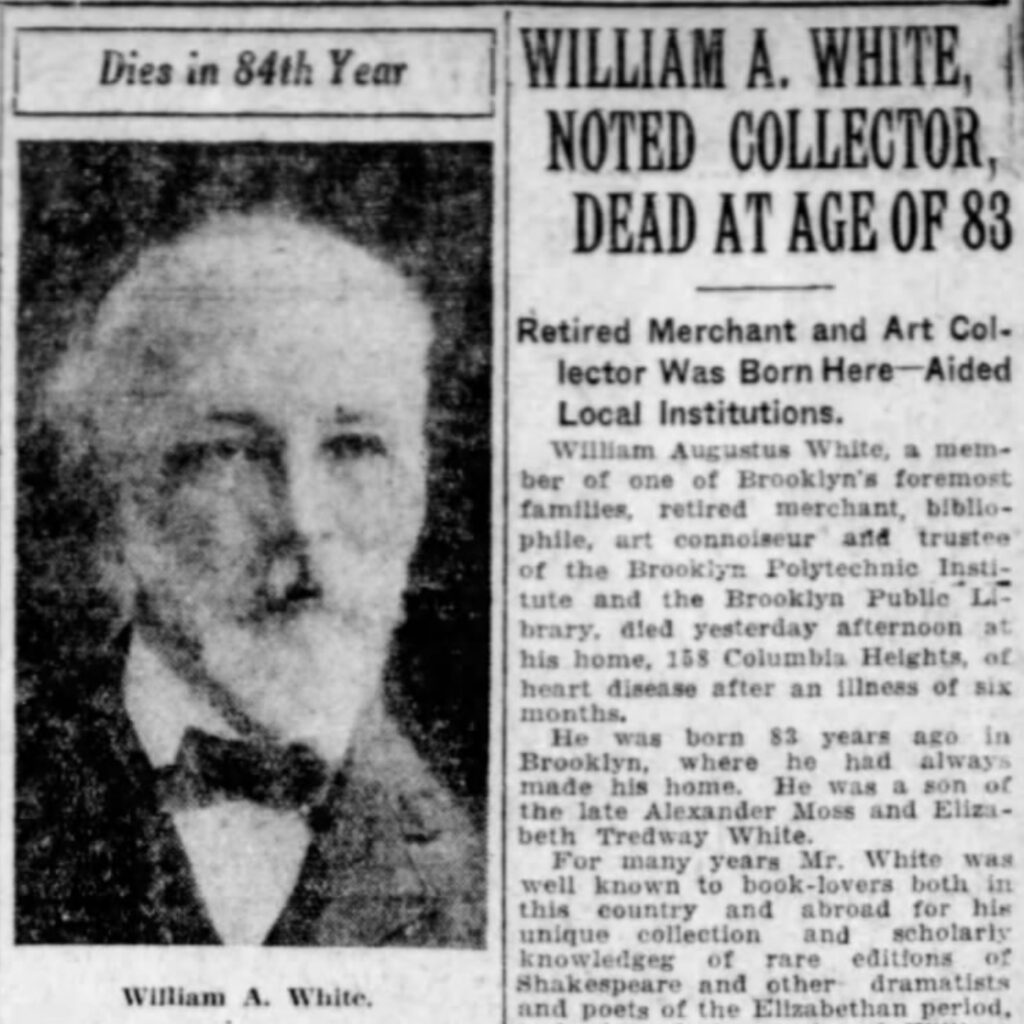
William Augustus White (1843- 1927)
According to the supplementary archival materials , this 1916 facsimile was reproduced from a copy in the library of William Augustus White.
White was a Harvard-educated merchant and leading citizen of Brooklyn. He was a trustee of the Brooklyn Public Library and a world-renowned authority on rare books. He appreciated rare additions of Shakespearean literature and thus, acquired the original 1598 Quarto in 1890.
Frederick Hall (1864 – 1925)
This 1916 copy of King Richard II was printed at Oxford University Press during the height of the Great War. After the previous printer committed suicide, Frederick Hall took over as Controller.

In an obituary for Hall, Alfred Pollard, who wrote the introduction, gave an account of working with Hall on this reproduction of King Richard II.
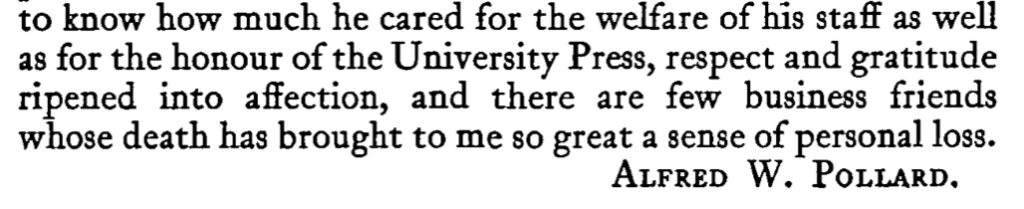
Despite the conscription of half of the workforce and several wartime shortages, Hall produced this limited run of 250 copies.
Bernard Quaritch Ltd.
While this 1916 volume was printed in Oxford, it was published and distributed by Bernard Quaritch Ltd., one of the most famous names in the history of the rare book trade. This volume is a late addition to the Shakespeare Quarto Facsimiles series originally published between 1880 and 1891. While the initial series of 43 volumes provided affordable access to the Quartos, this 1916 edition was commissioned as a limited, high-quality run of only 250 copies to document the unique 1598 variant discovered in the W.A. White library.
The production of this 1916 facsimile occurred directly after the early death of the founder’s son, Bernard Alfred. In 1913, the business was maintained by his two sisters and managed by E. H. Dring.
Alfred W. Pollard (1859 – 1944)
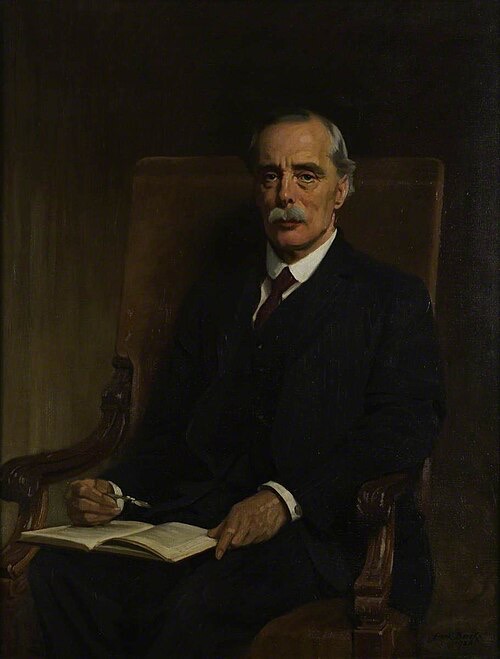
As mentioned previously, Alfred Pollard wrote the introduction to this copy of King Richard II. Pollard a leading Shakespearean scholar of his generation and was educated at King’s College, University of London, and St. John’s College, University of Oxford. A pioneer of the New Bibliography movement, Pollard sought to see through the printed page to Shakespeare’s original plays by meticulously examining printing errors.

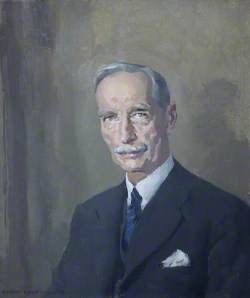
On the Recto of the Front Flyleaf, the primary presentation inscription may be found. Pollard signed his name and bestowed it upon John Dover Wilson in 1916.
John Dover Wilson (1881 – 1969)
Pollard, a mentor to the younger Wilson, inscribed this copy to him in 1916 as a presentation copy. John Dover Wilson was a Shakespearean scholar and taught at King’s College London and the University of Edinburgh. He made important if controversial contributions to Shakespearean scholarship by original interpretations of plays and elucidation of textual obscurities. Wilson was primarily known for being the chief editor of the New Shakespeare editions of the plays published by Cambridge University Press and his book, What Happens in Hamlet.

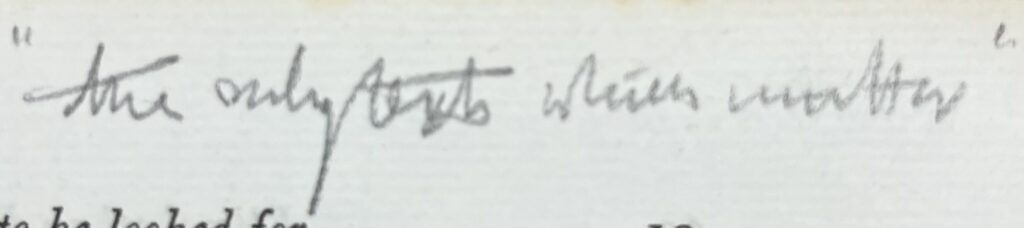
There are extensive notes of Wilson’s located throughout this codex of King Richard II.
For example, on page 19 Wilson writes a sentence found in the text at the top of the recto, “the only texts which matter.” Given the context of the passage, it seems as if Wilson penned the note in order to later criticize a previous scholar’s point.
The majority of the inscriptions of Wilson, however, are in relation to checking errors in the text.
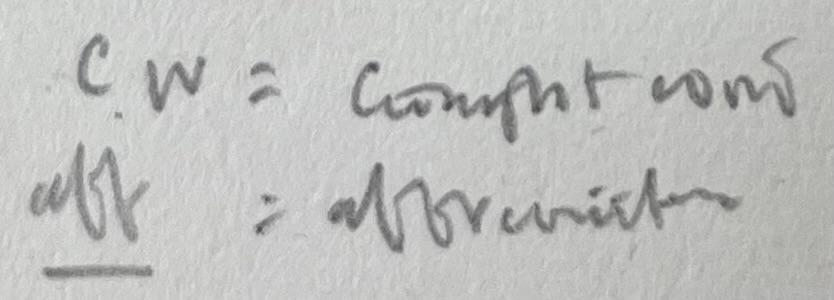
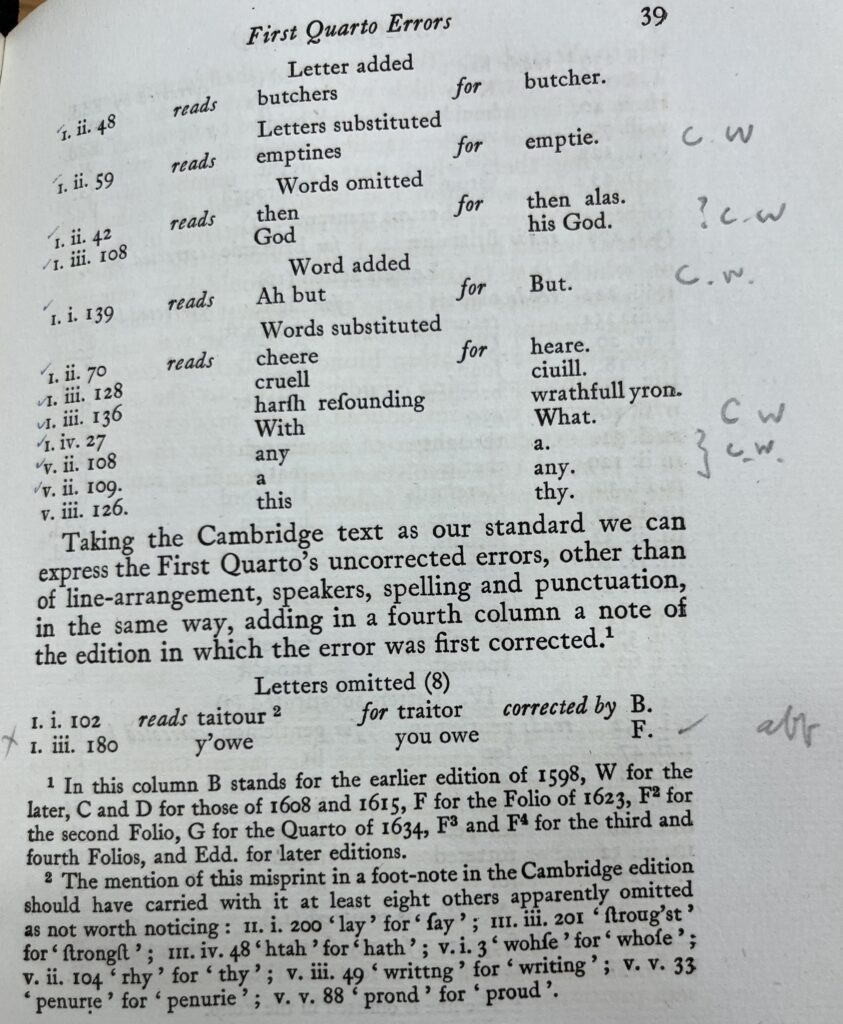
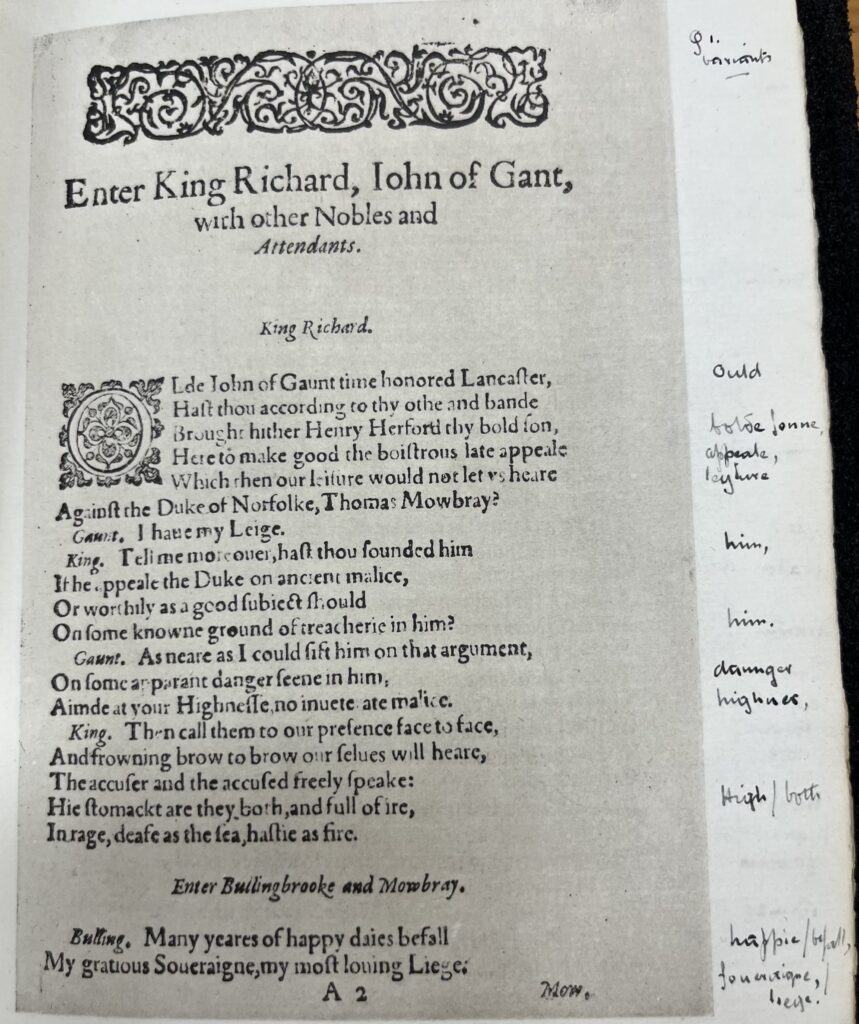
Based on the note, “Q1 variants” at the top of page A2 of the facsimile, it appears that as Wilson looks at the 1598 facsimile text, he is writing down the different spellings or words found in the 1597 First Quarto.
It may be the case that the letters C.W. refer to the 1863 Cambridge Works edition of King Richard II. It could be that on Recto 39 Wilson is checking to see if the Cambridge Works recognized these Elizabethan printing mistakes or if they accidentally kept them in the play.
Overall, Wilson kept this copy from 1916–1969. The extensive pencil marginalia represent his active work in creating the text for the New Cambridge Shakespeare.
James Thin Ltd.
John Dover Wilson died in 1969, just outside Edinburgh. His estate was then handled by James Thin Ltd., a natural choice due to it being the official bookseller to the University of Edinburgh.
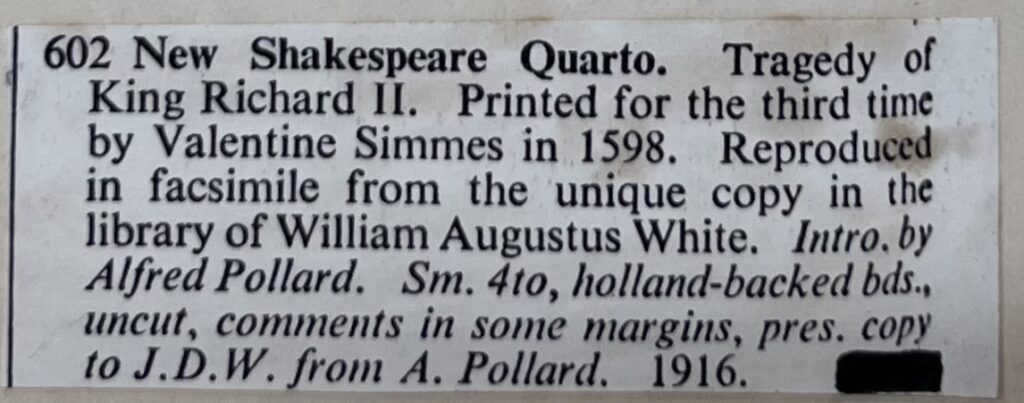
This may be deduced from the type located in the supplementary archival materials.

Wayne H. Phelps (1938 – 2023)
King Richard II was then purchased from Thin’s catalogue by Wayne H. Phelps in November, 1969. Phelps cherished Shakespeare from a young age and went on to later do his doctoral studies at the University of Pennsylvania. Records from other MSU Special Collections acquisitions, such as Studies in Literature by Sir Arthur Quiller-Couch, show that Wayne Phelps was actively buying from high-end British catalogues between 1969 and 1972. He included the 1969 James Thin Ltd. catalogue clipping he bought the book from, where he obscured the price he paid. Instead, he left the note, “£Er.lE” which is likely his own private price code.
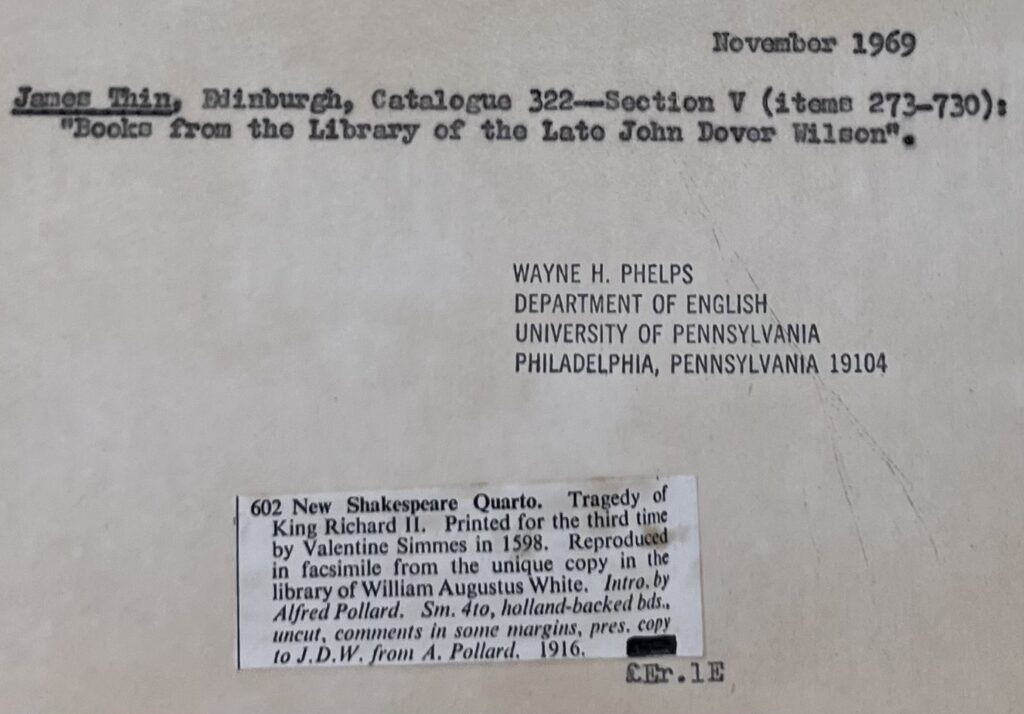

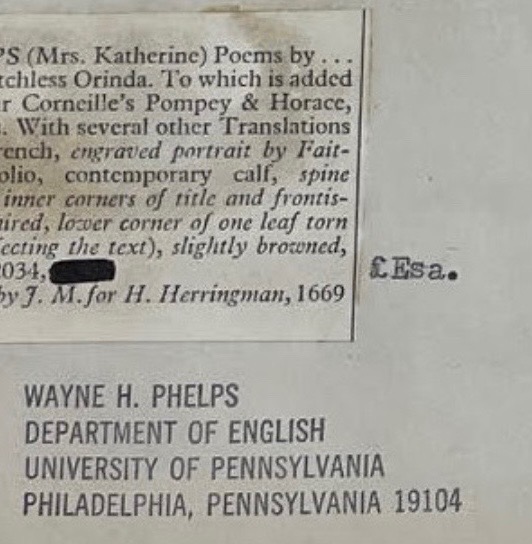
Interestingly, a price code purchased by Phelps in 1970 found in the papers of the book, Poems by Mrs. Katherine Phillips does not have any notation after the dot. Due to this fact, it seems possible that the .lE on the paper found in King Richard II may be a bibliographic shorthand for, “limited Edition.”
MSU bought King Richard II from Phelps’ estate on August 30th, 2024.
Timeline
1598: Valentine Simmes prints the Third Quarto (Q3) of Richard II in London for Andrew Wise.
1622: Simmes’s printing career ends after repeated legal troubles with the Stationers’ Company.
1890: Collector William Augustus White acquires an original 1598 Quarto.
1916: During WWI, Frederick Hall (Oxford University Press) prints a limited run of 250 photographic facsimiles for publisher Bernard Quaritch.
1916: Alfred W. Pollard (who wrote the introduction) formally gifts this specific copy to his protégé, John Dover Wilson. Wilson uses this book to develop the New Cambridge Shakespeare.
1969: John Dover Wilson passes away in Edinburgh. His library is processed by the university’s official bookseller, James Thin Ltd.
November 1969: Bibliographer Wayne H. Phelps purchases the book from the James Thin catalogue.
August, 2024: Following the settlement of the Phelps estate, Michigan State University Libraries (MiEM) officially acquires the volume.
Today: The book resides in MSU Special Collections as a resource for all who wish to follow what W.W. Greg pointedly called John Dover Wilson’s, “careerings of a not too captive balloon in a high wind.”
Bibliography
Arber, Edward, ed. A Transcript of the Registers of the Company of Stationers of London, 1554–1640 AD. 5 vols. London: Privately Printed, 1875–1894. Accessed via Internet Archive.
Bernard Quaritch Ltd. “Our History: The Greatest Bookseller Who Ever Lived.” Accessed March 28, 2026. https://www.quaritch.com/about/our-history/.
Blayney, Peter W. M. “The New Bibliography.” In Shakespeare in Print: A History and Chronology of Shakespeare’s Publishing, 2nd ed., 291–312. Cambridge: Cambridge University Press, 2021. https://www.cambridge.org/core/books/abs/shakespeare-in-print/new-bibliography/5492A4C5E857D0FA9002DF012277ADF5.
Carlone, Dominic. “Bookselling at Paul’s Churchyard.” The Map of Early Modern London. University of Victoria, 2016. https://mapoflondon.uvic.ca/BOOK1.htm.
Donaldson-Seymour Funeral Home. “Obituary for Wayne Howe Phelps, PhD (1938–2023).” Accessed March 28, 2026. https://www.donaldsonfh.com/obituaries/Wayne-Howe-Phelps?obId=27158471.
Folger Shakespeare Library. “Richard II, Third Edition (1598).” Shakespeare Documented. Accessed March 28, 2026. https://shakespearedocumented.folger.edu/resource/document/richard-ii-third-edition.
Greg, W. W. The Editorial Problem in Shakespeare: A Survey of the Foundations of the Text. Oxford: Clarendon Press, 1942.
Halliday, F. E. A Shakespeare Companion 1564–1964. Revised edition. Baltimore: Penguin Books, 1964. https://archive.org/details/in.ernet.dli.2015.204614/page/n453/mode/2up.
LEADR (Laboratory for Instructional and Digital Research). “Poems by the most deservedly admired Mrs Katherine Philips, the Matchless Orinda.” MSU Provenance Project, 2025. https://provenance2.leadr.site/2025-projects/poems-by-the-most-deservedly-admired-mrs-katherine-philips-the-matchless-orinda/.
McKerrow, Ronald B. A Dictionary of Printers and Booksellers in England, Scotland and Ireland, and of Foreign Printers of English Books 1557–1640. London: Bibliographical Society, 1910. Accessed via Internet Archive April 4, 2026. https://archive.org/details/b28987007
MSU Libraries. “Catalog Record: The Tragedy of King Richard II (PR2750 .B20 1916).” Accessed March 28, 2026. https://catalog.lib.msu.edu/Record/folio.in00006878231.
Oxford University Press. “Oxford University Press during World War I.” OUPblog, April 2014. https://blog.oup.com/2014/04/oxford-university-press-during-world-war-i/.
Pollard, Alfred W. “Frederick Hall.” The Library, 4th ser., vol. 6, no. 3 (December 1925): 282–84. https://doi.org/10.1093/library/s4-VI.3.282.
Ritchie, J.S. “Obituary: Ainslie Thin, Bookseller Who Devoted His Life to James Thin Ltd.” The Scotsman, March 6, 2023. https://www.scotsman.com/news/people/obituaries-ainslie-thin-bookseller-who-devoted-his-life-to-james-thin-ltd-4063150.
University of Cambridge. “A Cambridge Alumni Database: Wilson, John Dover (WL900JD).” Accessed March 28, 2026. https://venn.lib.cam.ac.uk/cgi-bin/search-2018.pl?sur=&suro=w&fir=&firo=c&cit=&cito=c&c=all&z=all&tex=WL900JD&sye=&eye=&col=all&maxcount=50.
Watkins, J. “The James Thin Archive: 150 Years of Bookselling.” Inks: The Journal of the Comics Grid 8, no. 1 (2024): 215–18. https://www.euppublishing.com/doi/full/10.3366/ink.2024.0215.
Compiled by Caleb Ward in Spring 2026 for Professor Brockey’s HST 475 class at Michigan State Universitiy.
Special thanks to Tad Boehmer, Amelia Konda-Harper, and MSU Special Collections.
