Max Rehn
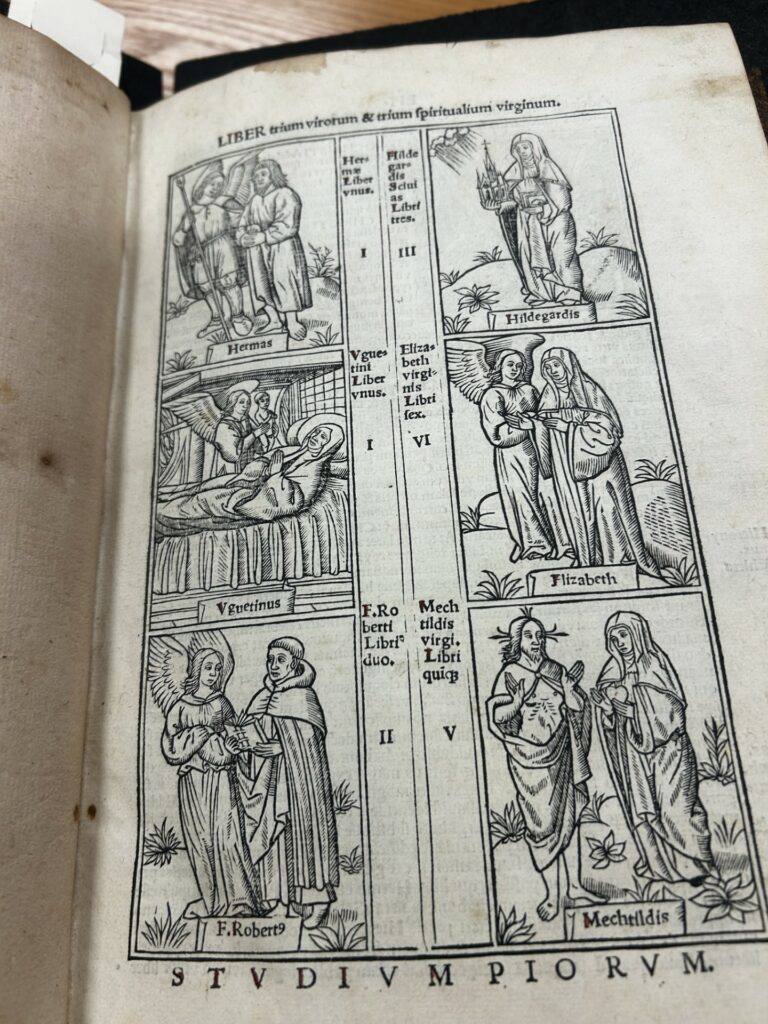
This book was originally printed in 1513 in Paris by Henri Estienne, one of the most famous French printers at the time, and was edited by Jacques Lefèvre d’Étaples, who was a theologian and Christian humanist. The book talks about a much older event from the 12th century, which was the 26 religious visions of a German nun, Hildegard.
Dionisius Selckaerts
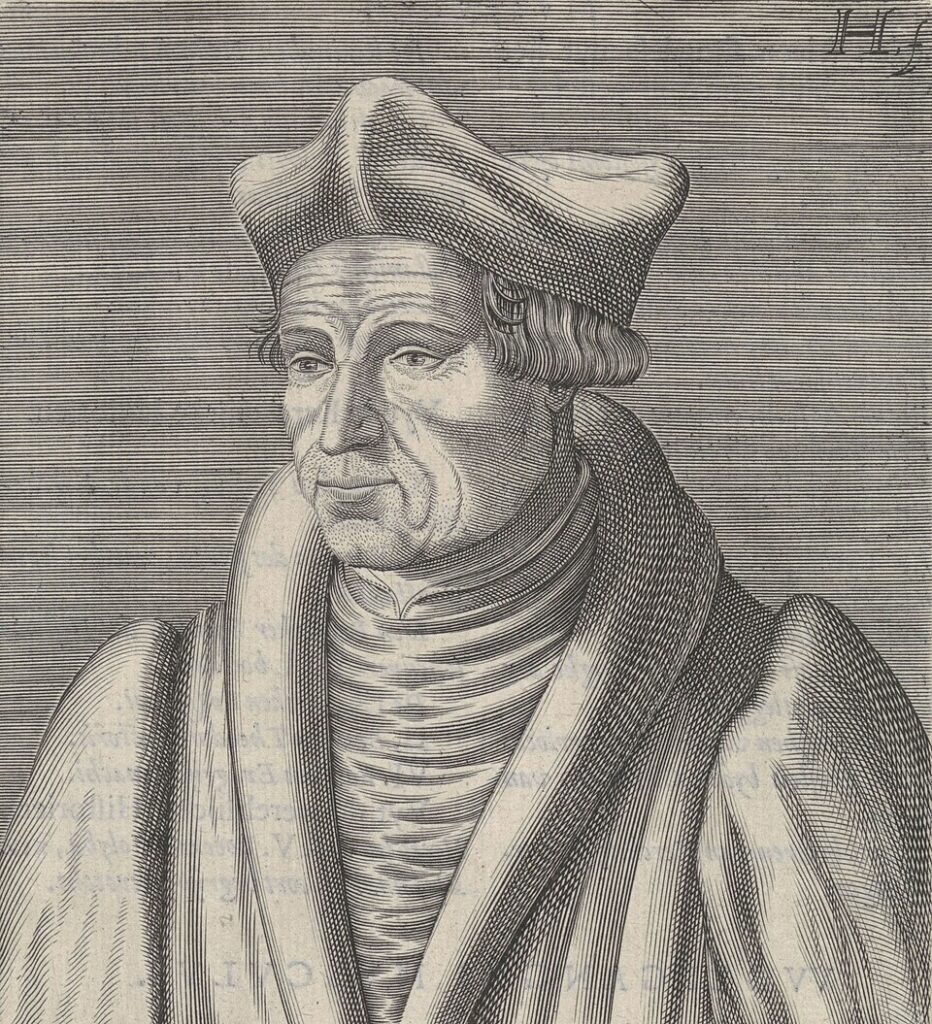
Despite there being annotations in this book likely from the 16th century, the earliest piece of provenance is from 1700 by an individual named Dionisius Selckaerts. Since this book is of French origin and the linguistic origin of his last name is Dutch, it can be inferred that Selckaerts acquired it while France occupied Flanders under Louis XIV. There is almost no information online about who Dionisius Selckaerts was, other than his name coming up on a French-language Belgian ancestry website that required a paywall to access. The one piece of information that was accessible was the year 1683, which can be assumed he was either born or married in this year.
Although, Peter Selchaerts, who could have likely been his relative was mentioned in a document titled “Inventory of the archives of the Council of Brabant proceedings of the cities (except Brussels)” It is stated that, “Peter Selckaerts, resident of Deist, supplicant, c. the alderman of Diest, scribes; modalities of the lease of the ‘knaapschap’ (Boyship) of the city 1694-1695″. This narrows down that Dionisious Selckaerts most likely lived in Deist in the Dutchy of Brabant.
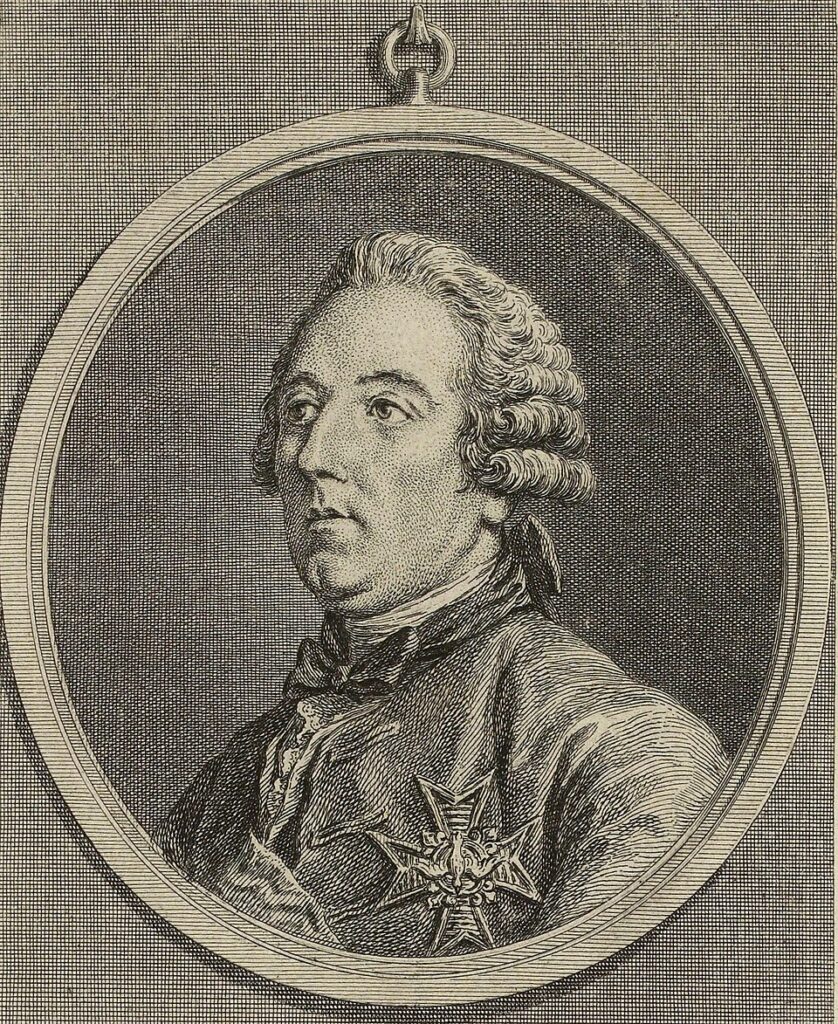
Louis César de La Baume Le Blanc
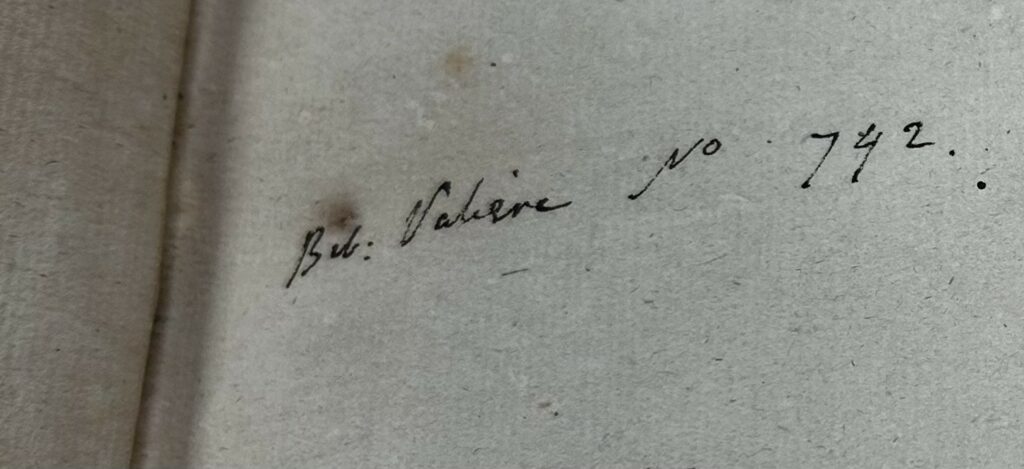
Le Blanc was a French aristocrat and bibliophile who lived from 1708 to 1780. He had many family members who were close confidants to the King of France and he was the Grand Falconer of France, along with being the colonel of the regiment under the title Duc de La Vallière. He also had one of the greatest book collections of his time. This book was one of many in his collection, and it is likely he did not read it all the way through. This book in particular says he bought it in action. Most of his collection was sold off by 1783, which is around the time when the next owner acquired the book.
Michael Wodhull
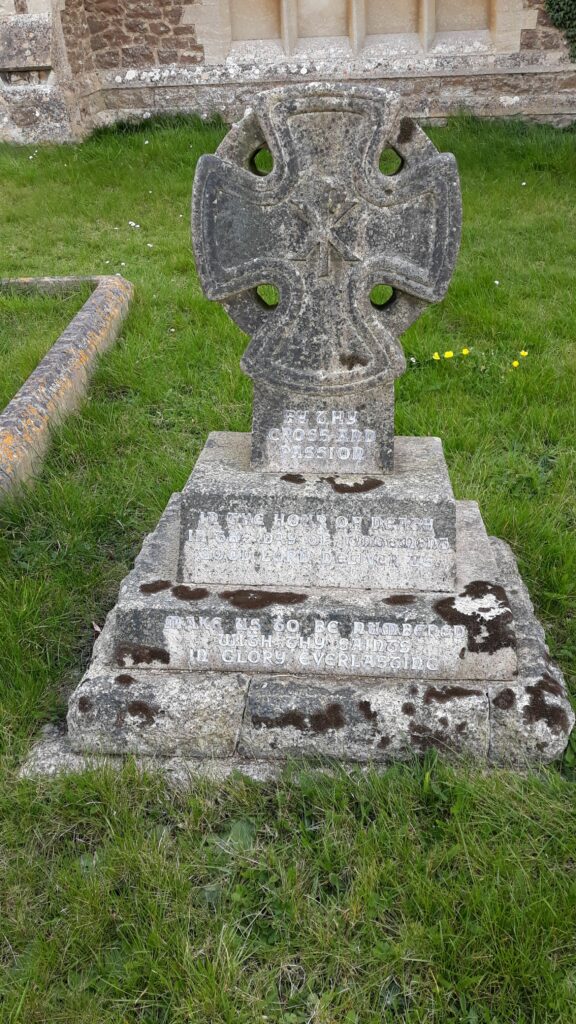
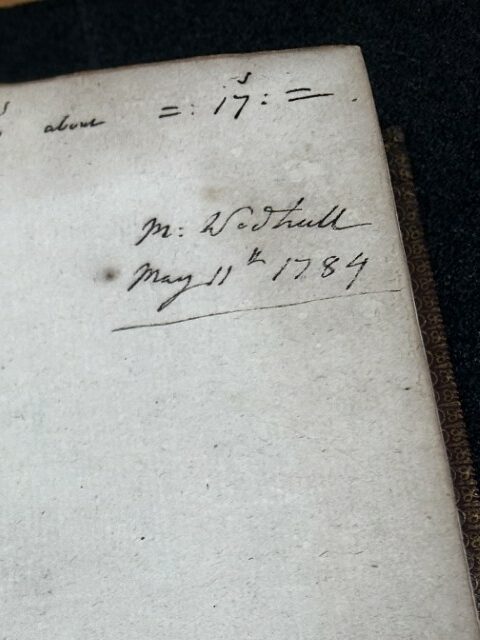
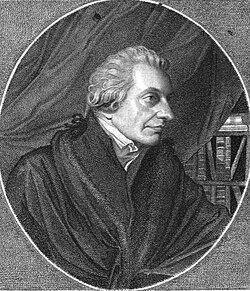
Woodhull was an English aristocrat who lived in Northamptonshire. He was an Enlightenment thinker and poet, who lived from 1740 to 1816. He bought this book on May 11th, 1784, when he visited the libraries of Paris. He was the sheriff of Northamptomshire and was briefly a prisoner in France under the rule of Napoleon. He was a supporter of religious liberty and supporter of the Whig party and had many other books on religion. He was buried in an altar tomb in Thenford, his estate.
Cuthbert Turner
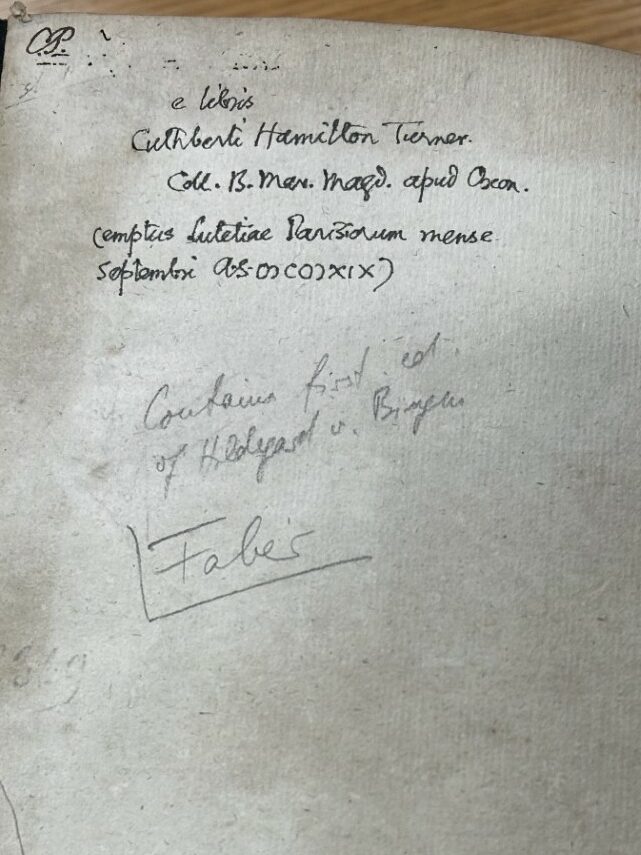
Turner was a biblical scholar and theologian at Oxford, who lived from 1860 to 1930. Originally from London, educated at the Winchester School and New Collage Oxford. He acquired this book in 1899, and based on his profession, he most likely used this book as a reference. He was buried at Spring Road Cemetery in Oxfordshire, England.