
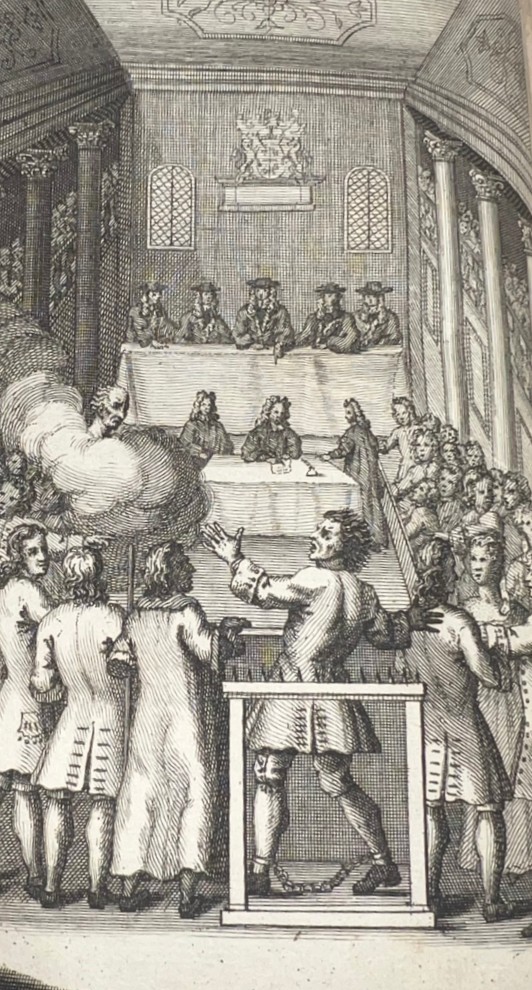
Identification
Author: Daniel Defoe, 1661-1731
Title: An Essay on The History and Reality of Apparitions. / Being An Account of what they are, and what they are not ; whence they come, and whence they come not. As Also How we may distinguish between the Apparitions of Good and Evil Spirits, and how we ought to Behave to them. / With A great Variety of Surprising and Diverting Examples, Never Published Before.
Publisher: James Roberts
Place of Publication: London
Year of Publication: 1727
MSU Call Number: XX PR3404 .E64
Author & Contents
Daniel Defoe’s 1727 book, An Essay on the History and Reality of Apparitions, provides a nuanced exploration of supernatural events during a period where both rationalism and belief in the supernatural went hand in hand. Defoe rejects common concepts such as ghosts and wandering souls, instead suggesting these apparitions to be manifestations of angels and devils.
Defoe(1660-1731) was an English writer who was most famous for his novel Robinson Crusoe in 1719. As a wildcard writer desperate for cash, he wrote over 300 different books, journals, and pamphlets that covered a wide range of topics from politics to the supernatural. An influential figure, ‘he was almost the only public man who belonged to no party and wrote for no interest other than the truth.’ His work often being paid attention to by intellectuals and political leaders alike.

As a guide and explanation of the supernatural unknown, this book as a literary creation serves alternative insight on a topic that is still popular today. This books suggests answers to questions modern readers might have using older ideals and beliefs.
Physical Description
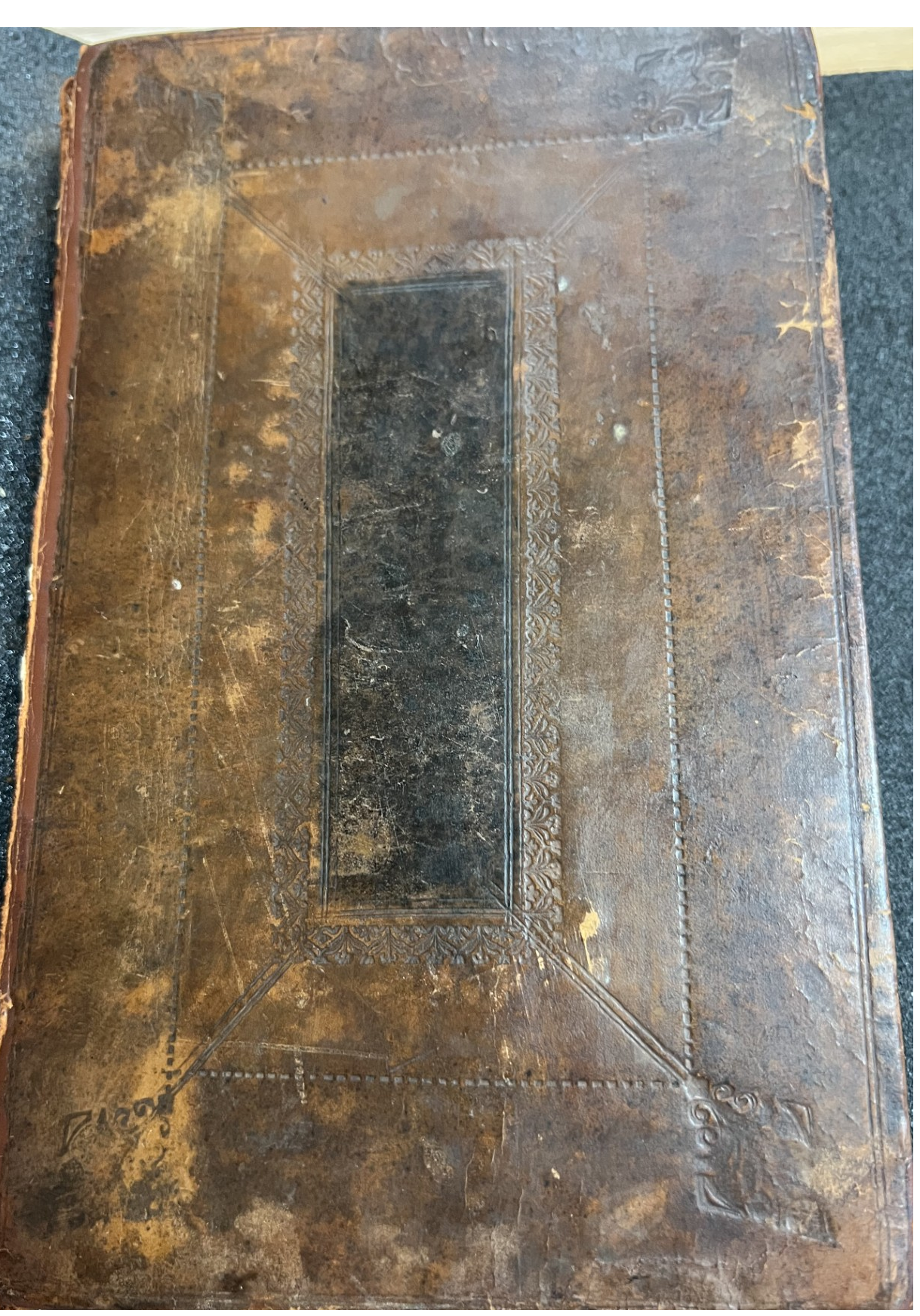
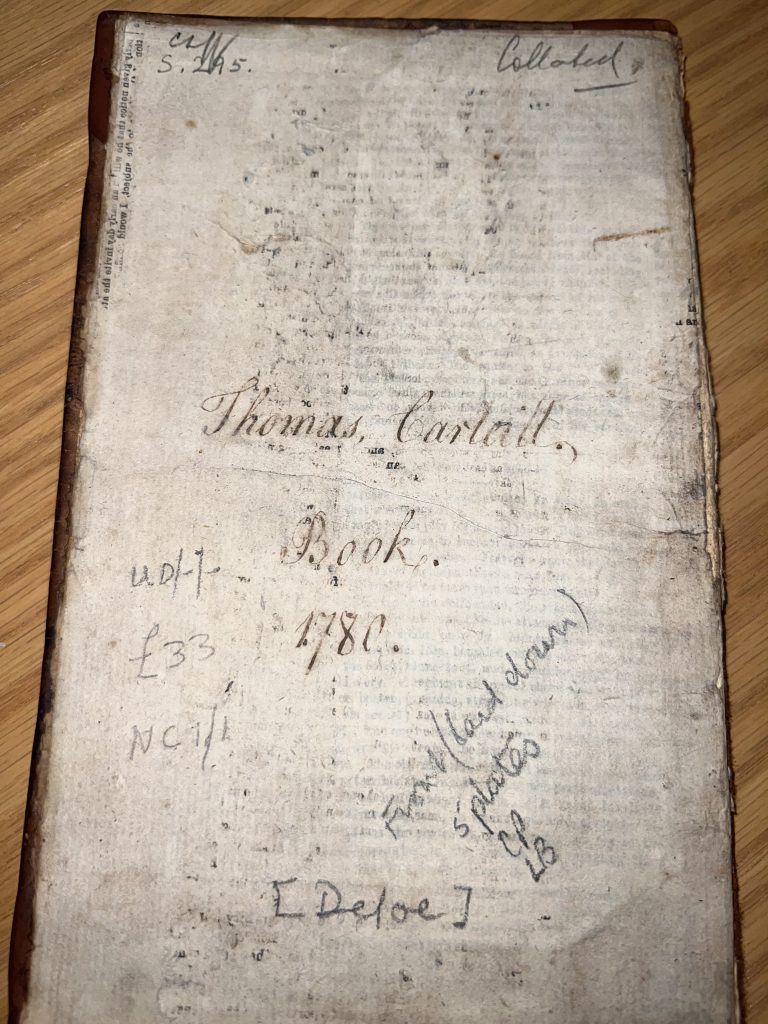
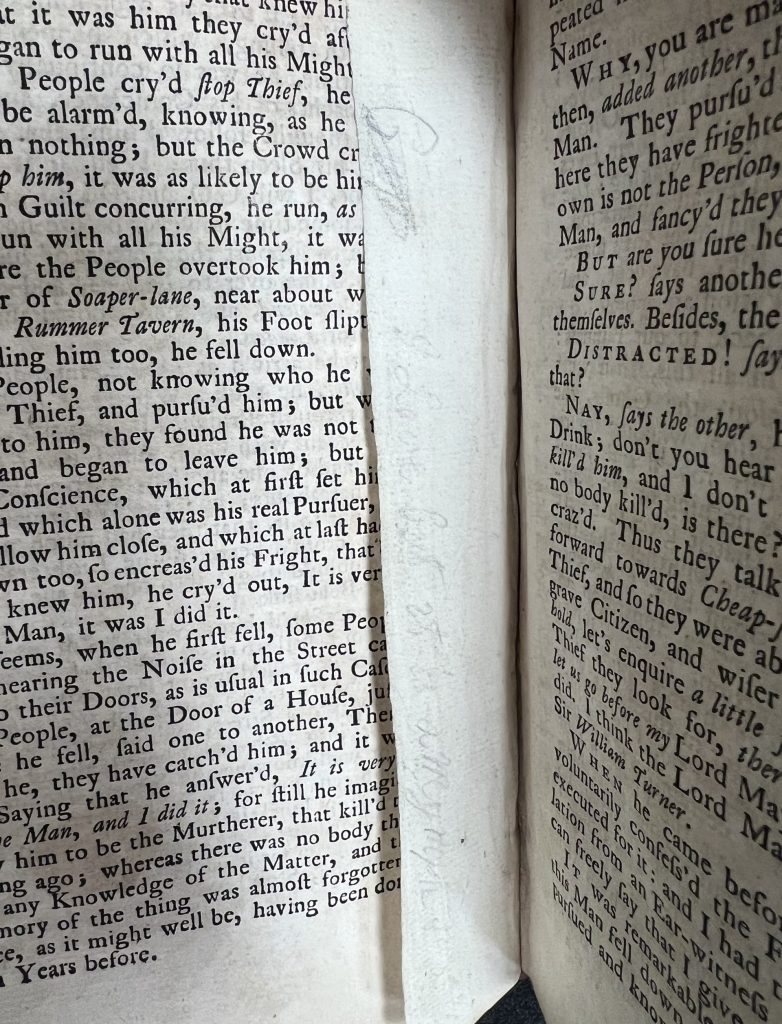
This copy of An Essay on the History and Reality of Apparitions dates back to 1727, making it nearly 300 years old. The condition of the book reveals its age. The front is leather bound with blind tooling. However, it has been completely detached from the book. The front paste-down reveals that this book has been rebound at some point prior to 1780, with newspaper print being visible in the center and top left.
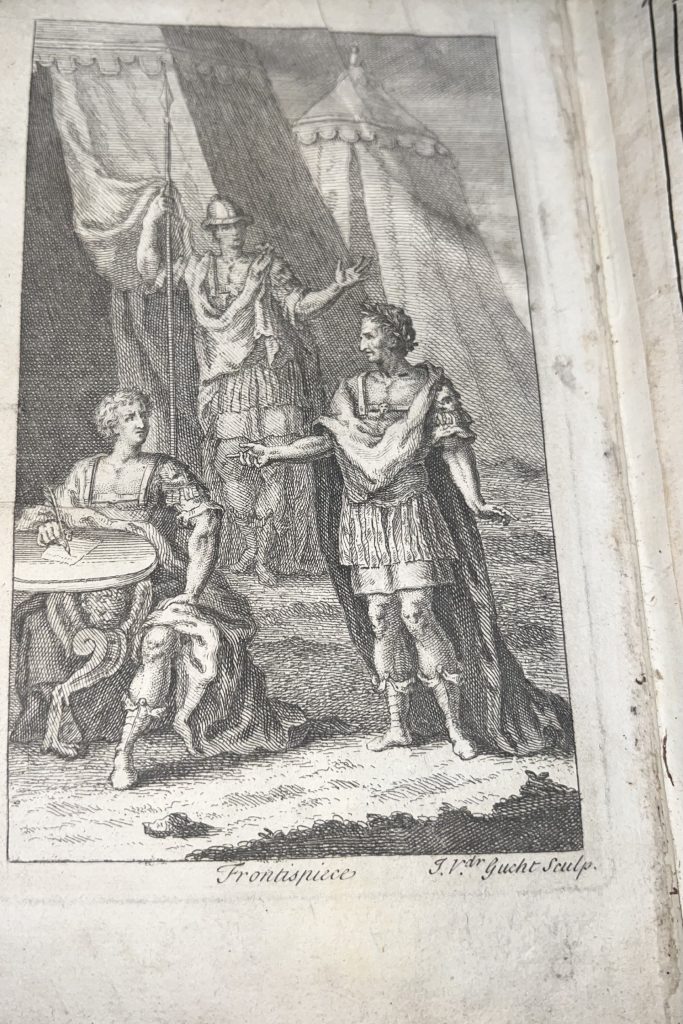
Other evidence that this book has been rebounded can be found on the frontispiece, which is noticeably thicker from the rest of the pages, indicting that it had been pasted down over another page during the rebound. Pages that differ from the original paper which are identifiable by different margins are also visible throughout the book.
Provenance
While the book was published in 1727, there is no evidence of ownership until 1780, over 50 years such its publish date.
The oldest known owner is Thomas Carleill nowadays spelled Carlisle, he wrote his name on the front pastedown. Little is known about Carleill besides that he was born sometime around 1745 in Chippenham, Cambridgeshire, England.
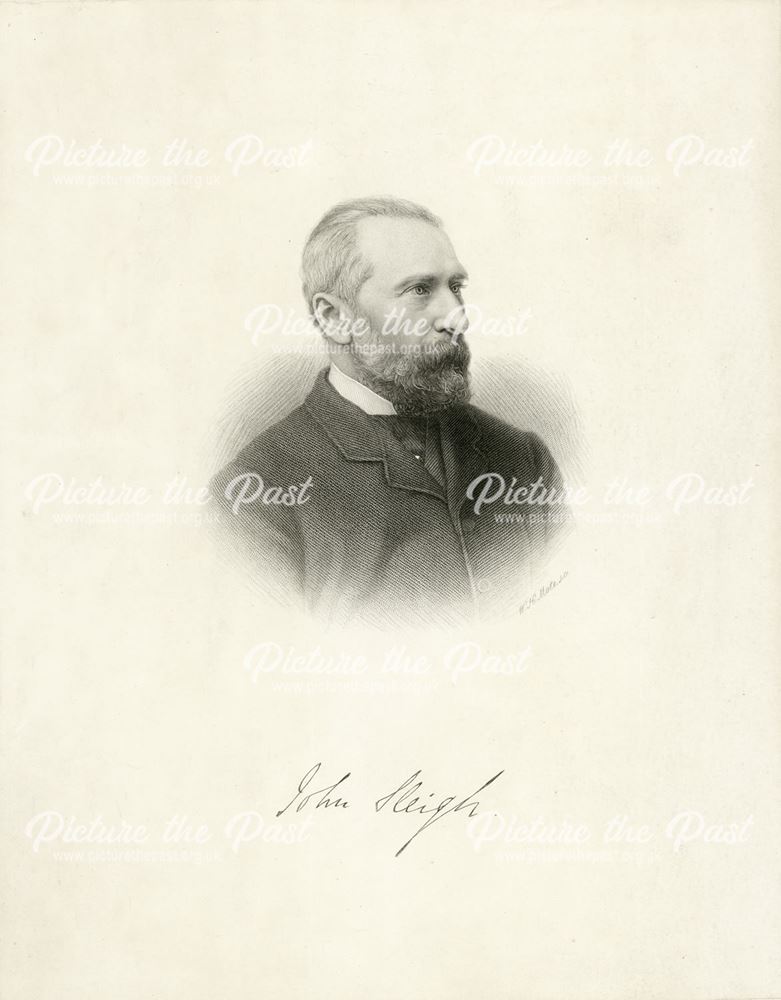
The next known owner is John Sleigh (1826-1907). It is unknown how the book came into his possession. Sleigh was a barrister and lived in Thornbridge Hall in Derbyshire from 1857 to 1870. His name and residence is written on the title page of the book dating back to 1859. An accomplishment of Sleigh’s is a book, A History of The Ancient Parish Leek, published in 1862. Leek is a town in England whose land had once been held by William the Conqueror.
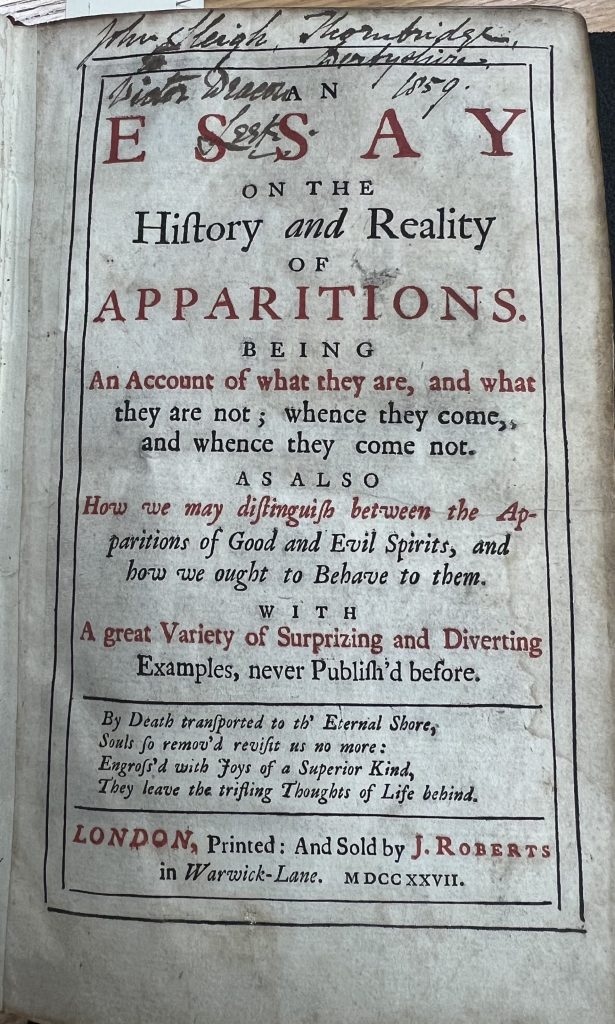
Along with Sleigh’s name, Victor Deacon is also written underneath. There appears to be a ‘to’ written between the names, indicating that Sleigh gifted this book to Deacon. The town of Leek is also written.
Victor Hobart Deacon
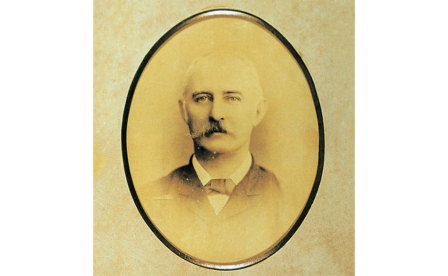
Victor Hobart Deacon, born 1847, would have been around 12 years old when this book was gifted to him, the topic perhaps being interesting to a kid. The theory connecting these two owners involves Victor’s father, George Edward Deacon. He was the Vicar of Leek from 1860-1886. This potentially means the Deacons were residing or at least present in Leek in 1859. Most likely while Sleigh was writing his book as George Edward is mentioned very briefly.
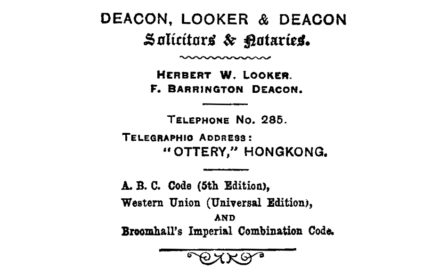
Deacon went on to run a law firm in Hong Kong for over 30 years. However, there is no evidence that suggests the book came with him. It most likely remained in England. He worked with his nephew, Frank Barrington Deacon, whom he left his will to after his passing in 1920. It is assumed ownership transferred to Frank. He passed in 1951, leaving his will to his wife, Ruth Louise, who passed later in the same year. Her will was left to The Chartered Bank of India, China, and Australia as they had no children.
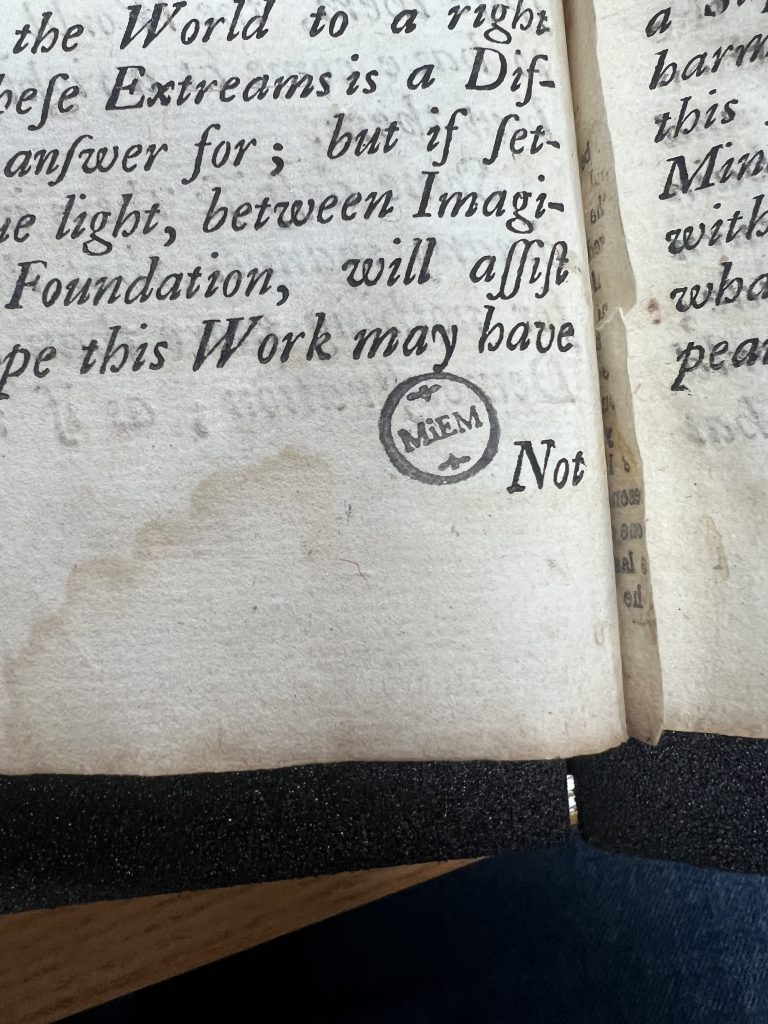
There are other writings on the frontispiece, however they are vague which means perhaps they are bookseller codes. There is no evidence regarding how this book came to Michigan State University. The working theory is that bank sold the belongings of the Deacons to auction houses and MSU purchased it sometime after 1951. There is a MSU library code stamp in the book, but is an older version of what would be used today.
Newspaper Inserts
There are three newspaper clippings glued into the book, two concerning supernatural happenings and one concerning a murder.
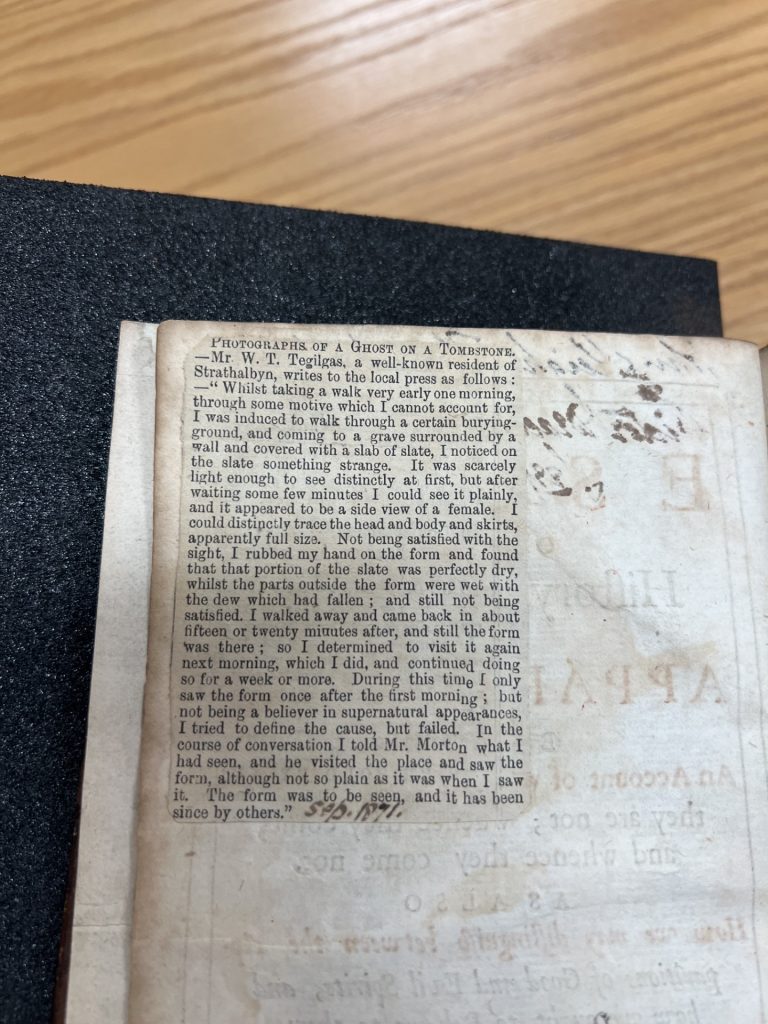
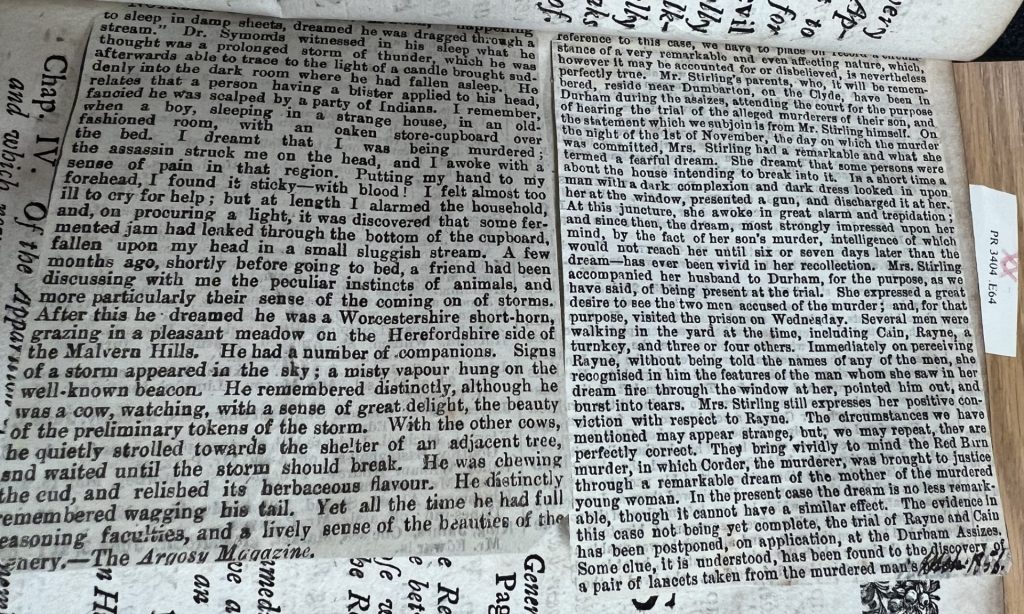
The first one is pasted on the top left corner on the back of the title page, there is a handwritten date of September 1871. It regards a ghostly graveyard sighting. The other two are pasted next to each other. One involves a snippet from The Argosy Magazine that ran from 1865 to 1901 concerning a man being dreaming of being murdered and reincarnated as a cow. The last is a story about a gruesome murder signed with a written date of 1856. It is assumed that these were pasted in by Victor Deacon
Sources
https://www.familysearch.org/en/home/portal
https://www.ancestrylibrary.com
https://www.wikitree.com/wiki/Carliell-4
https://www.deacons.com/tc/our-firm/our-heritage
https://probatesearch.service.gov.uk
https://en.wikisource.org/wiki/Men-at-the-Bar/Sleigh,_John
https://www.theguardian.com/books/1997/aug/24/biography.danieldefoe
Created by Aimee Savageau in Spring 2025 for Dr. Brockey’s HST 475. Special thank you to Tad Boehmer and Andrew Lundeen.
