
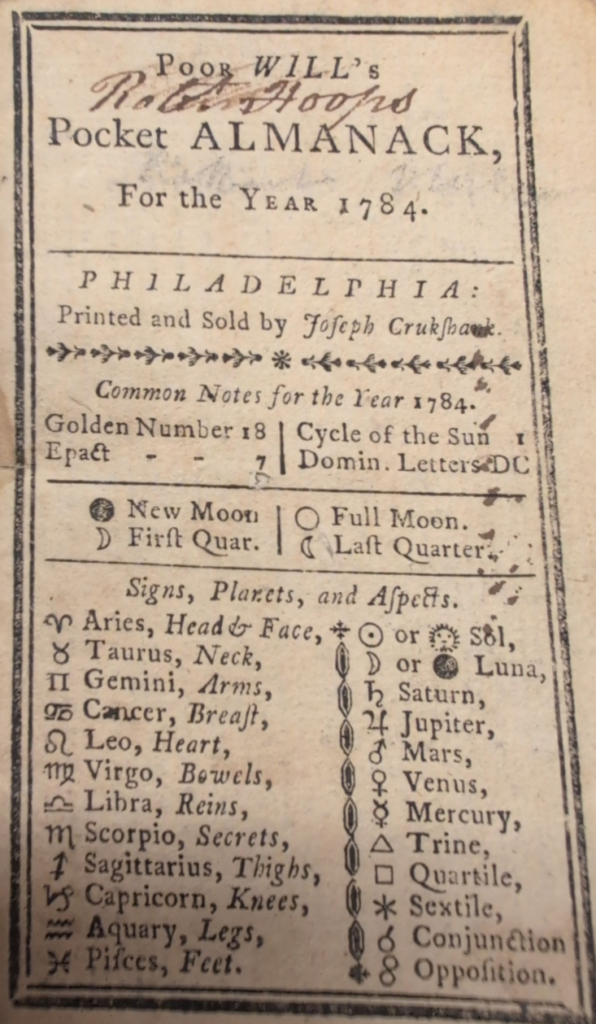
Catalogue information:
Title: Poor Wills Pocket Almanack, for the year 1784
Author: William Andrews (pseudonym)
Publisher: Joseph Crukshank
Place of Publication: Philidelphia
Year of Publication: 1783
Call Number: XX AY53 .P66 1783
Physical Condition
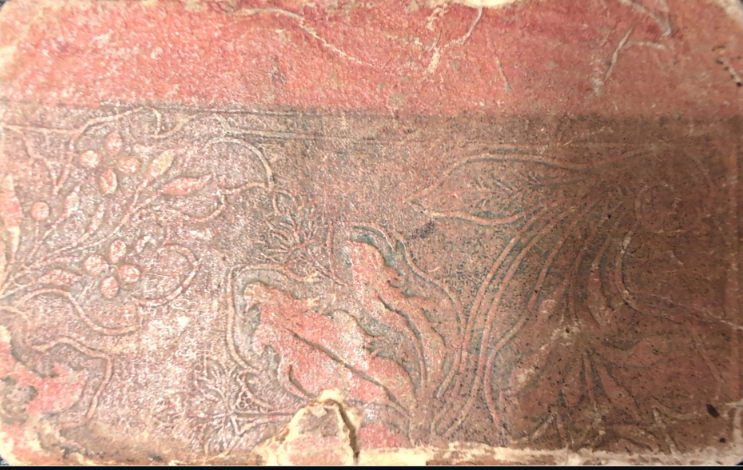
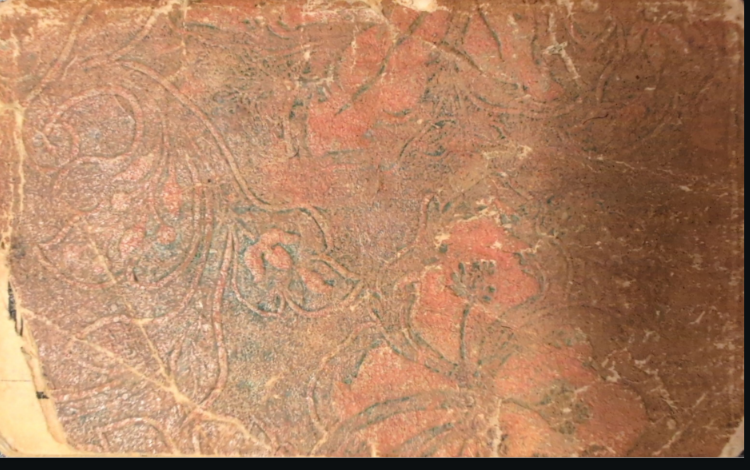
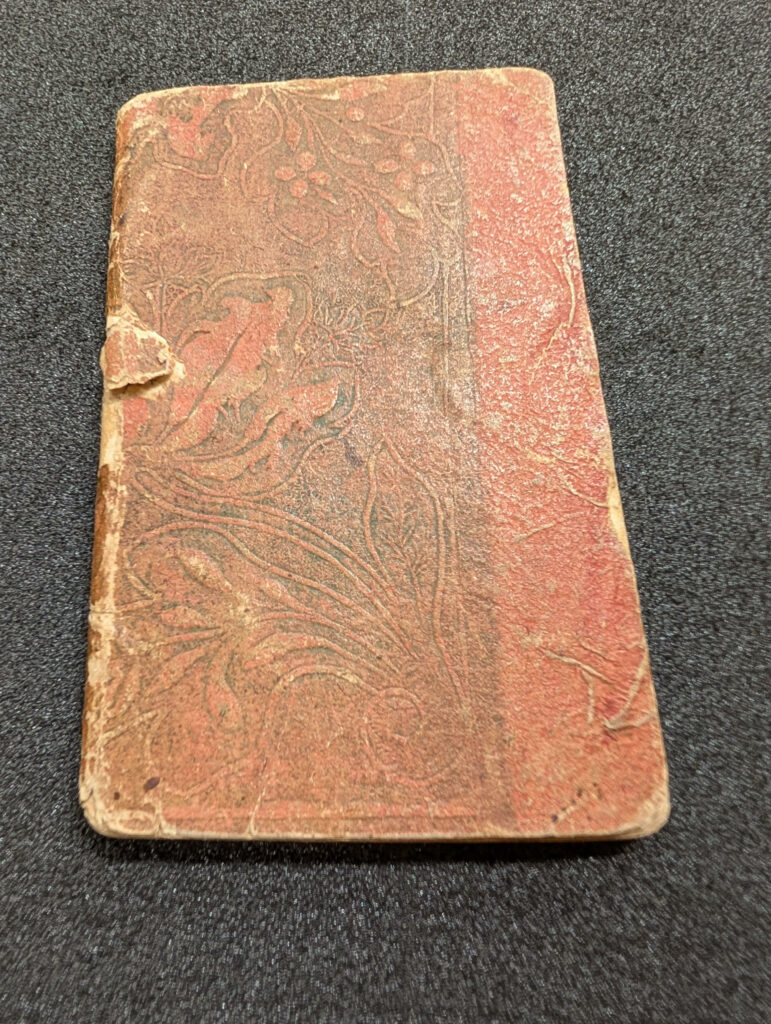
The book is a small booklet with one central binding holding all of the pages together. the covers are a stamped heavy paper with floral designs. there is extensive damage throughout the book including part of the back cover being missing and a tear that has almost severed a piece from the front. many pages are creased or torn although there is little discoloration.
Content
The content of the book is a mix of useful charts and lists. There are calendars for agriculture and weather, a list of roadways connecting different cities, as well as a few news snippets about the supreme court of Philadelphia. It has weight tables for various coins and a tide table. the contents are expected fare for a small almanac.
Author and Significance
Poor Will’s Pocket Almanack was one of the many almanacs printed in Philadelphia bearing the “Poor” moniker much like Poor Richards Almanac, a naming convention patterned after British almanacs [1]. It was one of many yearly Poor Will’s Pocket Almanacks which was a running series released in Pennsylvania that started as far back as 1770 and ran into the 1810s. This almanac was released by an author by the name William Andrew’s although this was not his actual name which was William Waring.
While this almanac isn’t anything special William Waring was significant as far as the world of almanacs in the late 1700s Americas are concerned. He was not only the Author of the Poor Will’s Pocket Almanack but also, its larger version Poor Will’s Almanack, Poulson’s Town and Country Almanacks and some years of the Philadelphia Almanack, The Burlington Almanack, the South Carolina and Georgia Almanack, and the New Jersey Almanack.
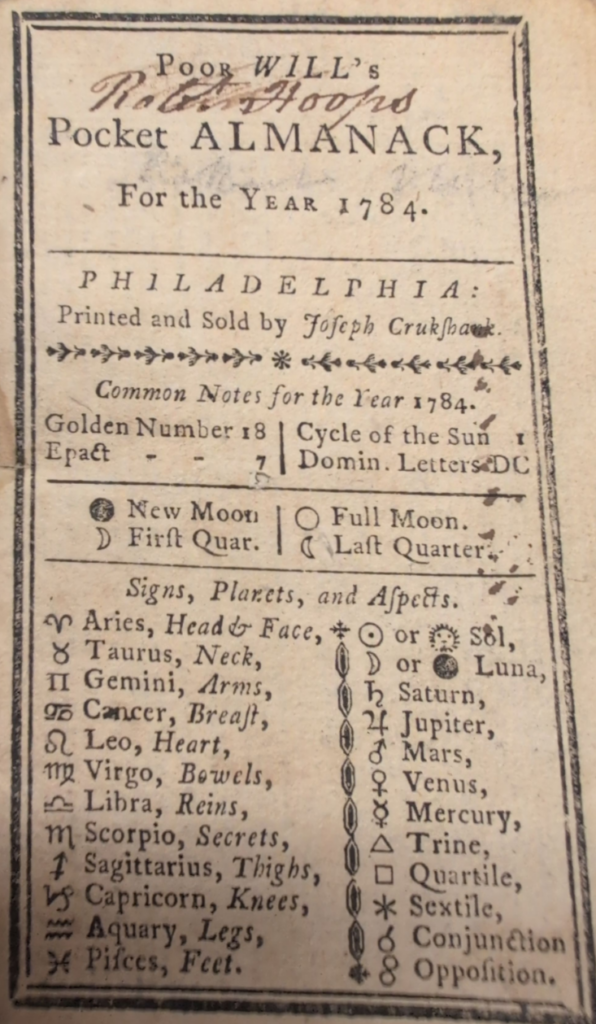
Robert Hoops
Robert Hoops is the likely original owner of the book. there is a court record of someone by that name also from Northampton County Pennsylvania from 1779 where we know the book was as it as Easton is written in the back cover which is a town in Northampton County [2]
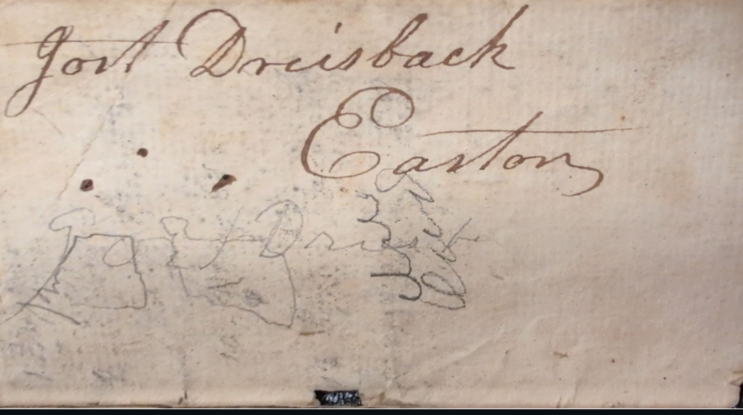
Yost Driesback
Yost Driesback was a mill owner in Pennsylvania’s Northampton County. He was lived from 1721 till 1794. originally a German immigrant Yost join the American Amry during the revolutionary war where he would make his way through the ranks to eventually become a colonel. Yost was likely the second owner of the book and likely was using it for its intended purpose as he lived in the region it was for during the time it was produced. [3] In Yost’s handwriting is the inscription “For Micum indicating he would have passed it two whoever Micum was meaning he would not have been the person to give it to Robert Hoops placing him most likely after him in the chain of ownership. If some of the notes on the black pages particularly the work records were penned by Yost he may have passed it on with the intention for Micum to have it as a receipt for the work
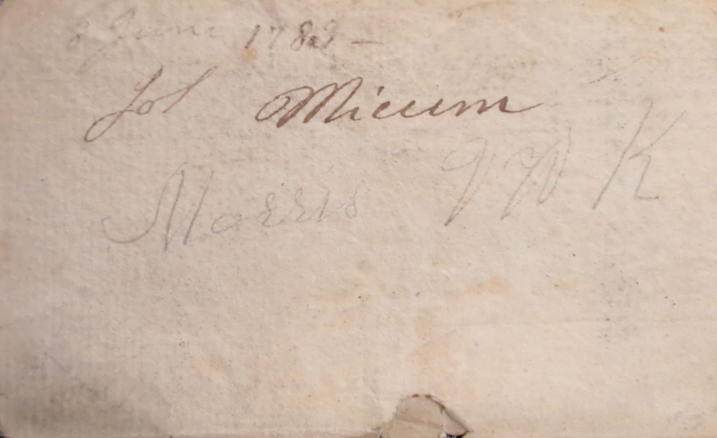
Morris V. W. Kimball
Morris V W Kimball was the owner of the book who wrote most extensively in it. He lived from 1842 to 1924. He lived in various parts of Michigan including Franklin which he wrote in the Almanack. He was a soldier in the Michigan 11 Cavalry.[4] His name is written many times throughout the book as well as notes in his handwriting. They range from practicing letters and numbers and copies of the opposite page to work records and a few cures for diseases. It seems that Kimball was using it as a notebook.
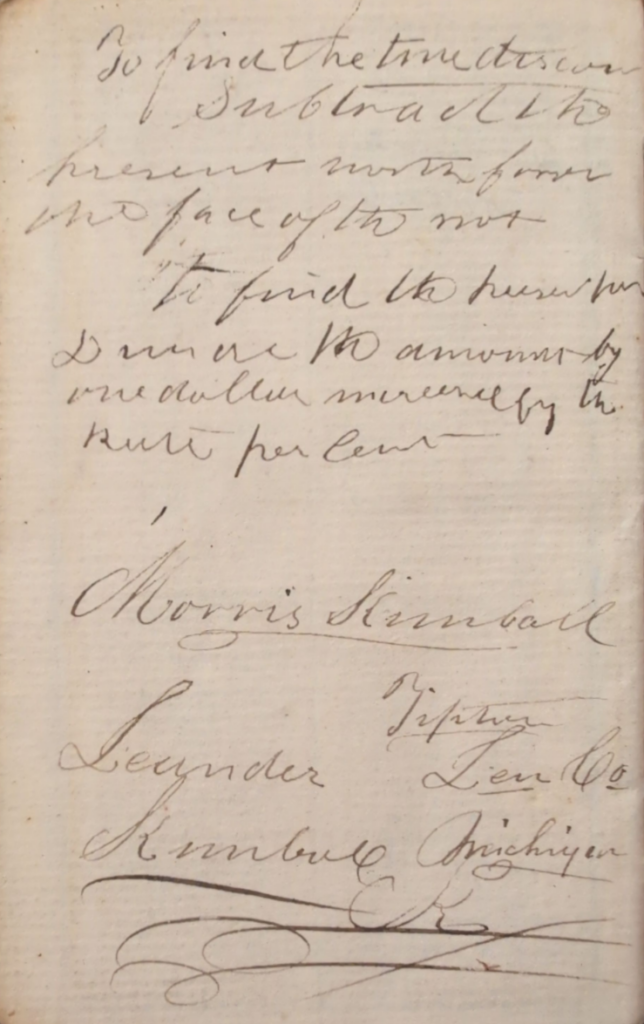
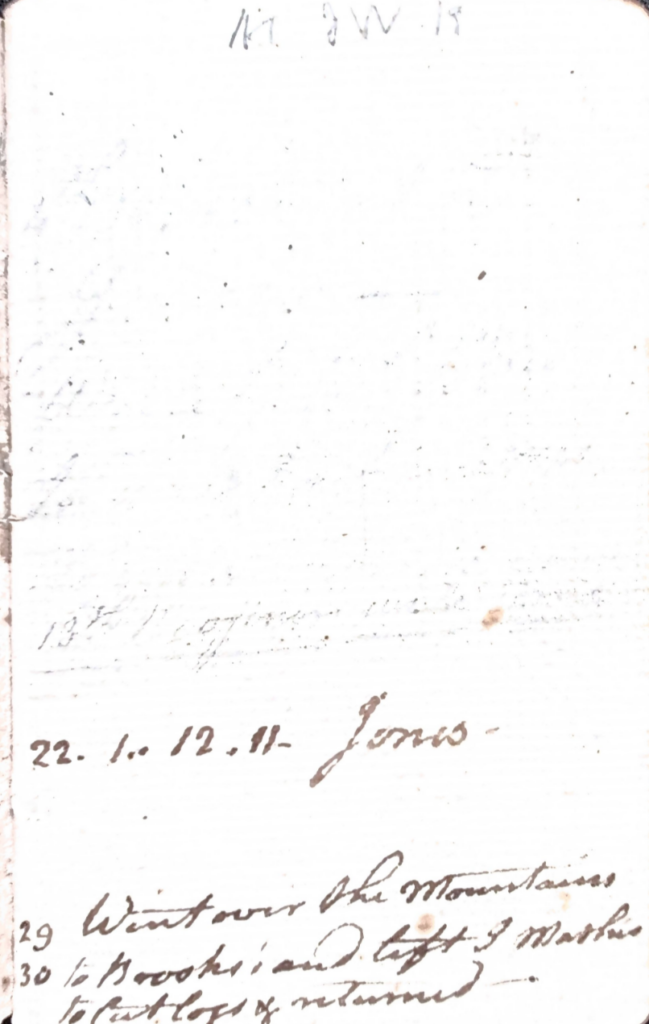
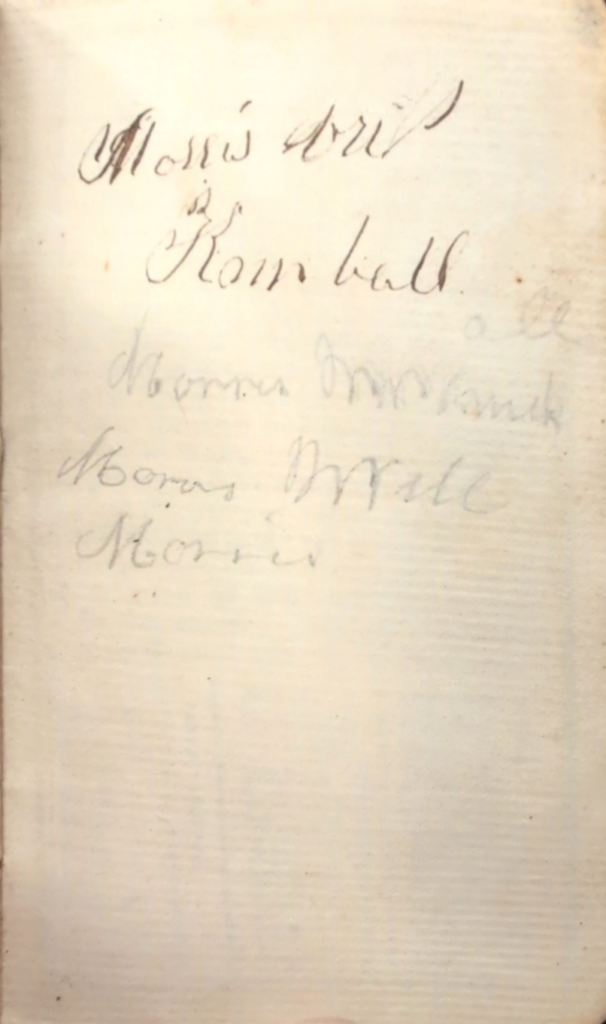
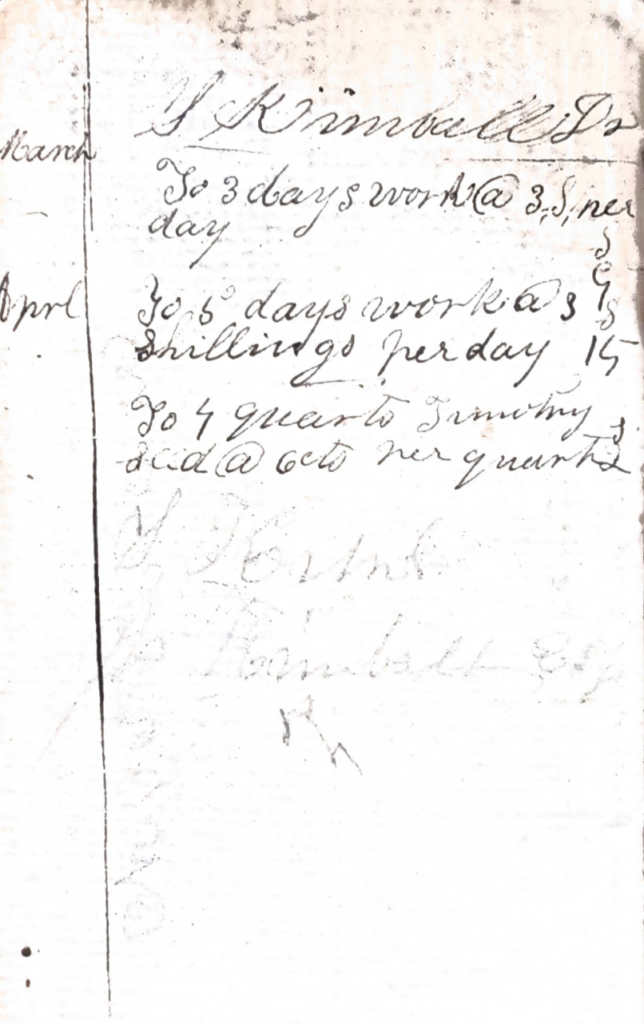
The Cures
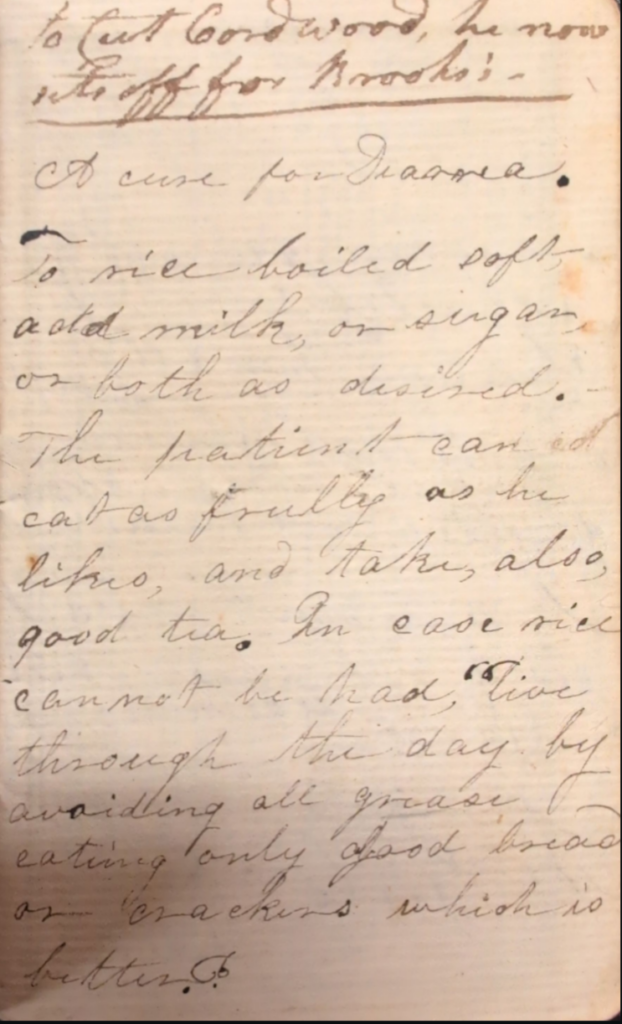
Mixed in with the copying of opposite pages, bits of poetry and practice of numbers and letters there are some writings of a more practical use in what looks like the hand of Morris V W Kimball. There are at three points in the text cures for ailments including dysentery. these were likely not just practice writing but actual useful information as among early soldier illness killed often.
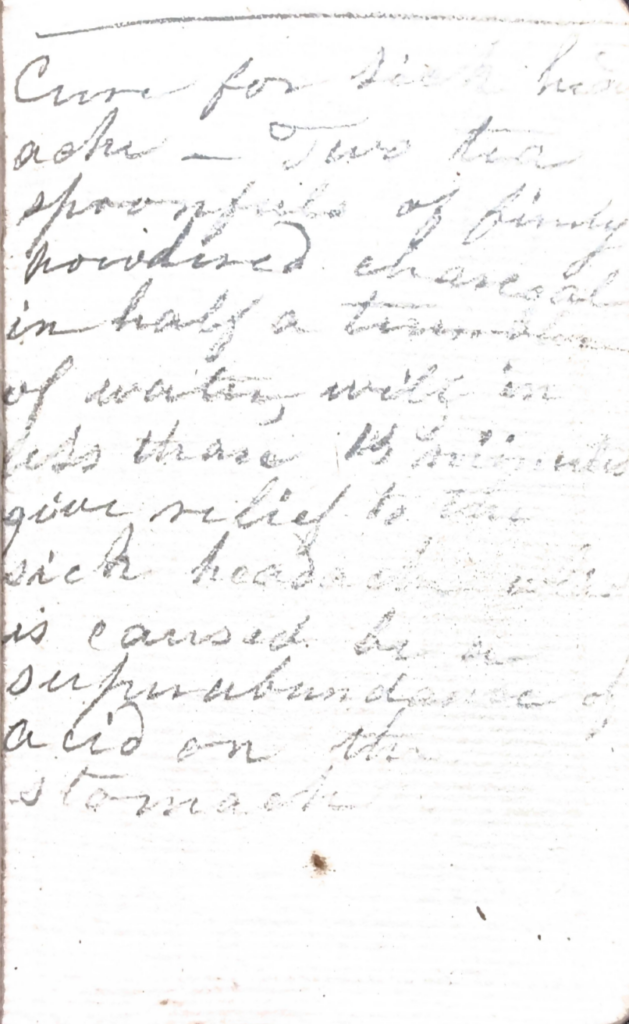
Note Pages
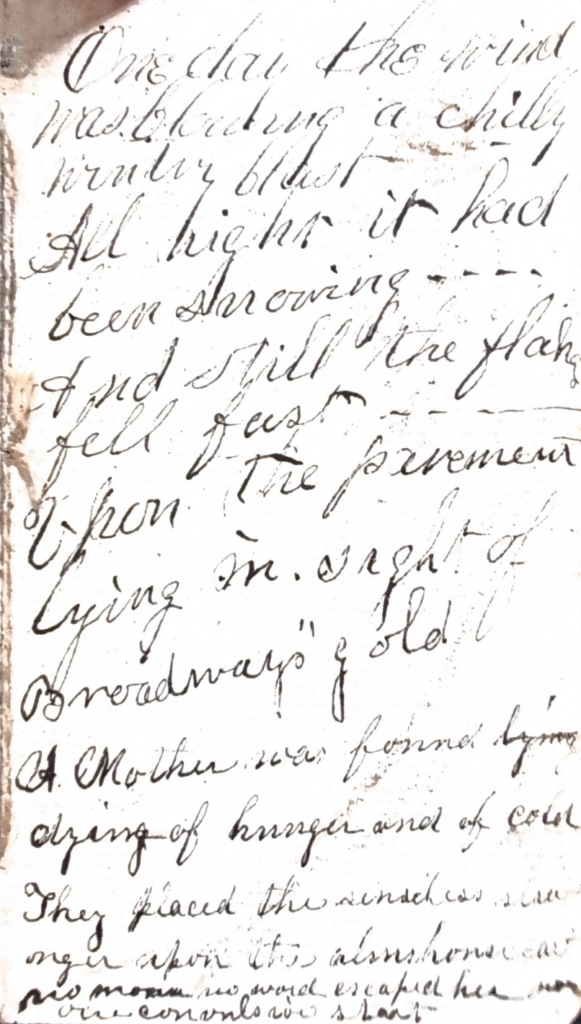
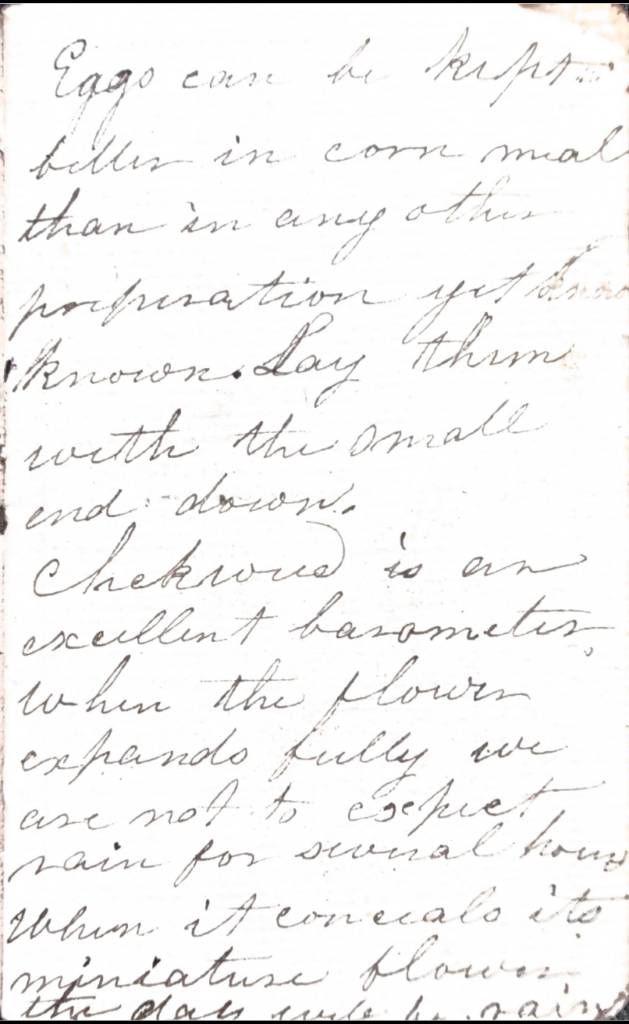
Special Thanks
Special thanks to Professor Brockey and Tad Boehmer for their guidance and to Connor Robeck and Annalise Haman for attempting to read the world’s most irritating handwriting.
Bibliography
[1] Project MUSE – The Revolution in Popular Publications: The Almanac and New England Primer, 1750-1800
[2] Pennsylvania, U.S., Oyer and Terminer Court Papers, 1757-1787 – AncestryLibrary.com
[3] Jost Dreisbach (1721-1794) – Find a Grave Memorial
[4]U.S., Find a Grave® Index, 1600s-Current – AncestryLibrary.com
