
Chongkan Xushi Shuowen Jiezi Wuyin Yunpu,
Xu’s Pentatonic Gloss on the Shuowen Jiezi, reprinted edition
Catalog Information
- Title
- 重刊許氏說文解字五音韻譜 Chongkan Xushi Shuowen Jiezi Wuyin Yunpu (Xu’s Pentatonic Gloss on the Shuowen Jiezi, reprinted edition)
- Author
- 宋 Song Dynasty 李燾 Li tao compiled
- Publisher/Year
- unknown/ 1573~1620
- Physical description
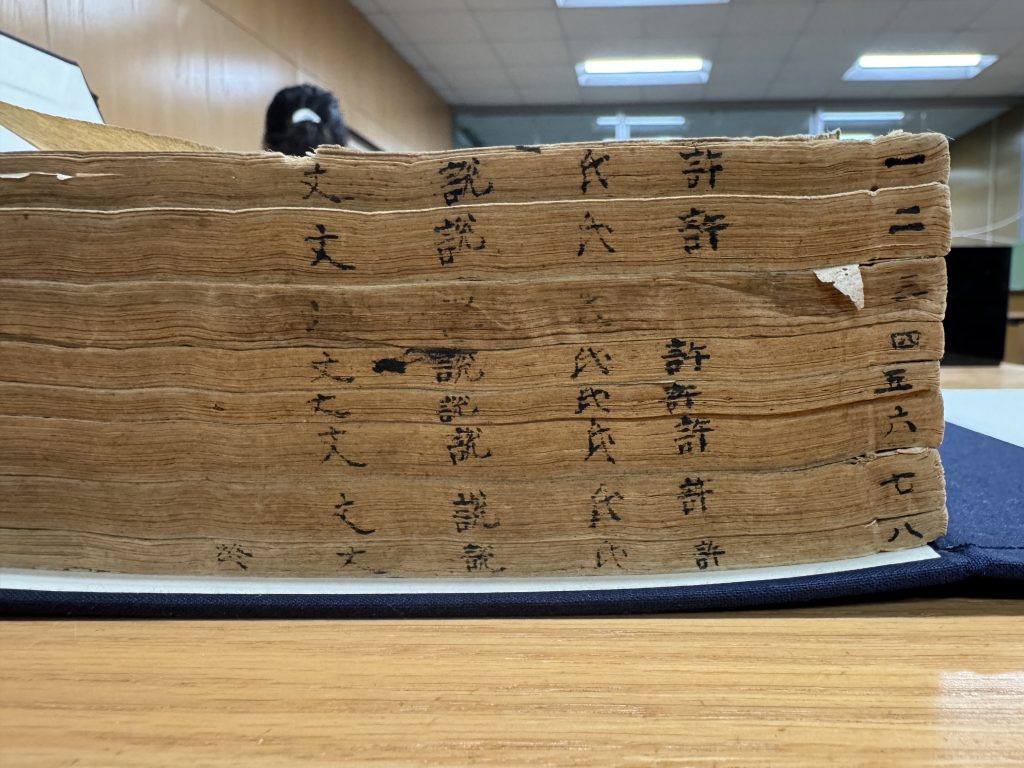
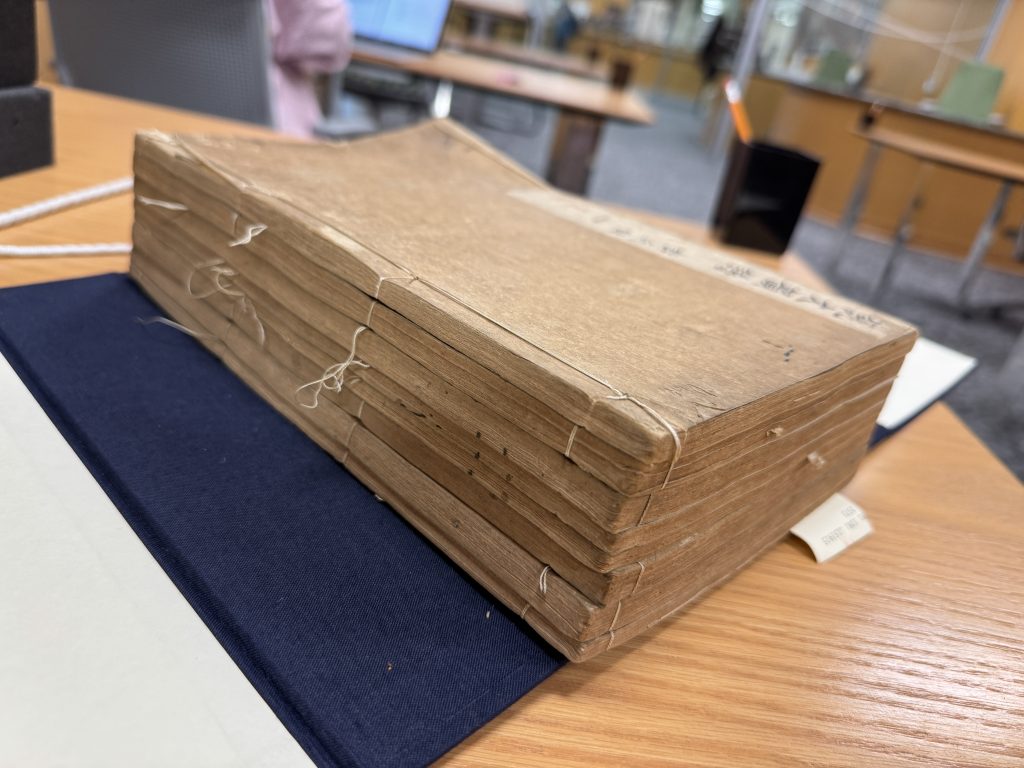
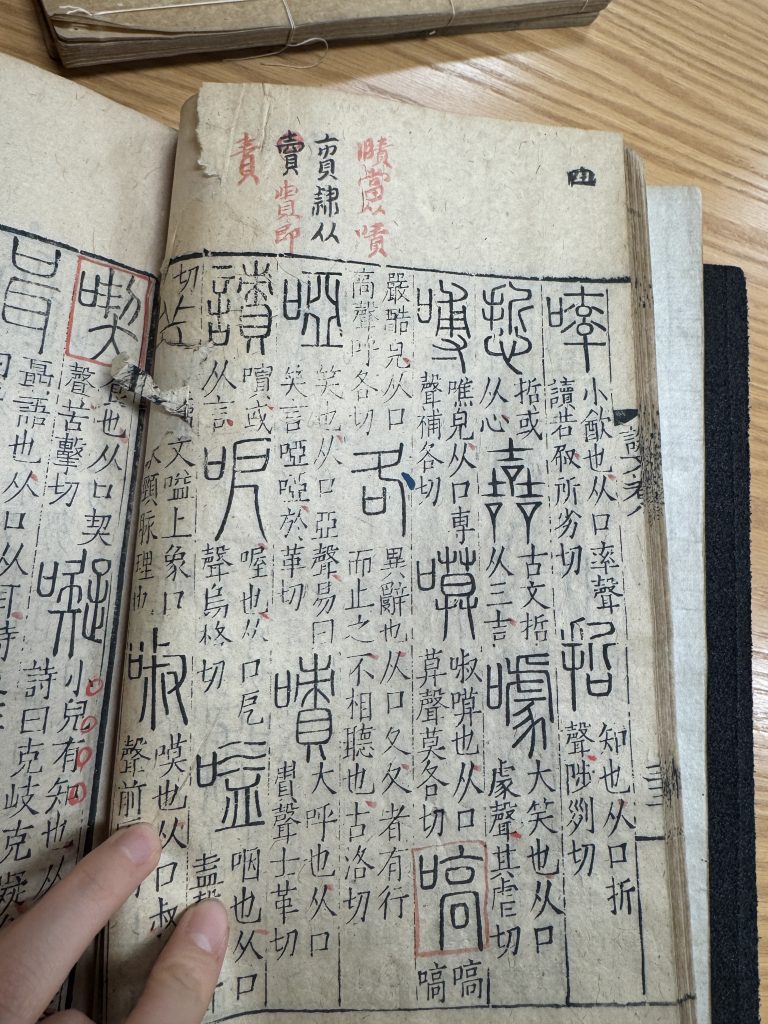
- 12 volumes in 8 books (十二卷八冊一函 shi’er juan ba ce yi han)
- Traditional East Asian binding
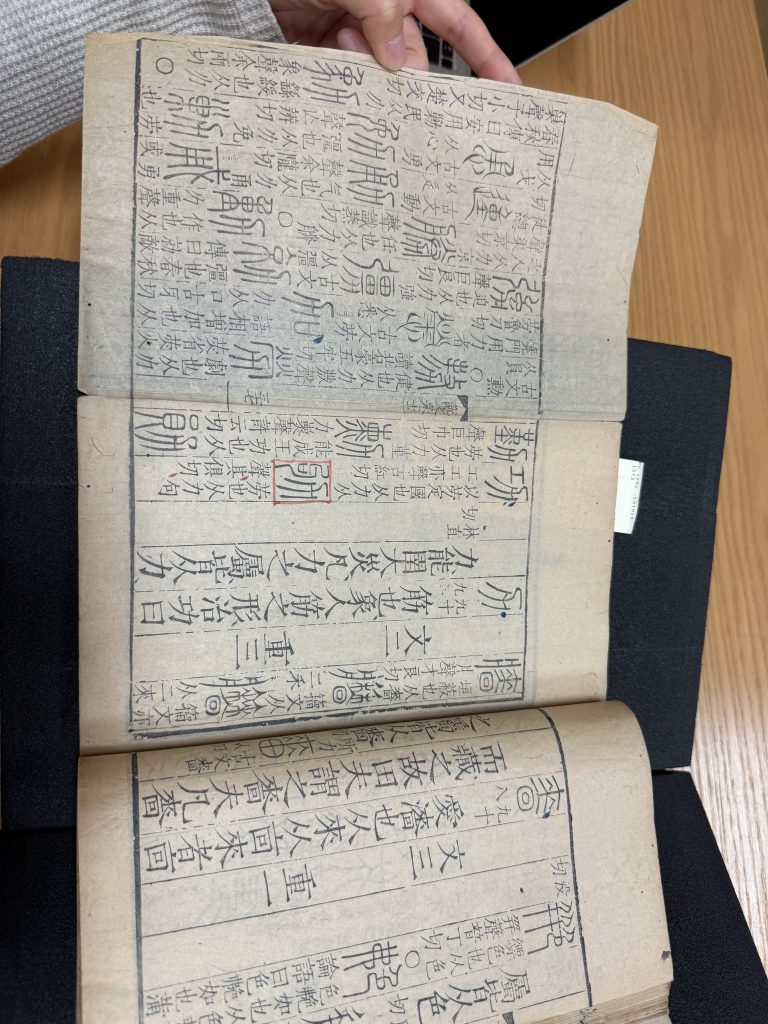
- Text block (半框ban kuang) 19.5 x 14.2 cm.
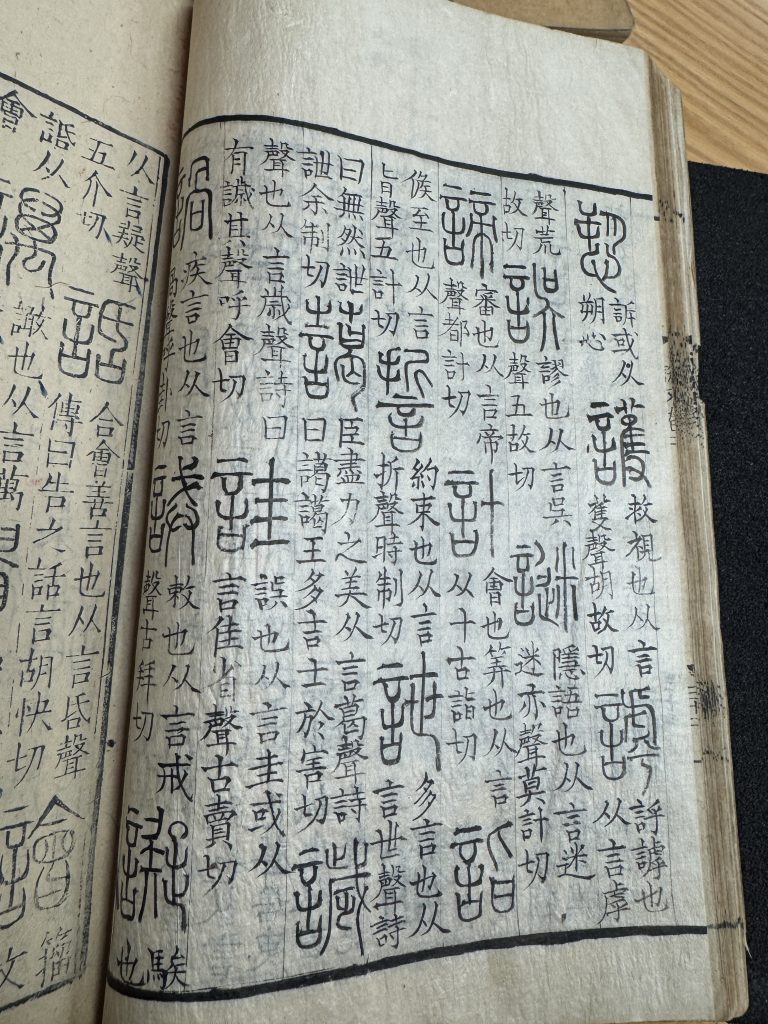
- Each half-leaf (半葉 ban ye) contains 7 lines
- The number of characters per line varies (行字不等hang zi bu deng)
- White borders (白口bai kou)
- The central area of the page (版心ban xin) includes the inscription “說文Shuowen” along with the volume number and page number.
- Single black fish-tail decoration (單黑魚尾 dan hei yu wei)
- Double lines on two edges (左右雙邊 zuo you shuang bian)
- small characters (小字xiao zi) 2 columns, 20 characters each.
- The printing condition is very clean, and most of the leaves are intact. Missing pages in the middle were carefully reproduced by hand and rebound into the volume.
- MSU Library Call number:
- PL1281 .L51915 1573
- Subject Headings:
- Chinese language — Phonology
- Chinese language — Etymology
About the book
To start with the title, “重刊Chongkan” means it is a reprint or republication. “許氏說文解字Xushi Shuowen Jiezi” refers to the 說文解字 Shuowen Jiezi, written by 許慎Xu Shen and originally completed around 100 AD. 說文解字Shuowen Jiezi is China’s first comprehensive dictionary and is considered foundational to the field of Chinese linguistics. It systematically categorizes Chinese characters based on their forms, meanings, and historical developments, and explores the origins and evolution of the Chinese writing system. It later served as a key reference for subsequent Chinese dictionaries and commentaries, giving rise to a scholarly field during the 淸Qing Dynasty known as 說文學Shuowen Studies, which produced over 200 related publications.
“五音韻譜Wuyin Yunpu“, compiled by the 北宋Northern Song scholar 李燾Li Tao (1115–1184), is a phonological reorganization of
說文解字Shuowen Jiezi. This work emerged as a revised version of an earlier draft known as五音譜 Wuyin Pu, also authored by Li Tao.
五音韻譜 was first published during the reign of 孝宗 Emperor Xiaozong of the 南宋Southern Song dynasty. At that time, 李燾 Li Tao was serving as an official in 遂寧Suining, 四川Sichuan, where he had the book carved and printed.
李燾Li Tao initially compiled 五音譜 Wuyin Pu during his time in Wuling, drawing on the 說文韻譜 Shuowen Yunpu and referencing the tonal sequence of 類篇Leipian. While he retained the original structure of 說文解字Shuowen Jiezi, he reordered the characters according to the 反切fanqie spellings from 類篇Leipian. However, according to 李燾Li Tao’s own remarks, it was never widely circulated and eventually lost.
Later, while stationed in Suining, 李燾Li Tao revised his draft and produced the final version, titled 五音韻譜Wuyin Yunpu. This revised work reorganized the character radicals according to the phonetic structure of 集韻Jiyun and arranged the characters within each radical group accordingly. Crucially, it preserved the original fanqie readings found in the earlier edition of 說文解字Shuowen Jiezi. This combination of accurate phonological information and improved searchability made Wuyin Yunpu far more practical than earlier attempts.
五音韻譜Wuyin Yunpu preserved both the content and the phonetic data of Shuowen Jiezi. As a result, it functioned not just as an index but as a reference that allowed scholars to study Shuowen Jiezi without consulting the original.
Although 五音譜Wuyin Pu did not survive, 五音韻譜Wuyin Yunpu gained wide circulation, especially during the Ming dynasty. Some later scholars even mistook it for the original 說文解字Shuowen Jiezi due to its comprehensiveness and practical use. The work was mistakenly attributed to 許慎Xu Shen himself by Ming publishers, as most extant editions omit 李燾Li Tao’s prefaces. Nevertheless, sources like 文獻通考Wenxian Tongkao confirm 李燾Li Tao’s authorship.
The text was also praised by Yuan scholar 程端禮Cheng Duanli, who recommended it as essential reading for beginning students of classical Chinese. While the editions of 說文解字Shuowen Jiezi exhibit significant variations, the text of 五音韻譜Wuyin Yunpu maintains stable between Song and Ming editions. This stability makes it an invaluable resource for modern philological studies on 說文解字Shuowen Jiezi.
Provenance
Publication
As 五音韻譜Wuyin Yunpu gained popularity, it was frequently reprinted during the Yuan and Ming dynasties. Notable editions include the 1501 edition by 車玉 Che Yu (弘治十四年車玉刊本Hongzhi shisi nian Che Yu kanben), the 1528 edition by 郭雨山Guo Yushan (嘉靖七年郭雨山刊本Jiajing qi nian Guo Yushan kanben), the 1619 edition by 張經世Zhang Jingshi (萬曆四十七年張經世刊本Wanli sishiqi nian Zhang Jingshi kanben), and the 1627 edition by 世裕堂 Shiyutang (天啟七年世裕堂刊本Tianqi qi nian Shiyutang kanben), among others. All these various editions of 五音韻譜Wuyin Yunpu trace their origin back to the Song edition as their original source.
There are several methods for estimating the date of a Chinese book. In the case of reprinted editions (重刊本), it is common for publishers to reproduce prefaces or colophons written decades or even centuries earlier, or to reuse previously carved woodblocks. As a result, the printed date shown in the book often does not correspond to the actual date of publication. Therefore, bibliographers typically rely on other evidence, such as the type of paper used, binding style, or the absence of certain Chinese characters. In East Asia, it was customary to avoid using characters found in the reigning emperor’s name, a practice known as “避諱bì huì”. Identifying which characters were avoided in a particular book can offer valuable clues about its publication date.
According to 美國密歇根州立大學圖書館中文古籍目錄定稿 Catalog of Chinese Rare Books at the Michigan State University Library provided by Asian Books Librarian Xian Wu, the publication date of this copy is estimated to be between 1573 and 1620, based on comparison with the 1528 edition by 郭雨Guo Yushan (嘉靖七年郭雨山刊本Jiajing qi nian Guo Yushan kanben).
This dating was originally proposed by two Chinese specialists who examined the book in person when Michigan State University acquired it from Japan over a decade ago. However, no documentation or rationale from their evaluation remains. As a result, I have based my further analysis entirely on the conclusion they provided.
Ownership Mark 藏書印 cángshū yìn
Aside from one clear ownership mark of “Library record of the Shibue family, physicians of Hirosaki(弘前醫官澀江氏藏書記
Hirosaki ikan Shibue-shi zōshoki)” the rest of the provenance relies significantly on informed assumptions. Since the book was published in China and purchased from Japan, traces from both countries are present.
Identifying former owners through seal impressions proved to be a quite challenge for me. First, it was often difficult to decipher the characters engraved on the seals. Despite having studied Classical Chinese for more than six years, I was able to interpret only about half of the inscriptions on my own. This difficulty arises because seals are typically carved in seal script 篆書zhuanshu, a calligraphic style that is not only archaic but also highly stylized and artistic, making them inherently difficult to read. Therefore, I acknowledge the assistance of a specialist from 성균관대학교Sungkyunkwan University who has conducted dedicated research in this field and supported the process of deciphering these seals.
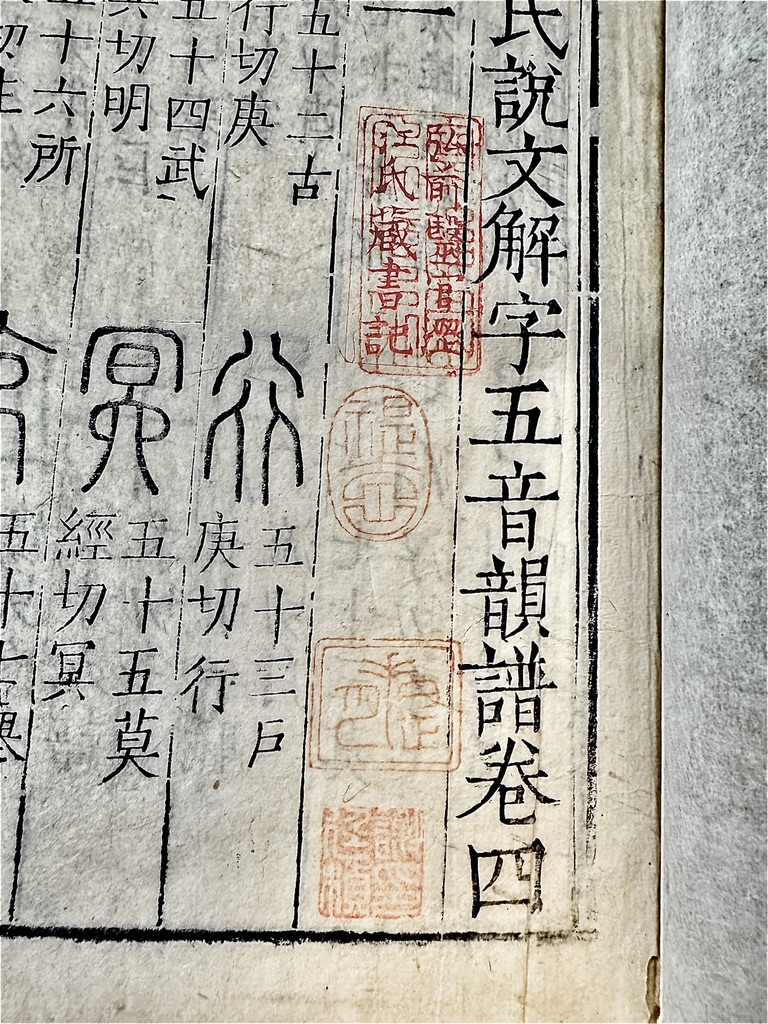
Ownership seals were typically stamped first in the blank space following the title at the beginning of a volume(卷頭juantou). This location generally served as the primary position for an owner’s seal. As the most visually prominent and aesthetically favorable position, it was preferred over other locations. When seals are stamped inside the frame lines, it becomes more difficult to excise them with a knife, which made this spot ideal for preserving the integrity of the seal impressions. Within the opening卷 juàn, the lower right margin inside the frame was particularly favored, as this placement would not obscure the main text.
Once a verification seal was stamped in the lower right margin inside the frame, name seals (姓名印xingming yin) and pen name seals (字號印zihao yin) would typically be added above it, one or two more stamps in sequence. When there are two or more stamps, they are usually arranged from bottom to top, or continue to the upper-right margin outside the frame. However, they are never stamped from top to bottom.
Accordingly, in the case of this book, it appears that the seals were stamped in the following order: first the name seal of “謝延楨Xie Yanzhen” , followed by “提” and then “禔玄”. Therefore, it can be reasonably concluded that 謝延楨Xie Yanzhen was the first individual to leave ownership marks on this book.
The most valuable clues regarding provenance came from the nine ownership marks found throughout the eight books, though ultimately I was only able to confidently identify two of the former owners.
謝延楨Xie Yanzhen (禔玄Tí Xuán)
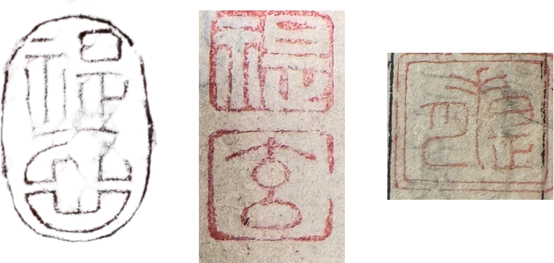
Firstly, the most prominently displayed seal reads “禔玄Ti Xuan“. Two seals clearly read “禔玄Ti Xuan“, while a third is partially legible, likely a variant form “提(禔)Ti“. Given the common interchangeability of homophones in Chinese, these are considered to represent a single owner. And also supported by the location of the seal, in between 謝延楨Xie Yanzhen and 禔玄Ti Xuan seal, that it is stamped sequally.
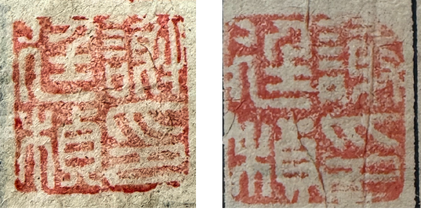
An additional seals state “謝延楨印 Seal of Xie Yanzhen“, initially seeming unrelated. However, evidence was found in a 明淸書畵帖 Ming-Qing transitional era calligraphy and painting album, where the artist identifies himself as 謝楨Xie Zhen, accompanied by both the 謝延楨印Xie Yanzhen and 提玄氏Tí Xuánshì seals.
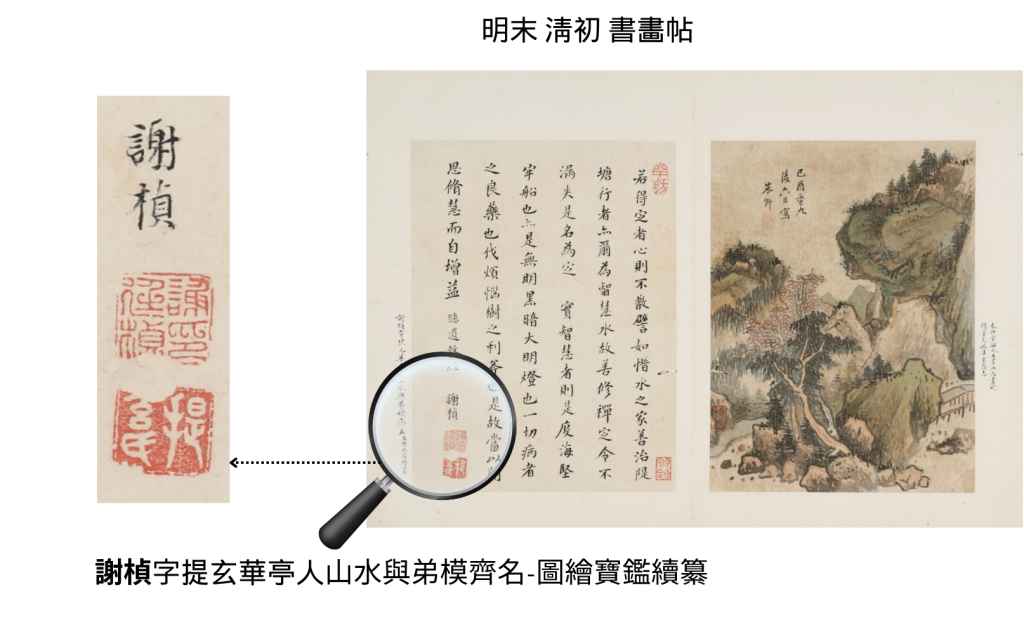
This connection confirms 禔玄 as the literary name(字zi) of 謝延楨 Xie Yan zhen, supported further by the note “謝楨 字提玄 華亭人 山水與弟模齊名-圖繪寶鑑續纂 Xie Zhen, literary name Tixuan, was from Huating. In landscape painting, he was equally renowned as his younger brother, Xie Mo- 圖繪寶鑑續纂 Tuhui Baojian Xuzuan Continued Compilation of the Precious Mirror of Painting).“
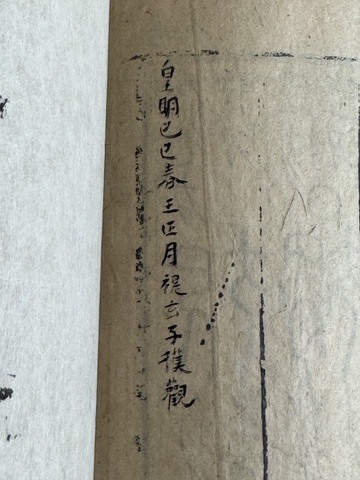
An additional clue within the book itself is a note on the final page of volume three stating “Observed and copied by 禔玄Ti Xuan, early spring, March, Jisi year of Ming Dynasty(皇明己巳春三正月禔玄子摸觀)”.
Given the East Asian sexagenary cycle, the Ming Dynasty’s 己巳Jisi year could correspond to 1509, 1569, or 1629. Based on the catalog’s publication dating, 1573–1620, the most plausible date is 1629, aligning with the Ming-Qing transitional period (1618-1662) indicated by the aforementioned painting album.
To summarize, 謝延楨Xie Yanzhen (禔玄Ti Xuan) was a calligrapher and a painter from 華亭Huating, who lived approximately around 1600s, known for his literati painting.
About 華亭 Huating
華亭, corresponding to modern-day 松江区上海市 Songjiang in Shanghai, emerged as a key cultural and artistic hub during the Ming dynasty, particularly known for its literati painting tradition. As the birthplace of 董其昌 Dong Qichang(1555–1636), Huating played a pivotal role in shaping the orthodox lineage of Chinese landscape painting. The 華亭Huating School, centered around 董其昌, exemplifies the intellectualization of painting in late Ming China.
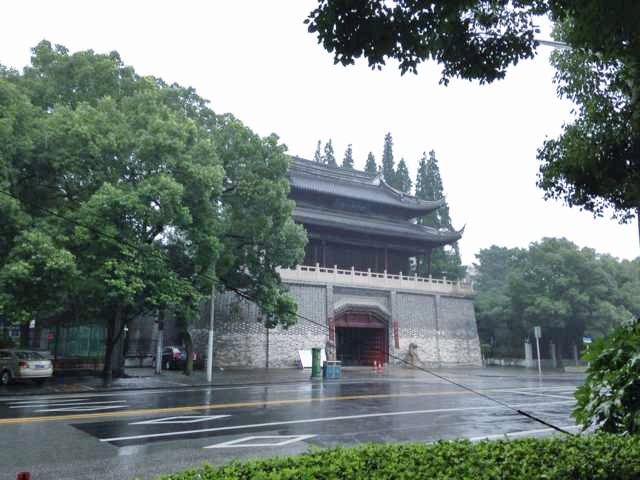
One additional landscape painting attributed to him has been identified, but no further information regarding his birth and death dates or ownership history could be found.
Marginalia
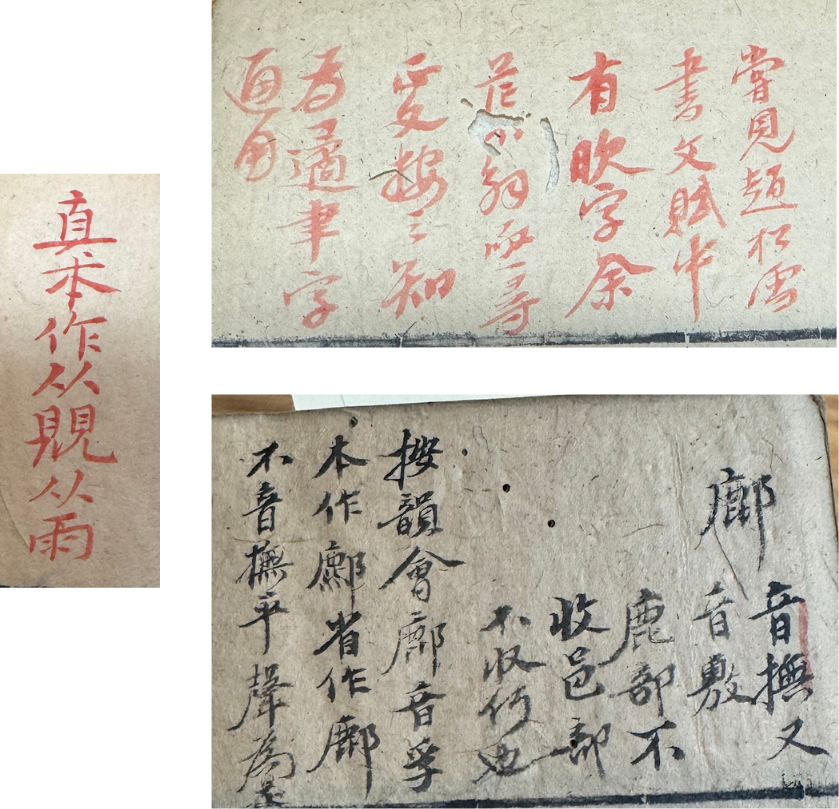
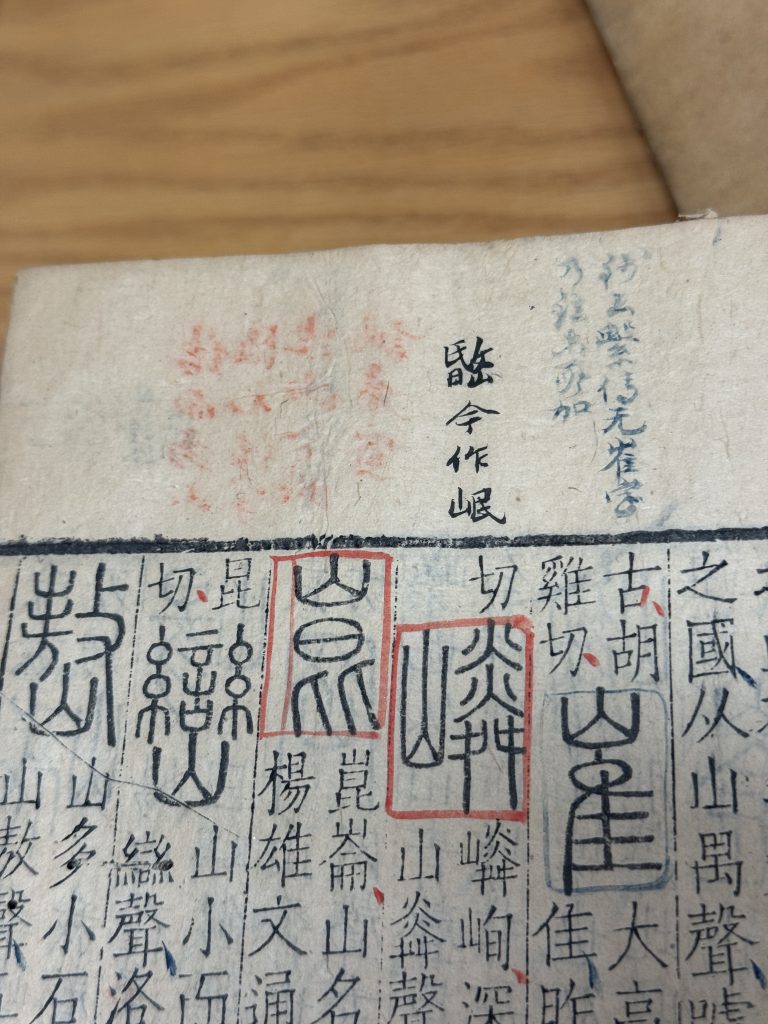
This MSU copy contains extensive marginalia, with notes appearing on nearly every page, indicating rigorous use by previous owners. These annotations predominantly consist of textual comparisons with the original 說文解字Shuowen Jiezi, often introduced by the phrase “眞本作 zhen ben zuo,” meaning “the original text states,” and are further supplemented by references to other texts. The black and red notes are finely written in regular Chinese script 楷書kaishu. The black notes seem to have been written first, with the red ink often correcting or refining them. Since it is difficult to date the annotations based solely on calligraphic style, and no definitive evidence attributes the marginalia to a specific individual, the Chinese annotations could plausibly be attributed to someone from the Ming dynasty to the post-Edo period.
澀江抽齋 Shibue Chūsai
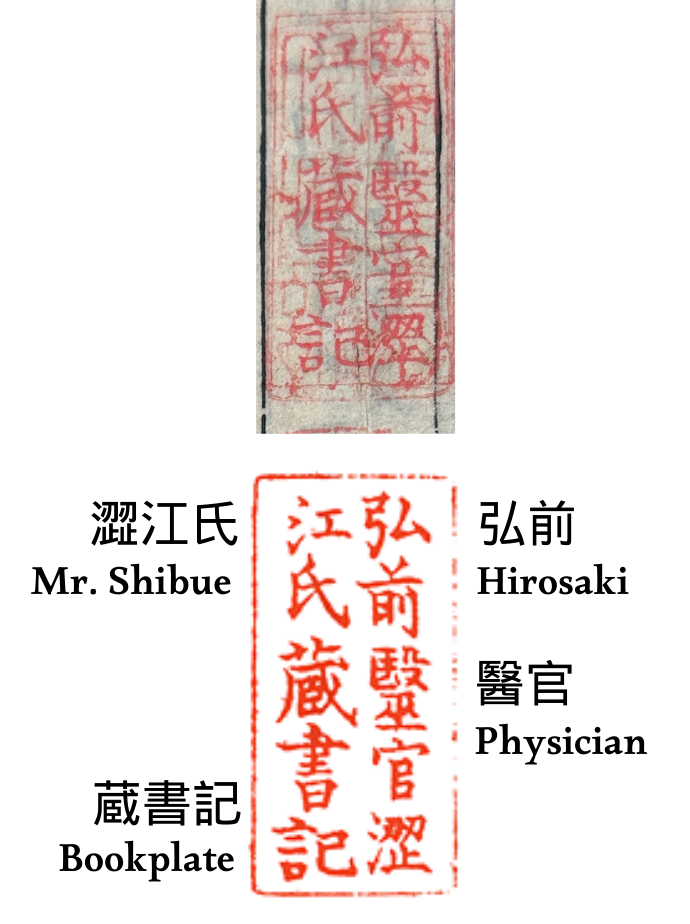
The ex-libris stamp “Library record of the Shibue family, physicians of Hirosaki弘前醫官澀江氏藏書記
Hirosaki ikan Shibue-shi zōshoki“ belongs to 澀江抽齋 Shibue Chūsai (1805–1858), a renowned book collector and hereditary physician for the 弘前藩 Hirosaki Domain in Edo-period (1603–1868) Japan.
About 弘前藩 Hirosaki Domain
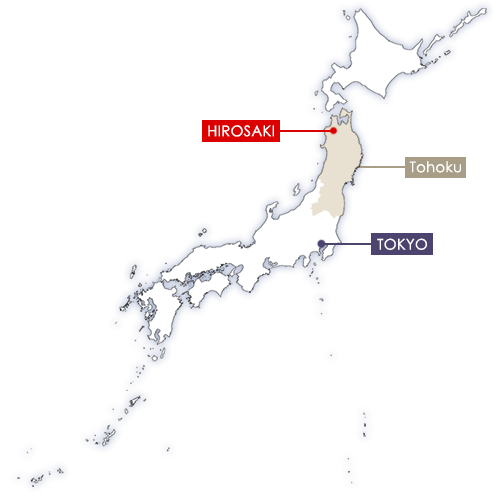
The 弘前藩 Hirosaki Domain, also known as the 津軽藩 Tsugaru Domain, was a feudal domain in Japan during the Edo period. It was governed by the Tsugaru clan and centered around Hirosaki Castle, located in what is now Hirosaki City in Aomori Prefecture, on the northern part of Honshu Island.
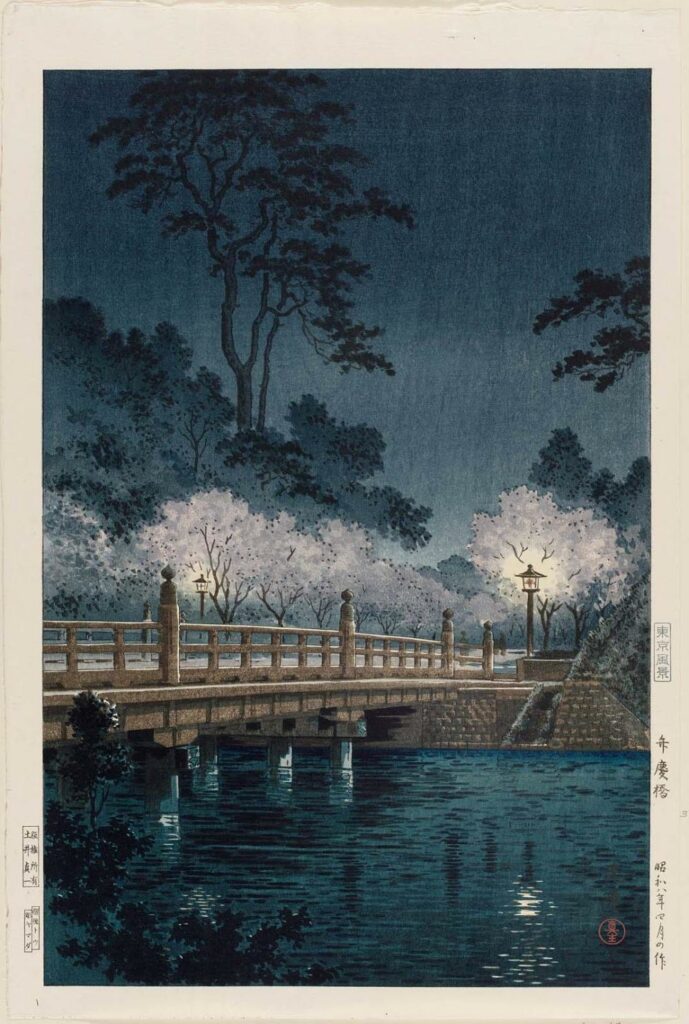
土屋光逸Tsuchiya Koitsu(1870–1949), 1933 April
Born 澀江道純 Shibue Dōjun, 抽齋 Chūsai was his literary name, while his courtesy name was 子良 Shirō. 澀江抽齋 Shibue Chūsai became known through the historical biography by 森 鷗外Mori Ōgai(1862-1922). Ōgai, while compiling the 武鑑 Bukan, a personnel directory of the Edo bakufu, noticed that many books bore the ownership seal of Chūsai and began to take interest in the name. Eventually, upon consulting the 江戶鑑圖目錄 Edo Kanzu Mokuroku at the Imperial Library, he realized it referred to 澀江抽齋 Shibue Chūsai.
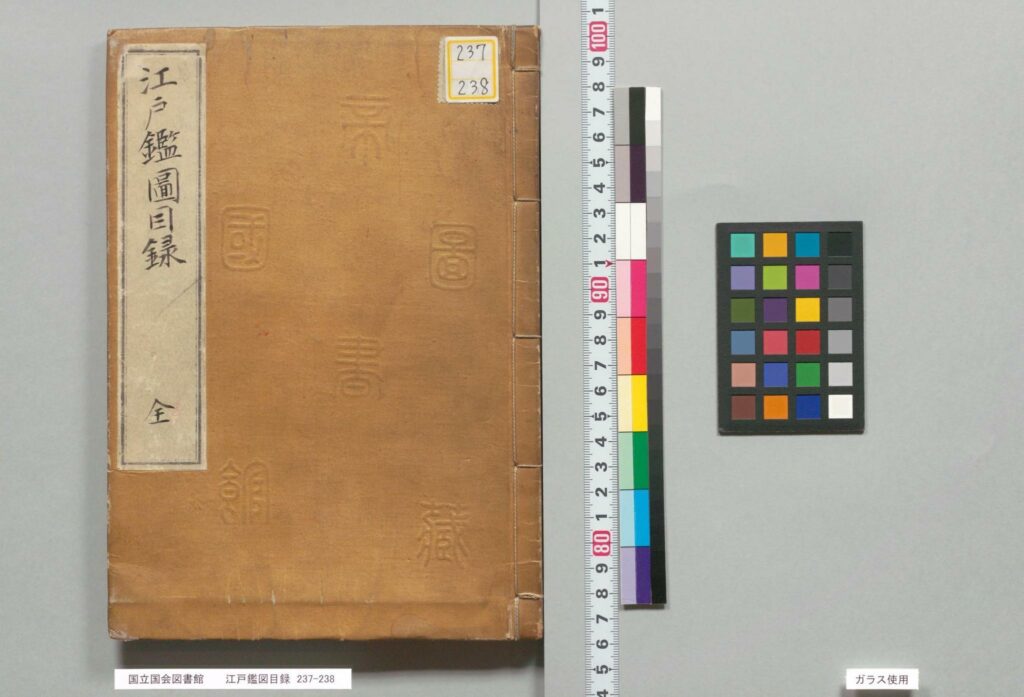
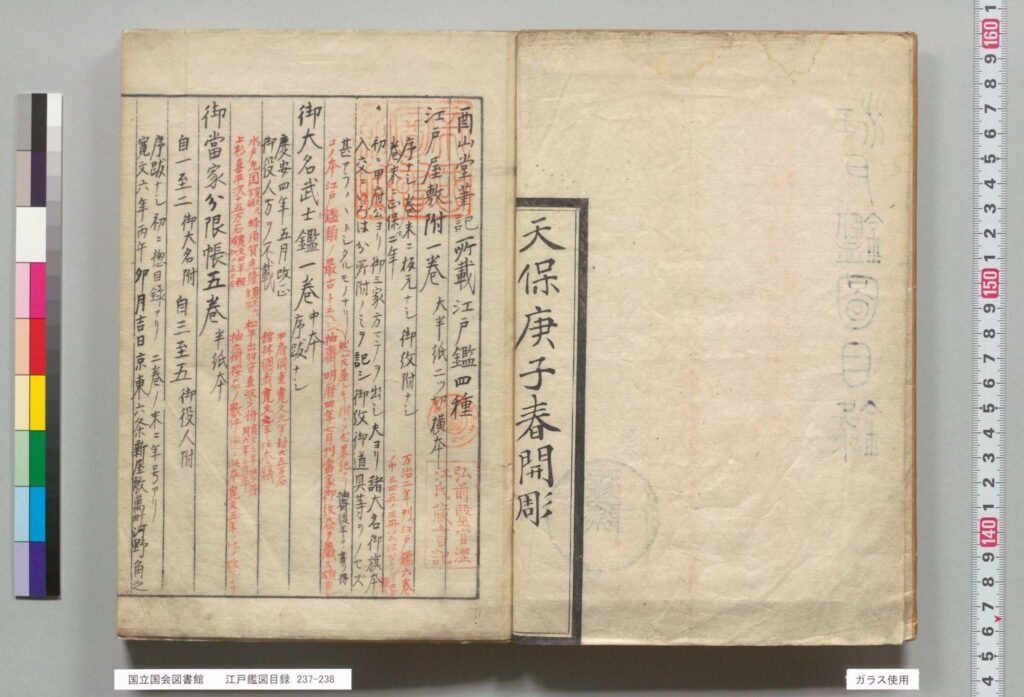
Japanese novelist 松本 清張 Matsumoto Seichō (1909-1992) points out that this historical biography, acclaimed as Ōgai’s greatest masterpiece, was in fact almost entirely copied from a set of materials and notes—comprising over a hundred manuscript pages—that Ōgai had commissioned from Chūsai’s son, 保 Yasushi. According to a research report by 一戸務Ichinohe Tsutomu(1904-1977), there was not the slightest trace of original creation by Ōgai himself.
According to Ōgai’s biography of Chūsai, he was born near the 弁慶橋Benkei-bashi in 神田Kanda, Edo. His family had served for generations as hereditary physicians to the 弘前藩Hirosaki Domain. In 1822, he succeeded his father as the domain’s head physician. He studied medicine under 伊澤蘭軒 Izawa Rankan and Confucianism under 狩谷棭齋 Kariya Ekisai and 市野迷庵 Ichino Meian. In 1844, he became an instructor at the shogunate’s medical school. By 1849, he was granted the official status of audience with the shogun(御目見 omemie), , but he later died of cholera at age 54.
Chūsai‘s personal collection included not only medical texts but also works in philosophy, literature, history, and theater. Though his library reportedly contained over 35,000 volumes, many books had already started circulating on the market during his lifetime, as his second son 優善 Yūzen took them out and sold them.
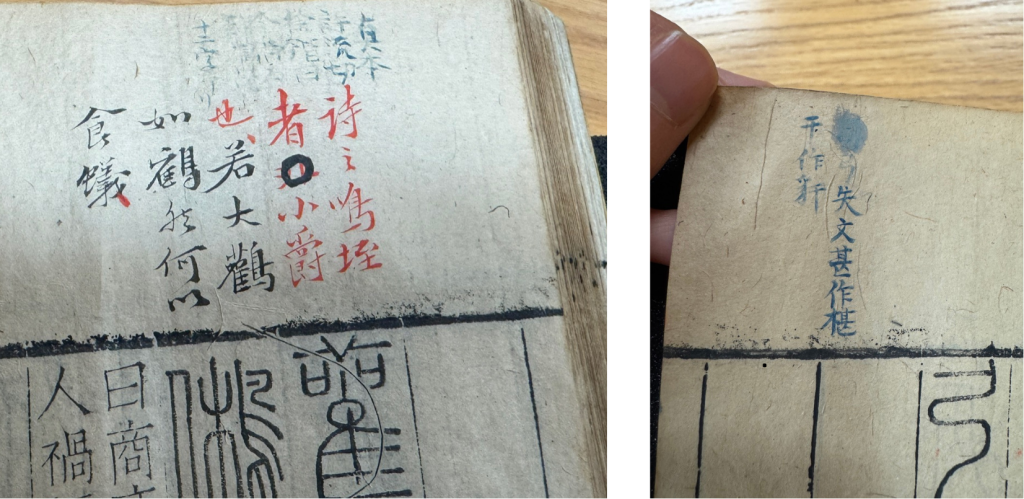
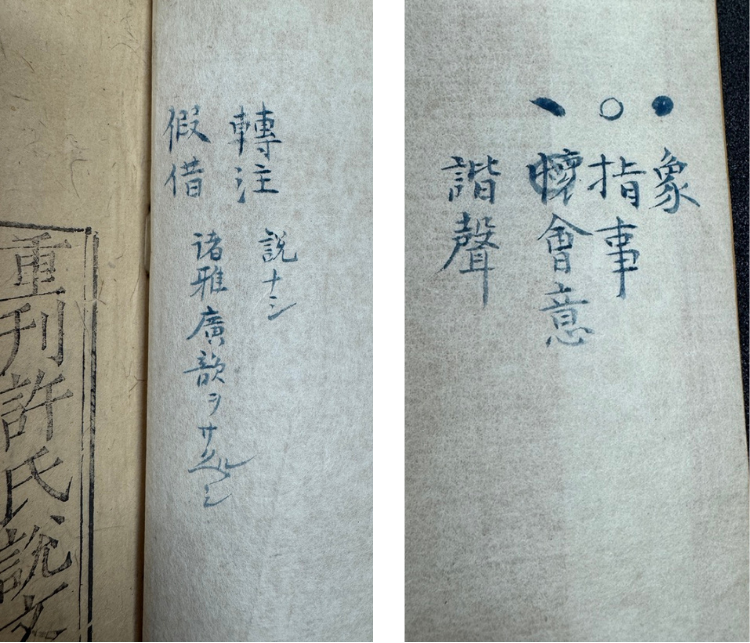
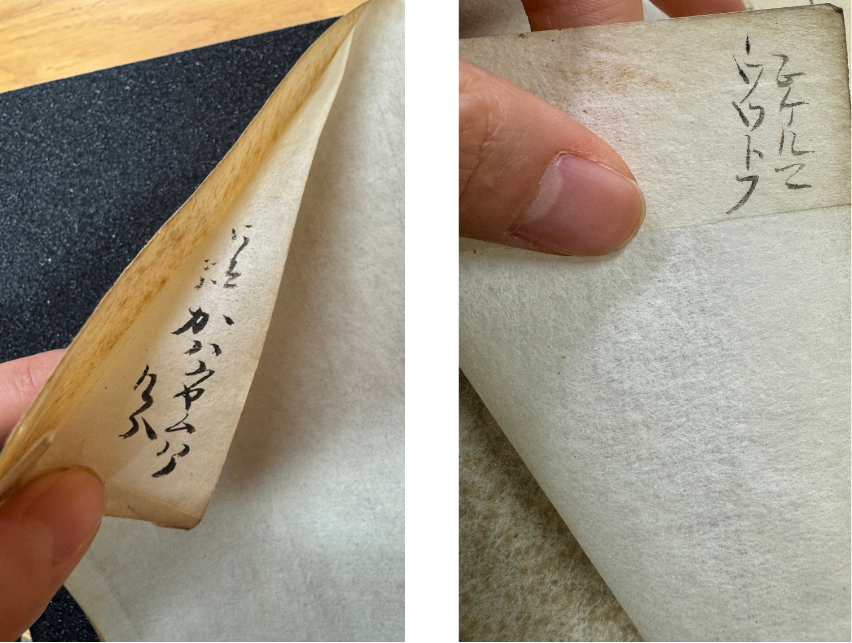
traces left by a Japanese owner who studied the book and attempted to classify characters according to their formation principles.
Formation principles of Chinese characters.
-象 (xiàng, pictograph)
-指事 (zhǐshì, indicative character)
-會意 (huìyì, ideograph)
-諧聲 (xiéshēng, phonetic compound)
-轉注 (zhuǎnzhù, associative transformation)
-假借 (jiǎjiè, phonetic loan)
At first, I assumed that the marginalia written in indigo-blue ink belonged to a Japanese owner from the later 20th century. These notes are occasionally covered with silver-white correction fluid and appear to be later additions by a different, likely Japanese, hand. This assumption is supported by the presence of katakana interspersed with Chinese characters— a common practice among Japanese readers when engaging with literary Sinitic texts.However, according to Ōgai’s biography of Chūsai, Chūsai cited the 説文Shuowen in support of his medical theories.
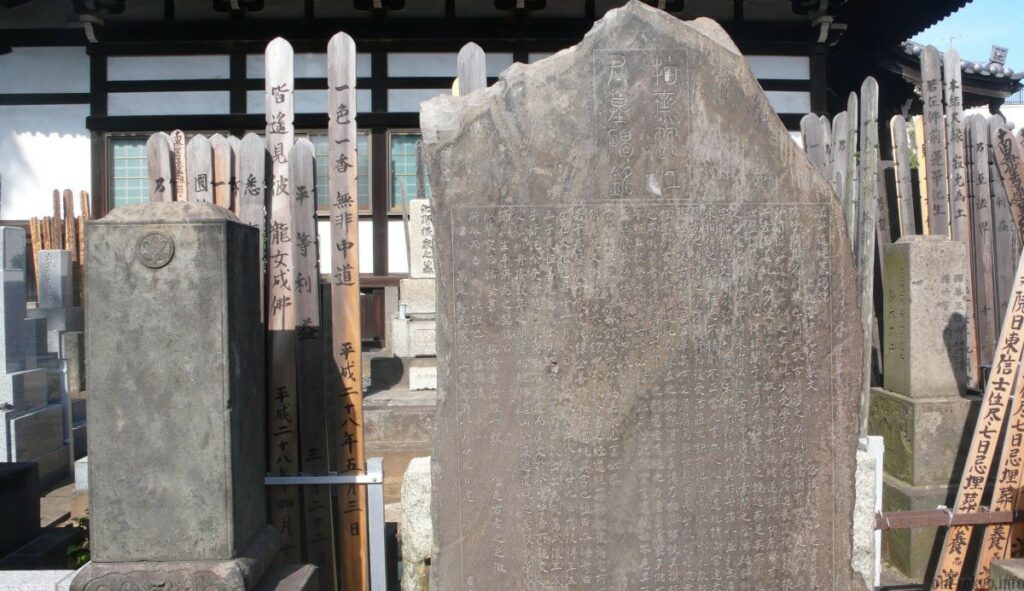
Address: 6-2-4 Yanaka, Taito-ku, Tokyo
According to his epitaph, he argued, based on the 説文Shuowen, that the term “陰陽結斜 yinyang jiexie” in the 素問Somon was a corrupted form of “結糾jiejiu”. This suggests that Chūsai not only used Chinese characters, but also possessed a deep understanding of their meanings and etymologies. Although the specific edition of the 説文Shuowen referenced in Ōgai’s biography is unclear, the possibility cannot be ruled out that the 説文Shuowen mentioned refers to the MSU copy under discussion—especially given that later scholars sometimes referred to the 五音韻譜Wuyin yunbu as 説文Shuowen, and studied it under that title.
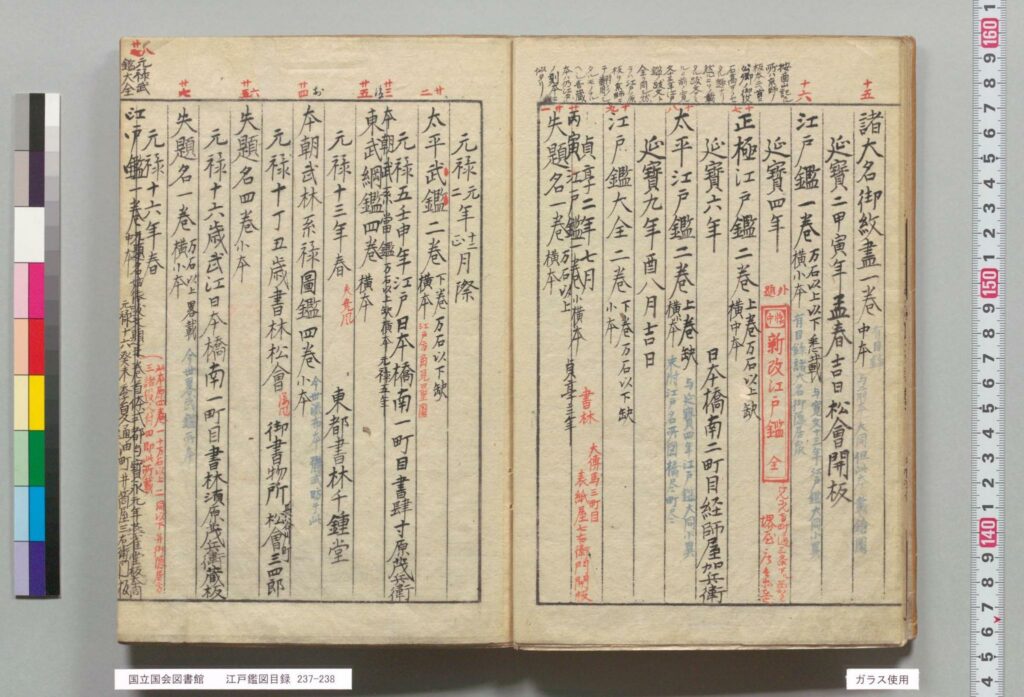
The previously cited 江戶鑑圖目錄 Edo Kanzu Mokuroku is known to have been transcribed in Chūsai’s own hand, and the handwriting it contains closely resembles the navy-colored script in this copy. Furthermore, the silver-white correction fluid used to obscure some of the navy ink is consistent with that found in manuscripts from Chūsai’s era. While these features may reflect common practices of the time, it remains possible that these marginalia are traces of annotations and study personally undertaken by Chūsai himself.
Unidentified marks
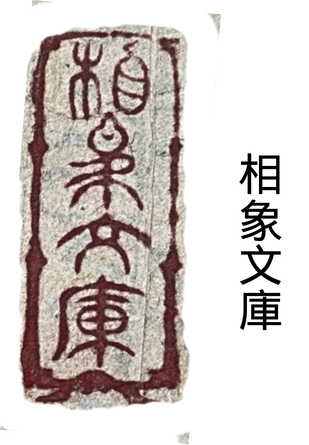
The seal reading “相象文庫” appears to refer to a library or personal collection, as the character “文庫” typically signifies a library or book collection. However, no further information could be found through searches in Chinese, Japanese, or Korean sources.
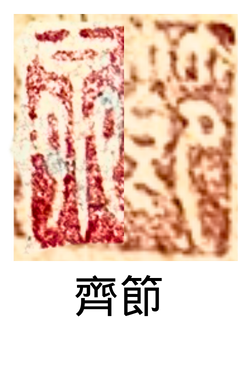
節齊
The seal is often only partially impressed; I created an image from multiple impressions for a clearer reading.
Regarding the seal “節齊”, since it was so widely adopted as a literary name(號) across East Asia, it is impossible to definitively attribute the seal to one individual.
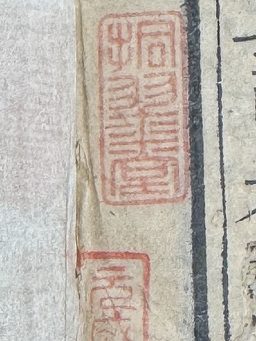
Unlike the seals “弘前醫官澀江氏藏書記” , “提玄”, and “相象文庫”, which consistently appear from 卷 1 through 卷 12, these two smaller seals appear only once—on the final page of 卷 12.
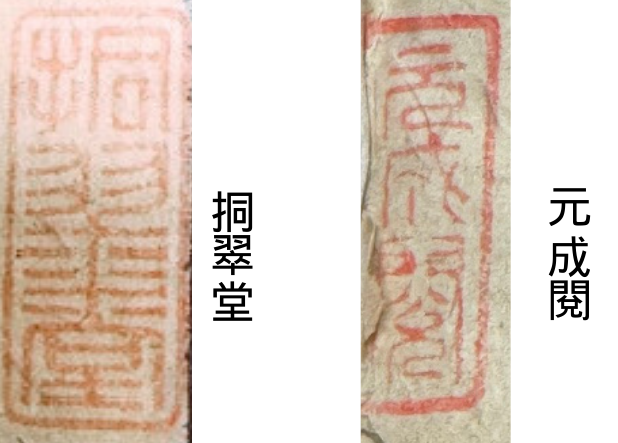
Judging by the shape of the characters, the left seal appears to read “挏翟堂Dàng Dí Táng”. The character “堂Táng” means a residence, library, or hall in the Sinosphere. It simultaneously refers to the person residing in or associated with that hall. I searched various alternatives, but no specific historical figure was identified.
The other seal appears to read “元成閱Yuán Chéng Yuè”, although the first character remains unclear. Interpreted literally, “成Chéng” meaning “to complete” and “閱Yuè” meaning “to read,” the seal would suggest the meaning finished reading. This interpretation is further supported by the location of the seal at the very end of the final volume, suggesting it was impressed after the owner had read through the entire book.
The Provenance Trajectory
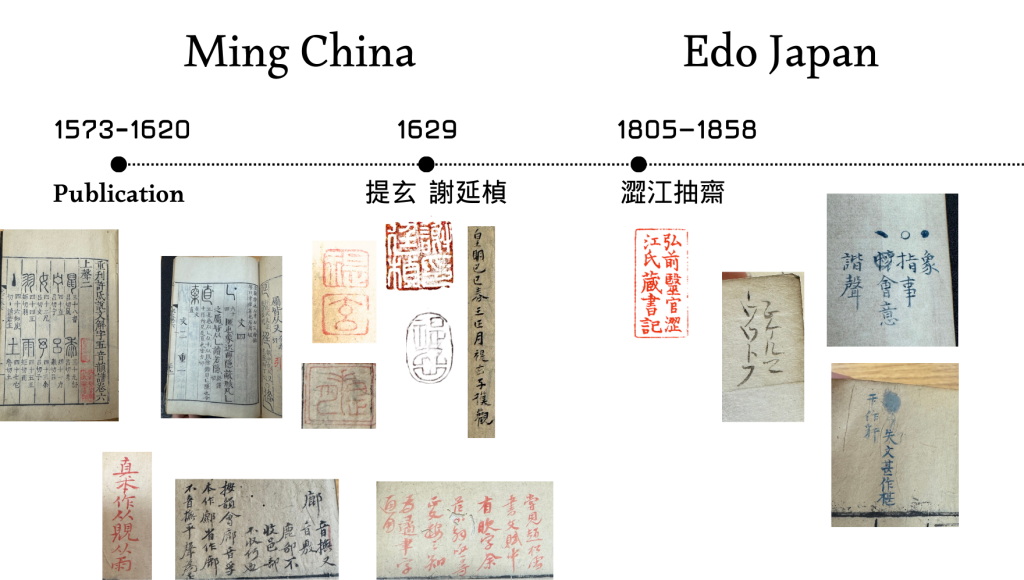
Based on ownership marks and marginalia found throughout the twelve volumes, I have reconstructed a tentative trajectory of provenance for this book. The evidence suggests that the book was actively used and annotated by multiple Chinese and Japanese readers. It was likely owned by the Ming-Qing transitional figure 謝延楨Xie Yanzhen (literary name 禔玄), and subsequently by the Edo-period Japanese physician and book collector 澀江抽齋Shibue Chusai. Later, it passed through one or more unidentified collectors, as indicated by the seals “節齊” and “相象文庫”, before eventually being acquired in Japan by Michigan State University.
This provenance not only reflects the circulation of classical texts across East Asian scholarly communities but also highlights how Chinese texts were read, interpreted, and contextualized.
Reference
Mun, Junhye. “The review of Shuowen Jiezi editions housed in Kyujanggak ” Korean Culture 0, no. 82 (2018): 65–84.
Koo, Ja-Hoon. A Study on Private Book Ownership and Book Owner’s Seals in the Joseon Dynasty: Focusing on Holdings at Korea University. PhD diss., Korea University, Department of Korean Language and Literature, June 2011.
https://www.polyauction.com.hk/tc/lot/VARIOUS-ARTISTS266733
https://www.ndl.go.jp/zoshoin/collection/13.html
両像: 森鴎外 Ryōzō: Mori Ōgai, 1994 Ryōzō Mori Ōgai (Japanese Edition) Tankobon Hardcover – January 1, 1994
Thanks to..
I offer my heartfelt thanks to Curator Xian Wu, who not only provided MSU Chinese rare books catalog and shared the story behind this book’s acquisition, but also responded to all of my many detailed questions with incredible dedication, using every means available to help. 谢谢老师!
I’m also grateful to my colleagues at the Department of Korean Classics in Classical Chinese and the Academy of East Asian Studies at 성균관대학교 Sungkyunkwan University for their kindness and invaluable expertise in deciphering Chinese seal and interpreting the Japanese annotations. 고맙다 칭구들 덕분에 살았다
And to Anna Le page, who recommended this fascinating class and served as the perfect example for this project.
By Choi JooYoung for HST475 Spring Semester 2025
