
Coleccion de Poesías Selectas de Autores Cubanos, de 1760 a 1822
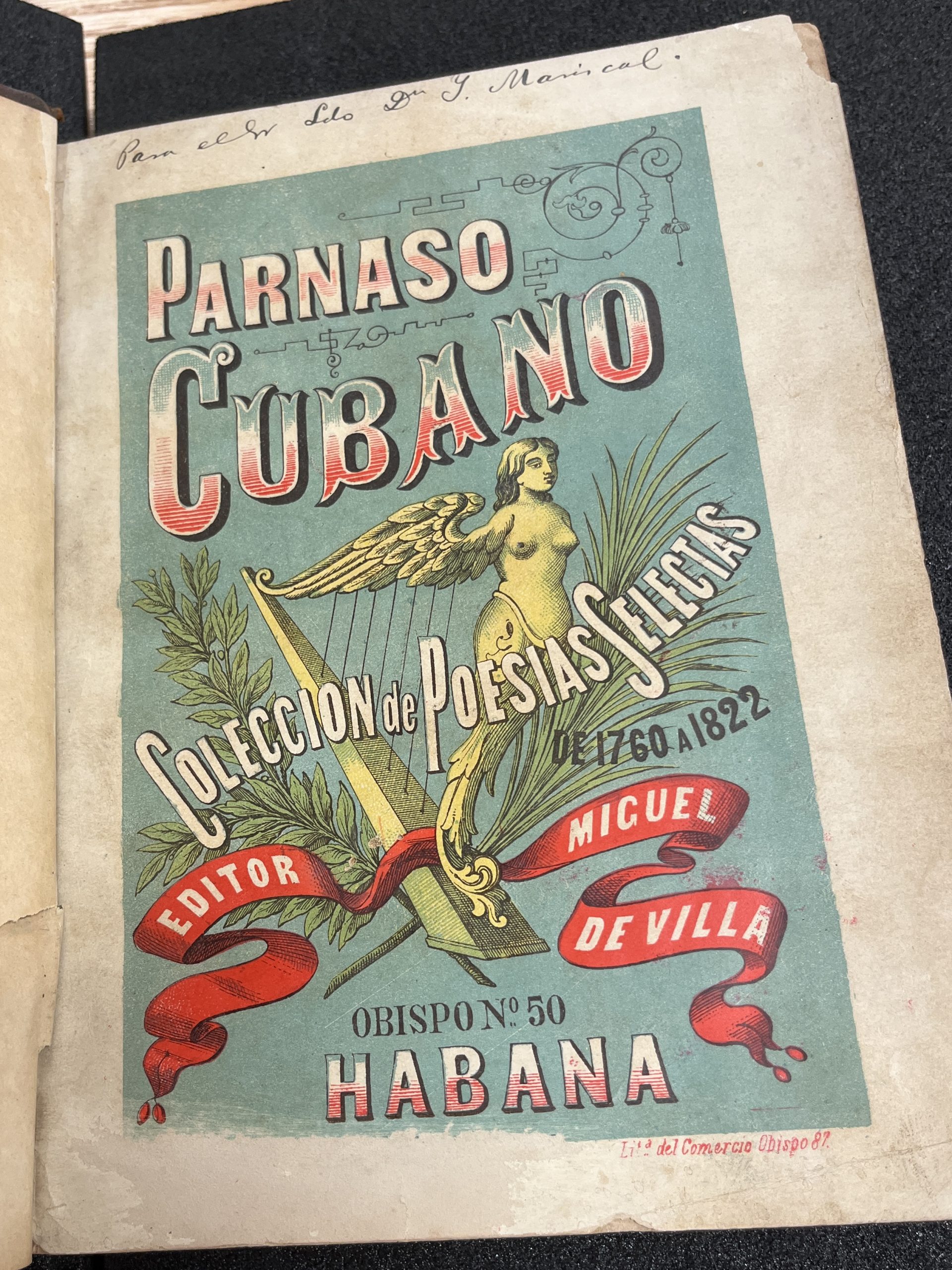
Desde Requería Á Nuestros Dias; precedida de una introducción histórico-critica sobre el desarrollo de la poesia en Cuba con biografías y notas criticas y literarias de reputados literatos; por D. Antonio Lopez Prieto
MSU Libraries call number: XX PQ7384 .L7 1881
Parnaso Cubano; A collection of selected poems by Cuban authors, preceded by a historical-critical introduction on the development of poetry in Cuba, with biographies and critical and literary notes on renowned writers by Antonio Lopez Prieto.
This poetry collection was published in 1881 and was printed by Miguel de Villa at his bookshop located on Calle Del Obispo in Habana, Cuba, pictured below. The collection was compiled by Antonio Lopez Prieto (1847-1883), who was a Spanish historian and member of the Royal Academy of History, the Geographical Society of Madrid, and honorary member of the Royal Economic Society of Havana, and provided extensive commentary, criticism, and historical background throughout.
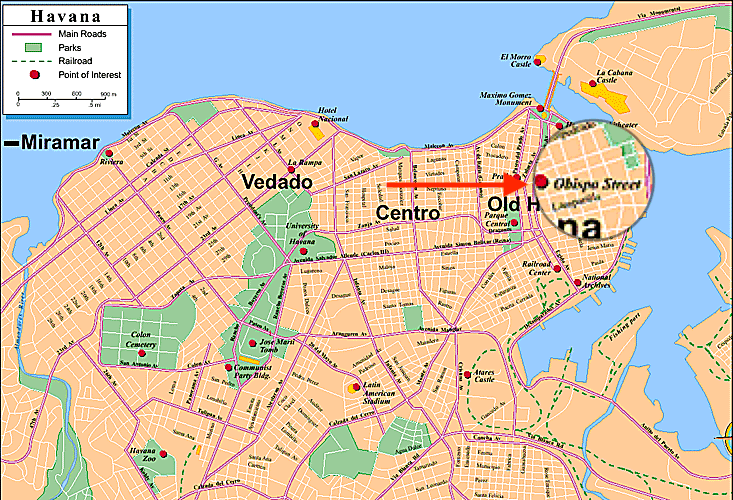
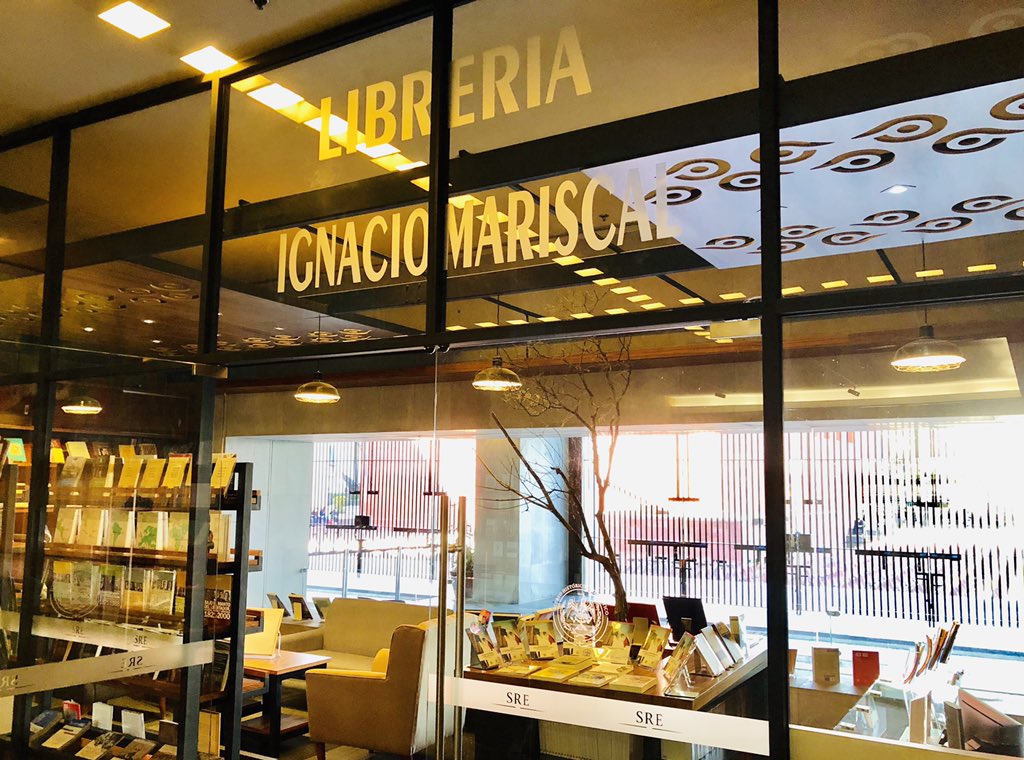
The exact bookstore (or Librería, which I use interchangeably simply because it’s how the official addresses are written and how I type them in on maps) most likely doesn’t exist anymore in the same form, as the oldest bookshop or printing press that I could find located on this street opened in 1890, a couple of years after the date of publication on this edition. Even with the possibility of a later initial acquisition of this book, the first transfer of ownership occurs before these bookstores opened.
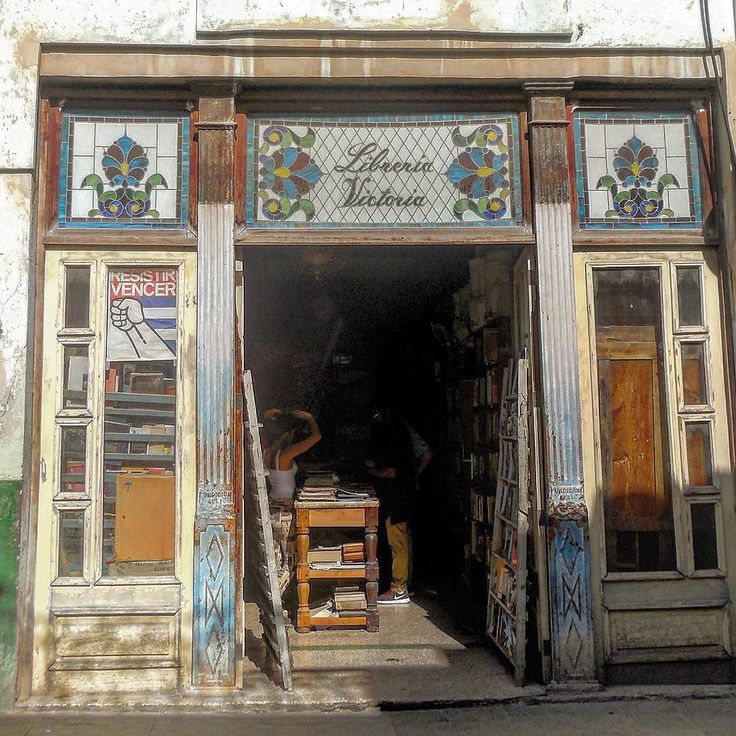
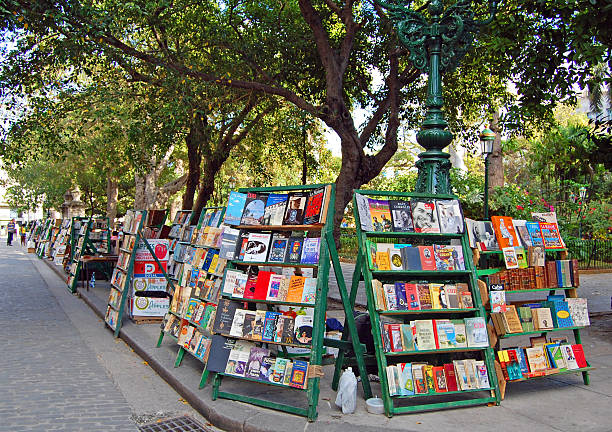
Additionally, nothing reminiscent of a bookstore is currently located at no. 50, Calle Obispo, at least to my knowledge. A couple of interesting bookstores located on this street as of today, however, are Librería en Calle Obispo, Librería Boloña, which is a publishing house that works with books primarily regarding the history of Havana, La Moderna Poesía, which could have been our best bet as they deal primarily with poetry, but unfortunately it was designed and built in 1941, more than a few years after this books publication, and Librería Victoria, pictured below.

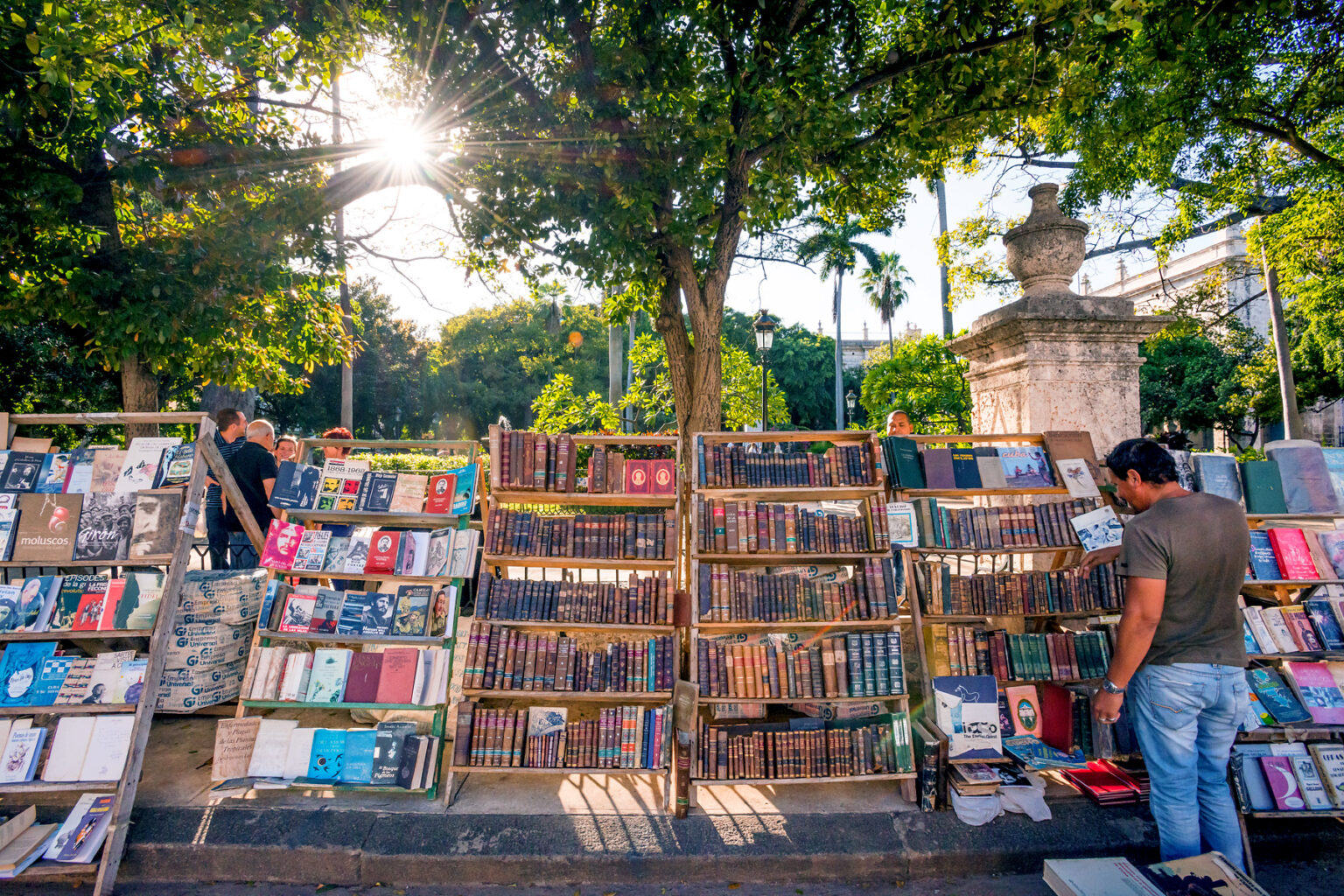
However, there is a used book market that takes place six times a week at La Plaza de Armas, where the “heirs” of the old bookstores come to sell books. With hundreds of used books from different vendors put out each day, the market draws in locals and tourists alike. Maybe a descendent of de Villa is still selling books?

Physical Condition
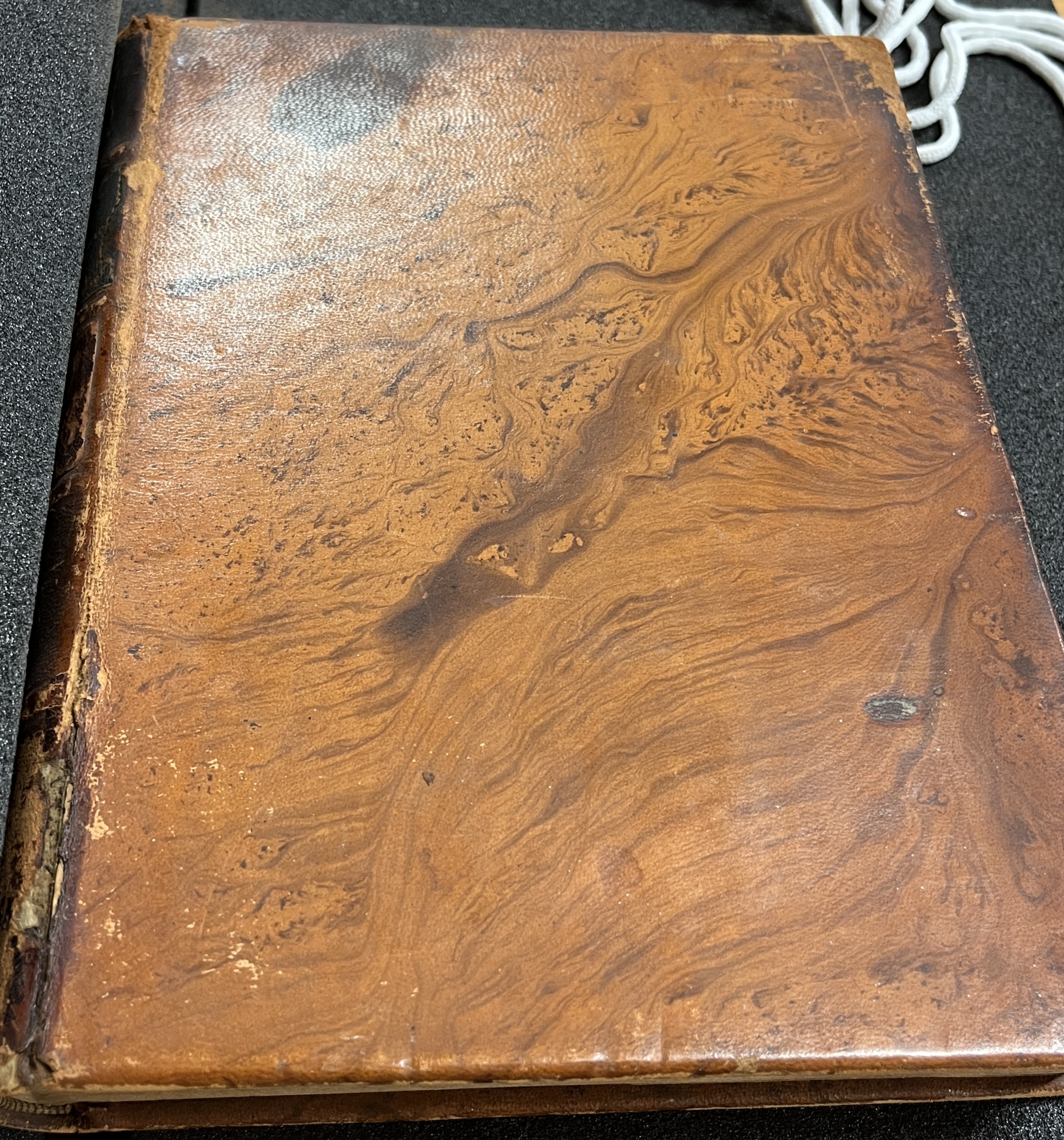
This edition of the collection is bound in marbled calf leather. The leather is in fair condition, with moderate wear and deterioration of the corners of the front board, pictured here.
The back board is in similar shape, with moderate wear and deterioration of the leather, specifically on the corners. The leather on the spine is quite worn and cracked with light gold tooling. This copy is in fair condition.
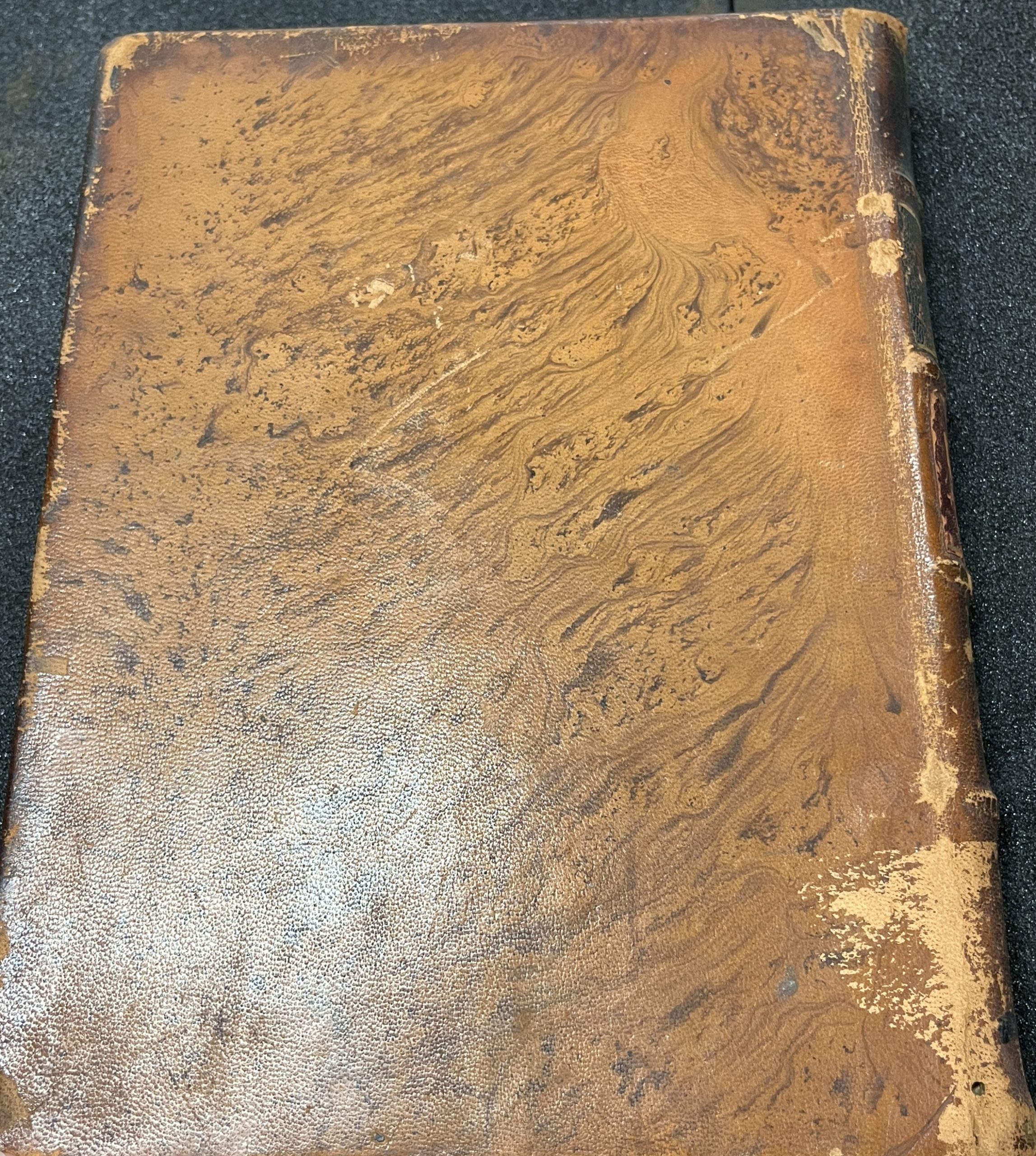
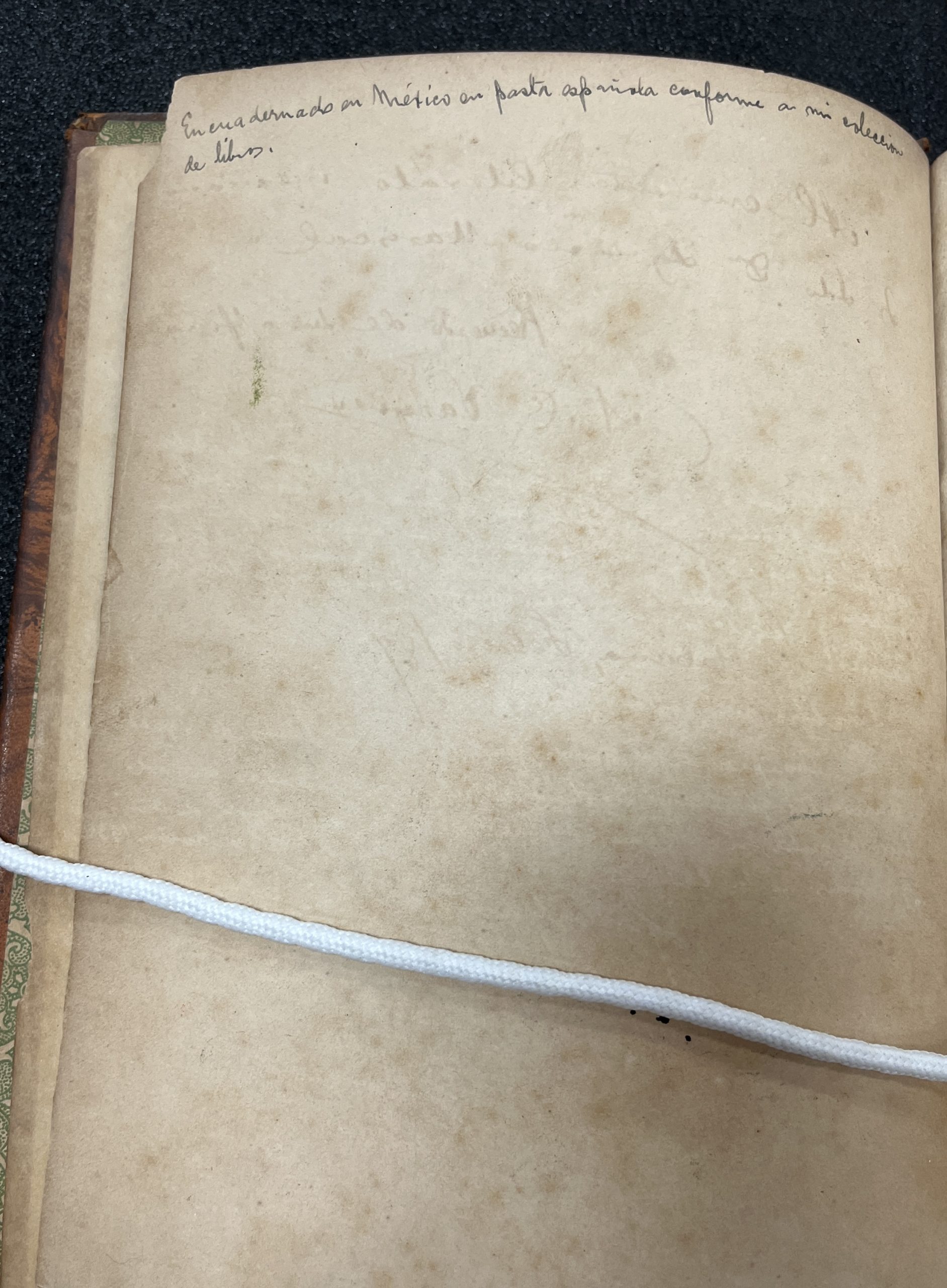
An inscription on the rear of the full-color page, pictured above, states that this book was rebound in Mexico to match a larger collection of books. Therefore, the color illustration pictured above is the original cover, and this edition was potentially rebound sometime between 1887 and 1910.
Significance
This book is a complete exploration of some of Cuba’s most renowned poets from the late 18th and early 19th centuries. Ranging across many topics and styles, supplemented by Antonio Lopez Prieto’s analysis, this book is significant in its portrayal of Cuban poetry as a literary genre, specifically as a vehicle for revolution throughout Cuba’s history. Considering this, I was not surprised by the kinds of people who owned this book.
However, as will be noted and discussed in more depth later on, the pages within this edition remained uncut until 1934, suggesting that this book, despite being in the hands of multiple important political figures, was unread.
Provenance
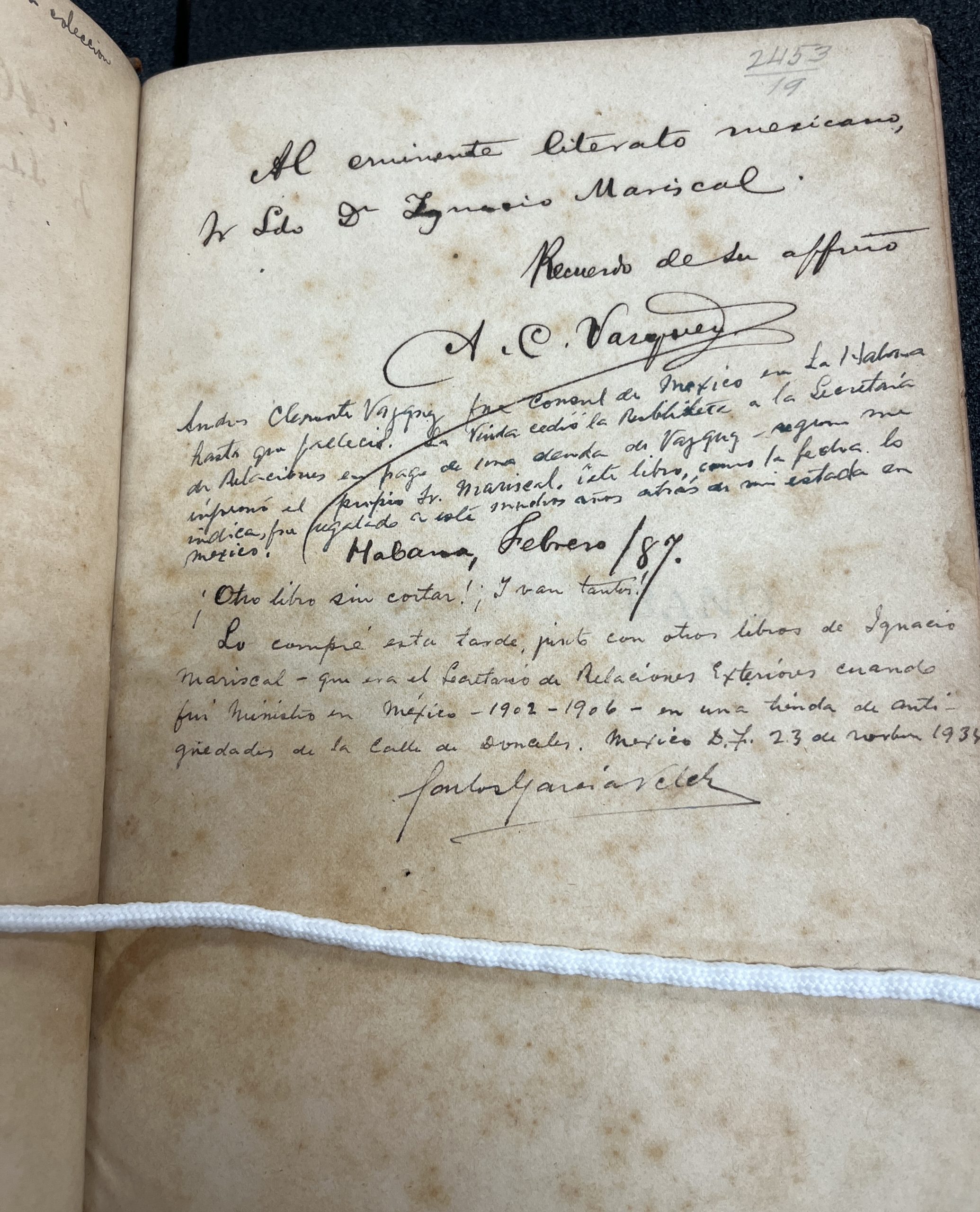
The most significant piece of provenance within this copy is the three inscriptions on the first original fly-leaf. These pieces of writing detail at least three people who had owned this book; A.C. Vázquez, Ignacio Mariscal, and Carlos García Vélez.
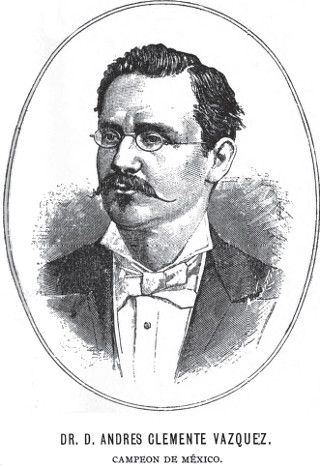
Andrés Clemente Vázquez (1844-1901)
Following its publication in 1881, I am assuming this book was purchased by A.C. Vázquez, potentially at the same bookshop where it was printed in Habana, Cuba.
Andrés Clemente Vázquez was born in Cuba on November 2nd, 1844. He attended university at Universidad de la Habana in Habana, Cuba. Following university, Vázquez became a politician and lawyer, eventually self-exiling to Mexico, rising in politics there. He was granted Mexican citizenship and eventually served as the Mexican consul-general in Cuba.
Vázquez was also a renowned chess player. He revolutionized both the game of chess as well as the literature surrounding it in Mexico and Cuba. He was the author of a number of chess books, pamphlets, periodicals, columns, and articles, as well as a monthly chess magazine in Cuba.
The only thing potentially disrupting the timeline of this acquisition is that Vázquez was living in Mexico until 1886, when he returned to Cuba full-time. However, because he was from Cuba and was very involved in the Cuban and Mexican chess scene, travel back and forth is not unreasonable as an explanation for this discrepancy.
This theory suggests that Vázquez may not have acquired this copy immediately after its publication, but rather upon a return visit to Cuba, then immediately gifted it to the next owner. The uncut pages supports this as well, as I assume one wouldn’t cut the pages of a book they weren’t planning on reading or keeping.
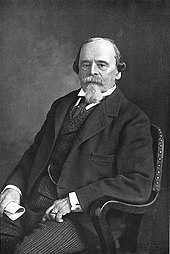
Ignacio Mariscal (1829-1910)
In 1887, this copy of Cuban poetry was gifted from Vázquez to Ignacio Mariscal.
Al eminente literato mexicano, D. Ignacio Mariscal. Recuerdo de su afecto. A.C. Vázquez
The eminent Mexican writer, Mr. Ignacio Mariscal. Remembering our friendship. A.C. Vázquez
Ignacio Mariscal (1829-1910) was a Mexican lawyer, writer, and diplomat, which may explain how the two men knew each other. Mariscal obtained his bachelor’s degree in 1849 from Oaxaca Institute of Arts and Sciences. Following his move to Mexico City in 1855, Mariscal was named advisor on the implementation of Ecclesiastical Confiscations Law under the Juarez administration (1857-1872), and in 1857, was named deputy of the 1857 Constituent Congress of Mexico, aiding in writing Mexico’s new liberal constitution. Mariscal served as the Secretary of Foreign Affairs from December 1885 until his death in April of 1910.
A professional man, I am assuming that Mariscal is responsible for the rebinding of this book. The inscription on the back of the original full-color cover states that this edition was rebound in Mexico to match existing editions of books.
The second inscription on the fly-leaf was written by Mariscal himself.
Andrés Clemente Vázquez fue cónsul de México en la Habana hasta que falleció. La viuda cedió la biblioteca a la Secretaria de Relaciones en pago de una deuda de Vázquez según me informó el propio señor Mariscal. Este libro como la fecha indica, fue regalado a esta muchos años atrás de mi estadía en México.
Andrés Clemente Vázquez was Mexico’s consul in Havana until his death. His widow gave the library to the Secretary of Foreign Relations in payment of a debt owed by Vázquez, according to what Mr. Mariscal himself informed me. This book, as the date indicated, was a gift to her many years before my stay in Mexico.
This inscription indicates that this book was part of a debt repayment by Vázquez’s widow, though that would not explain the first inscription, with Vázquez addressing the book directly to Mariscal. Nonetheless, the book changed hands in 1887.
The final inscription on this page is from 1934. I am assuming that this book was kept in the estate of Ignacio Mariscal until his death in 1910, where it may have been sold to a used bookstore, and finally sold as a collection to Carlos Garcia Vélez.
Carlos García Vélez (1867-1963)
Otro libro sin cortar! Ivan tantes! Lo compré esta tarde junto con otros libros de Ignacio Mariscal que era el secretario de Relaciones exteriores cuando fui ministro en México 1902-1906 en una tienda de actividades de la calle de Donceles, México D. F. 23 de noviembre 1934. Carlos García Vélez.
Another uncut book! And so many! I purchased this afternoon along with other books by Ignacio Mariscal who was the Secretary of Foreign Relations when I was Minister in Mexico 1902-1906 in a used bookshop on Donceles Street, Mexico D.F. November 23 1934. Carlos García Vélez.
Carlos García Vélez (1867-1963) was a Cuban dental surgeon and Army General, serving in the Cuban War of Independence (1895-1898) and the Spanish-American War (1898). Vélez was born in Cuba in 1867 to Cuban General Calixto García and Isabel Vélez Cabrera.
Vélez’s father, General Calixto García, was quite famous for his contributions as a General to three Cuban uprisings, earning him a spot on the Cuban 50 Peso bill. García’s grandfather, Calixto García de Luna e Izquierdo, fought as a royalist during the Venezuelan War of Independence (1810-1823). Vélez comes from a long line of successful soldiers and diplomats. His brother, Josto García Vélez, was the Secretary of State of Cuba.
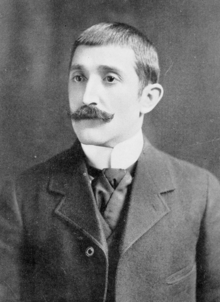
Vélez immigrated to the United States at a young age and attended dental school at The University of Pennsylvania. By 1893, Vélez was working in Madrid, Spain as a dental surgeon, and is noted in multiple medical papers for his work with anesthesia and somatology.
During the Cuban War of Independence and the Spanish-American War, Vélez served as a colonel in the Cuban Liberation Army. He was eventually promoted to brigadier general. In 1900, Vélez was named Inspector General of Prisons, serving until 1902 under Military Governor Leonard Wood, working to clear the abuses that characterized Cuban prisons. As written in his inscription, Vélez served as the Cuban minister to Mexico from 1902-1906.
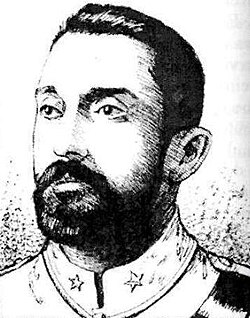
Under the José Miguel Gómez administration (1909-1913), Vélez was named the Envoy Extraordinary and Minister Plenipotentiary of the Republic of Cuba in the United States. As a Cuban minister and delegate, Vélez traveled quite a bit, representing Cuba in Argentina, France, Chile, Spain, Mexico, and the United States.
From 1923 to 1924, Vélez was the president of the Supreme Council of the Veterans’ and Patriots’ Association, leading the movement in opposition to the nonpayment of military retirement benefits by the Alfredo Zayas Y Alfonso administration (1921-1925).
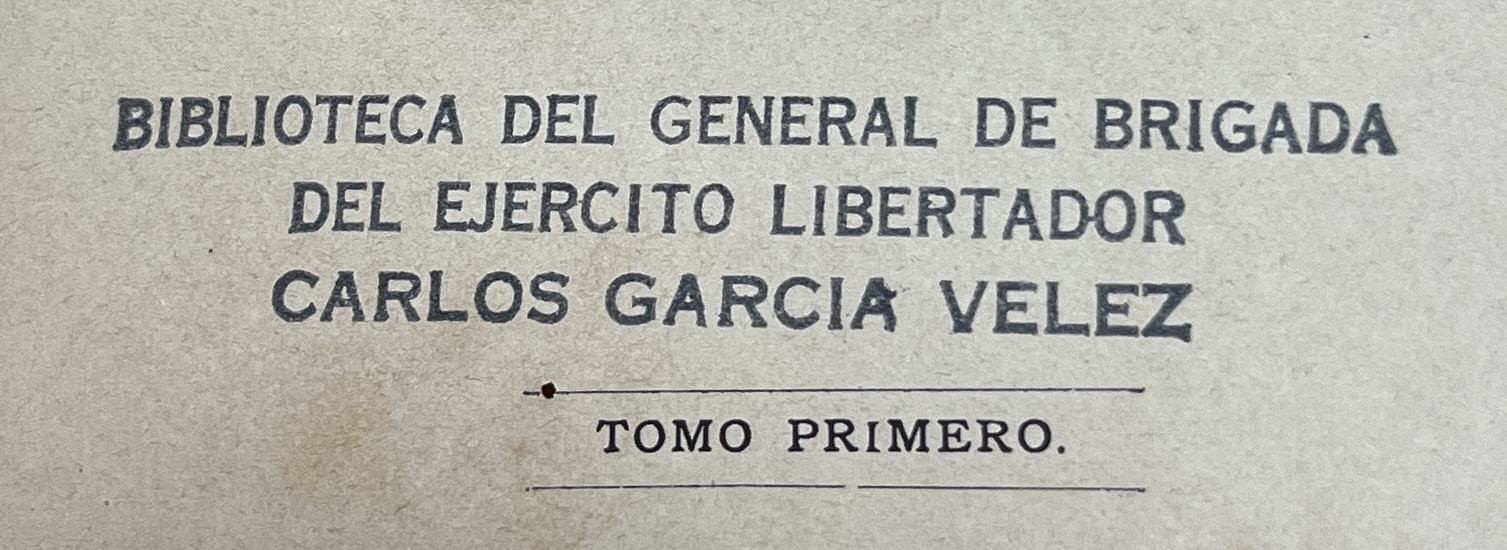
This inscription, quoted above, suggests that a collection of Mariscal’s books have ended up in a used bookstore, as there is a bookseller’s code located in the top right-hand corner , and it is implied that they may all match. However, because Vélez uses the word “uncut” when describing the book, and apparently many others, he could potentially be responsible for the rebinding of this copy, as he found it in Mexico and would therefore most likely have it rebound there as well. My understanding was that some marginal space is often cut off during a rebinding, depending on the size of the existing text block versus the size of the intended binding. Additionally, the original cover seemed to be a slightly different size than the rebound cover, but perhaps that was a lapse in my judgement.
However, the type of binding used for this rebound copy, as well as its wear and deterioration, suggest a 19th-century binding, like that of Mariscal, rather than the 20th-century binding of Vélez’s era.
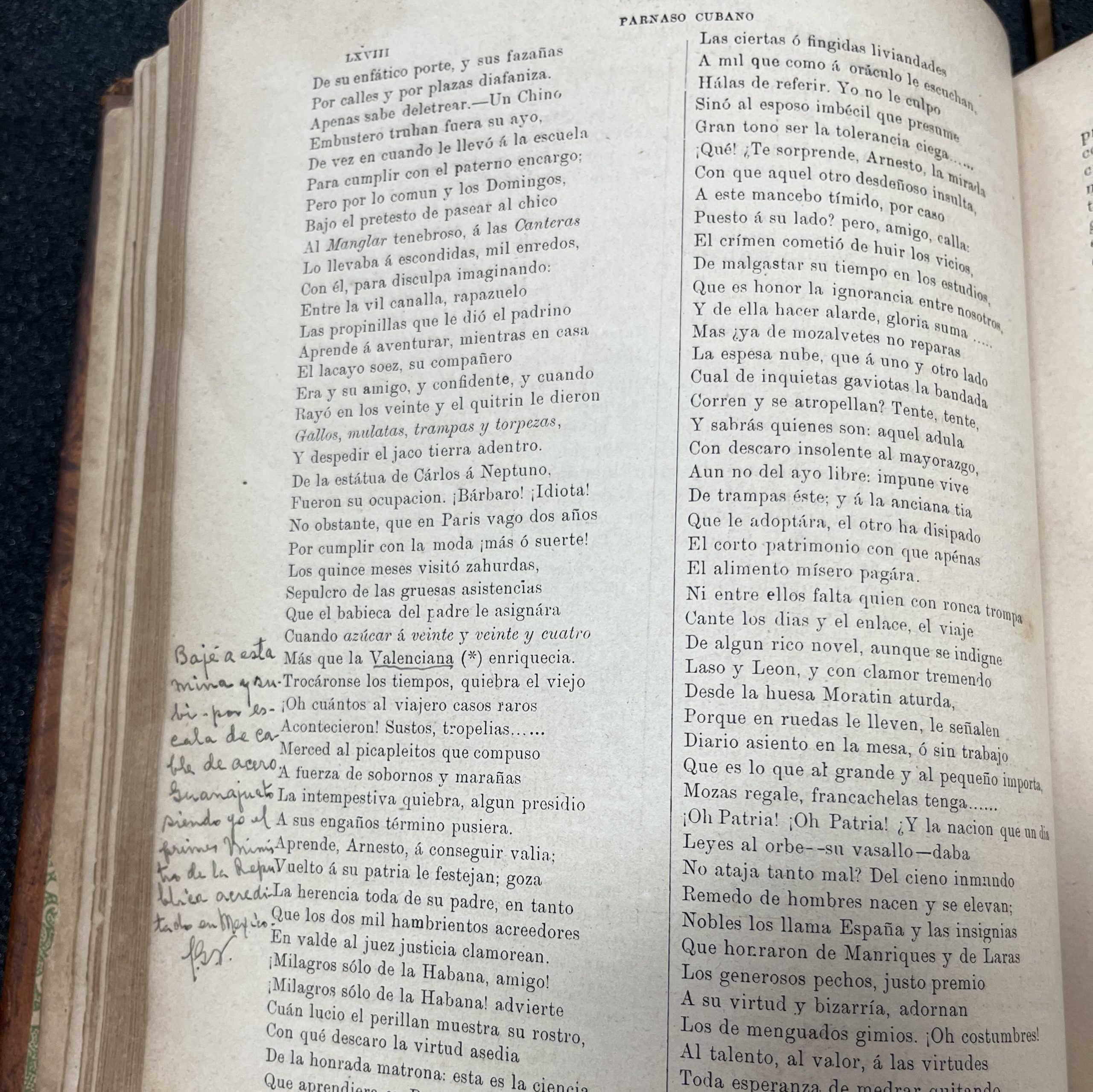
There are a number of simple marginalia markings throughout the book, and since it was uncut upon Vélez’s acquisition, I assume he read, and presumably enjoyed, the poems within this edition, marking the ones he liked and making comments on certain things that caught his eye. For example, there is a little note, pictured below, that accompanies the underlined word “la Valenciana,” which is a historic silver mine located in Guanajuato, Mexico. The inscription states that Vélez visited the mine, and yes, you do use a steel cable ladder or staircase to go down. He notes that it is one of, if not the oldest mine in Mexico.
Donceles Street, where Vélez purchased this book, is one of the oldest streets in Mexico City and is known for its many used bookshops. I do not know the exact bookshop that Vélez visited, but there are more than a dozen currently located on the street, some which have been around for hundreds of years.

Road to MSU
Carlos García Vélez passed away in Habana, Cuba in 1963 at the age of 96. Unfortunately, his name is incredibly common in Spanish speaking countries, causing a little bit of a dead end in tracing this book’s path to Michigan State University.
My first theory involves the children of Vélez. There was no mention of a wife or kids in any of the informational reading about Vélez. However, I found an obituary of another Carlos García Vélez, who I believe to be his son. Vélez II was born in 1934, which could potentially be a stretch considering his father would have been 67 at the time of his birth, but not completely out of the ordinary. Vélez II passed away in 2021, and is survived by four children. Notable names include Carlos, which is self explanatory, Calixto, which was the name of Vélez’s father, and Beatriz Garces, potentially a feminized version of García. Additionally, Vélez II passed away in Miami, Florida, a city with a large number of Cuban immigrants. Assuming this book stayed in Vélez’s possession until his death, it could have been handed down to his son, and therefore distributed with the rest of his estate in 2021 upon his death, where MSU may have purchased it.
My second theory involves the way that this book is catalogued by MSU. This book is technically cataloged within the fencing collection in MSU’s Special Collections. However, to my knowledge this book does not contain information about fencing, and could have been a mistake. Nonetheless, I followed the lead. In 1982, Charles R. Schmitter and his wife, Ruth, donated more than 600 books in thirteen languages, all related to fencing. If this book was indeed in that collection, as suggested by the MSU catalogue, it was acquired by Special Collections at that time.
Sources
https://timesmachine.nytimes.com/timesmachine/1924/03/23/101585678.html?pageNumber=17
https://www.legacy.com/us/obituaries/herald/name/carlos-garcia-velez-obituary?id=17734763
https://img.lib.msu.edu/special-collections/pdf/SPCv1no1.pdf
https://www.chess.com/article/view/cuba
https://www.wikidata.org/wiki/Q61629070
https://en.wikipedia.org/wiki/Ignacio_Mariscal
https://en.wikipedia.org/wiki/Carlos_Garc%C3%ADa_V%C3%A9lez
https://catalog.lib.msu.edu/Record/folio.in00005960063?sid=59582034#details
https://www.cubanet.org/htdocs/CNews/y08/junio08/16cronica1.html
Created by Mackenzie Westrick
Michigan State University
Spring 2025
HST 475
Professor Liam Brockey
Special thanks to Tad Boehmer of MSU Special Collections and Irma Bartolo of the MSU Department of Romance and Classical Studies.
